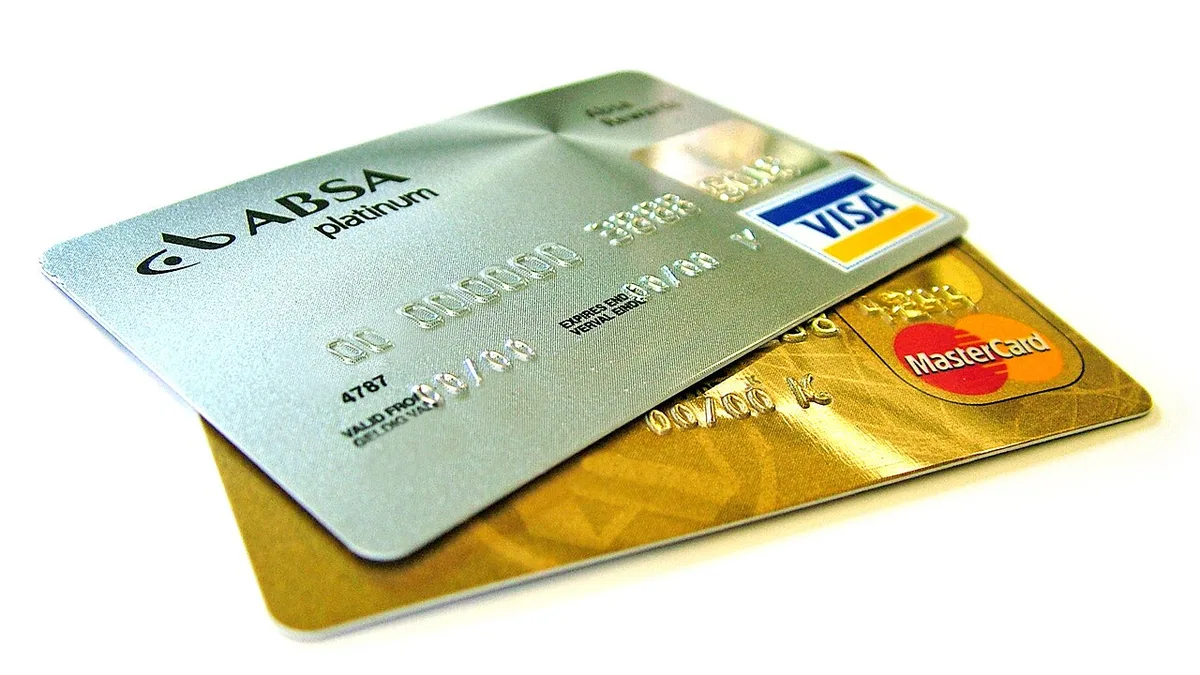
Business credit cards for small business compared for 2026: flat cash back, category bonuses and travel points on real $36,000 spending math, plus APR traps.
Arun Agarhari
Founder & Technical Systems Engineer
October 29, 2026 19 min read2.8k reads
Share
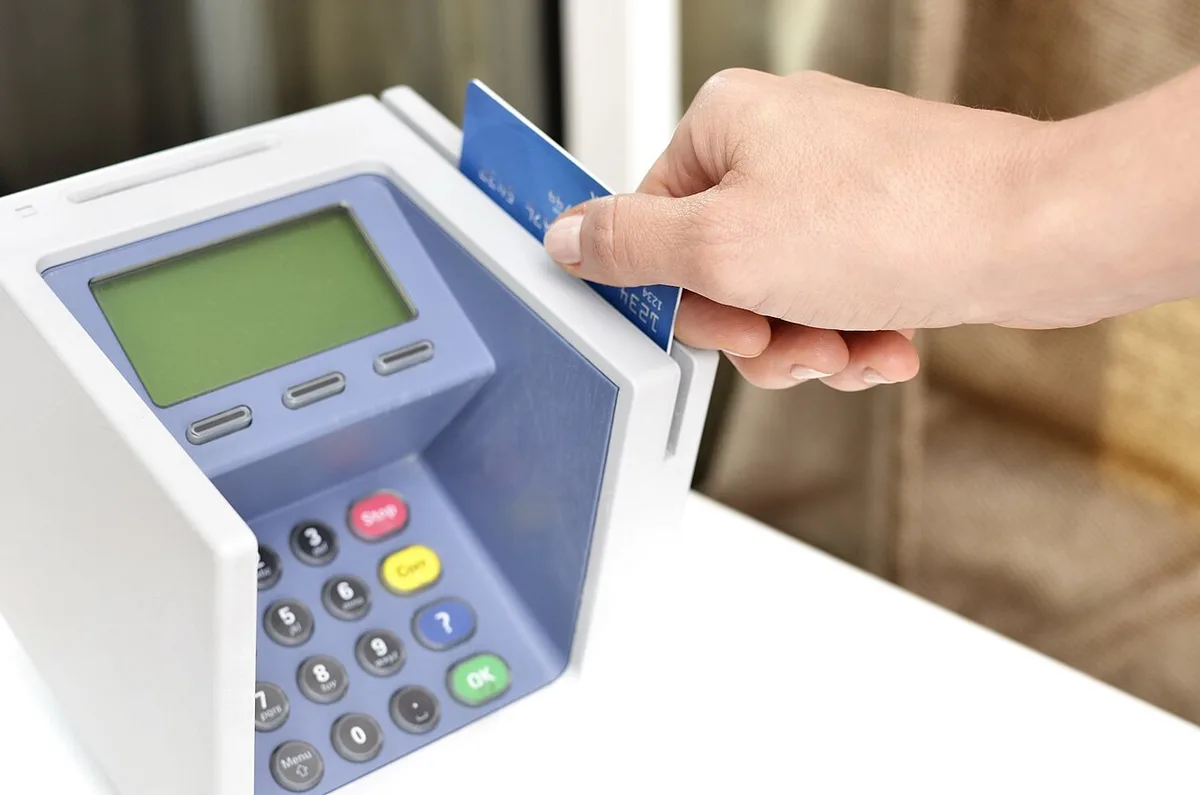
Small business owner at a shop counter holding a business credit card near a card reader, business credit cards for small business 2026
Key Takeaways
A $750 bonus feels great in month one and tells you nothing about year three.
Ten minutes with a spreadsheet will save you more money than any bonus.
Your mix will differ, and that is the point.
Our guide tosmall business loans in 2026explains what lenders actually look at, and clean card statements are part of it.
On our $36,000 mix, the math is refreshingly boring.
Key numbers at a glance
typical yearly card spending used in the math below, split across office, telecom, gas, dining, ads, travel, and everything else
a year back from Chase Ink Business Cash on that spending mix, with no annual fee, the best no-fee result in the comparison
a year back from a flat 2% card like Wells Fargo Signify on the same spending, also with no annual fee
annual fee on Chase Ink Business Preferred, worth it only if you use its 3x categories and travel partners
intro APR for 12 months on several no-fee cards, useful for a planned purchase, dangerous as a habit
is what the right no-fee card returns on 36,000 dollars of spending, from 540 dollars on a flat 1.5 percent card to 900 dollars on Ink Cash
is the October 2026 bonus on both no-fee Ink cards, against 500 dollars after 5,000 dollars on Signify, a one-time windfall, not a yearly return
American Express Business Gold, at $375 a year, earns 4 points per dollar on the top two categories up to $150,000, a strong card for ad-heavy businesses inside the Amex ecosystem
Buying $4,000 of equipment for a holiday rush with a realistic plan to pay it off in three months makes the 0% intro period save interest and smooth cash flow
is the two-card play on the $36,000 mix: Ink Cash for the 5 percent buckets plus a flat 2 percent card for everything else, against $900 on Ink Cash alone
is the Preferred card in cash terms on this mix, 62,000 points at one cent each minus the annual fee
is what a $3,000 balance left after the intro period can cost in interest, wiping out a year of cash back in a few months
: the $180 a year gap between a 1.5% card and a 2% card repeats every year, forever, and the Signify and the Amex card tie on this spending, while the Ink Unlimited trails by $180 a year, which is the price of simplicity inside the Chase ecosystem if you already use it
: American Express Blue Business Cash pays 2% on the first $50,000 of spending each year, then 1%, also with no annual fee, which is $720 on our mix, tying the flat 2% Signify card
: Capital One Spark Cash Plus, at $150 a year, pays 2% on everything and suits high-volume businesses that pay in full and want no foreign transaction fees, while the Business Platinum from American Express, at $895 a year, is a luxury travel product, not a small business starter card
Last reviewed: November 2026.
Why should you start with your spending, not the welcome bonus?
Every business credit card ad leads with the welcome bonus, and that is the worst place to start. A $750 bonus feels great in month one and tells you nothing about year three. The card you keep for five years earns its keep on its everyday rate, its fee, and whether its bonus categories match what you actually buy. So before you compare a single card, pull last year's statements and sort your spending into five buckets: office supplies and telecom, gas and dining, advertising, travel and shipping, and everything else. Ten minutes with a spreadsheet will save you more money than any bonus.
a card issued in your business name that separates business spending from personal spending, builds a business credit profile for future loans, and gives you employee cards with spending limits and controls.
Here is the spending mix I will use for all the math in this guide, because it looks like a real small business: $12,000 on office supplies plus internet and phone, $6,000 on gas and dining, $6,000 on advertising, travel, and shipping, and $12,000 on everything else, for $36,000 total. Your mix will differ, and that is the point. Run your own numbers through the same method and the right card usually picks itself.
One more thing before the cards: a business card is not just a rewards tool. It separates business spending from personal spending, which makes bookkeeping and taxes dramatically easier, and it builds a business credit profile that helps when you later apply for a loan. If you are still putting business expenses on a personal card, fixing that separation is worth more than any cash back rate. Our guide to /blog/small-business-loan-guide explains what lenders actually look at, and clean card statements are part of it.
Which flat-rate cash back cards win for a small business?
If you want one card and no homework, get a flat cash back card. Among business credit cards for small business, these are the easiest to live with. You earn the same rate on everything, there are no categories to track, no points to value, and no annual fee to justify. On our $36,000 mix, the math is refreshingly boring.
Wells Fargo Signify Business Cash pays an unlimited 2% back, with no annual fee, which is $720 a year on $36,000. Chase Ink Business Unlimited pays 1.5% everywhere, also with no annual fee, which is $540. American Express Blue Business Cash pays 2% on the first $50,000 of spending each year, then 1%, also with no annual fee, which is $720 on our mix. The Signify and the Amex card tie on this spending, and the Ink Unlimited trails by $180 a year, which is the price of simplicity inside the Chase ecosystem if you already use it.
Welcome bonuses still matter in year one, just do not let them decide. Recent offers as of October 2026 included $750 after $6,000 of spending in three months on both no-fee Ink cards, and $500 after $5,000 on Signify. A https://www.creditcards.com/business/?a_aid=1201&a_cid=1030 shows the same leaders, with the same fees and bonus thresholds. That $750 is a nice windfall, but it is a one-time payment. The $180 a year gap between a 1.5% card and a 2% card repeats every year, forever. Judge the card you will hold for five years on its ongoing rate, and treat the bonus as a thank you, not a reason.
Who should stop here? Most businesses under $50,000 of yearly card spending, anyone who hates tracking categories, and any owner who knows they will not redeem points well. A flat 2% card with no fee is a genuinely good financial product, and "good enough, automatically" beats "perfect, if I remember" for most busy owners.
When do business credit card category bonuses beat flat rates?
Category cards pay more in specific buckets and less everywhere else. They win when your spending concentrates in their buckets, and they lose when it does not. On our $36,000 mix, Chase Ink Business Cash is the star: 5% on office supplies plus internet, cable, and phone service up to $25,000 a year combined, 2% on gas and restaurants up to $25,000, and 1% on everything else. That works out to $600 on the $12,000 office and telecom bucket, $120 on gas and dining, and $180 on the remaining $18,000, for $900 total, with no annual fee. That beats the flat 2% cards by $180 a year on this mix.
But change the mix and the winner changes, and that is the lesson. A business that spends mostly on inventory from suppliers nobody categorizes as a bonus bucket earns just 1% on most of its spending with Ink Cash, and the flat 2% card wins by a wide margin. Before you pick a category card, check your top three buckets against its bonus list, and be honest about how much of your spending actually lands there. If less than half your spending earns a bonus rate, take the flat card.
There is also a two-card play that many owners use once spending grows: Ink Cash for the 5% buckets, plus a flat 2% card for everything else. On our mix, that combination earns $600 on the office bucket, $120 on gas and dining at 2%, and $360 on the rest at 2%, for $1,080, versus $900 on Ink Cash alone. The catch is complexity. Two cards means two statements, two due dates, and two logins. If you are organized, it is free money. If you are not, it is a missed payment waiting to happen. Start with one card, add the second only when the first feels automatic.
When are travel and points cards worth it?
Points cards look generous until you price the points honestly. Chase Ink Business Preferred costs $95 a year and earns 3 points per dollar on travel, shipping, internet, cable, phone, and advertising up to $150,000 combined, plus 1 point elsewhere. On our mix, that is 3 points on about $13,000 of bonus spending and 1 point on the other $23,000, for 62,000 points. An https://treasurflow.com/best-business-credit-cards-2026/ reaches the same conclusion: category fit beats the flat rate on this mix, but the flat 2% cards win when spending shifts to untracked categories. At a baseline cash value of one cent per point, that is $620, minus the $95 fee, for about $525 in cash terms. That trails both no-fee cash back cards on pure cash value.
So why would anyone pick it? Because points transferred to airline and hotel partners are often worth more than one cent each, sometimes 1.5 to 2 cents, if you know how to use them and you actually travel. A business owner who flies four times a year and books through transfer partners can beat the cash back cards comfortably. A business owner who never travels cannot, and will do worse, because points sitting unused are worth nothing and the fee still arrives every year.
The same logic applies further up the ladder. American Express Business Gold, at $375 a year, earns 4 points per dollar on your top two categories up to $150,000, and it is a strong card for ad-heavy businesses that live inside the Amex ecosystem. Capital One Spark Cash Plus, at $150 a year, pays 2% on everything and suits high-volume businesses that pay in full and want no foreign transaction fees. The Business Platinum from American Express, at $895 a year, is a luxury travel product, not a small business starter card, and no honest guide should recommend it to a shop doing $36,000 of card spending. Match the card to the travel you actually do, not the travel you imagine doing.
How is an intro APR both a useful tool and an expensive trap?
Several no-fee business cards offer 0% intro APR for 12 months on purchases, and that can be genuinely useful. If you need to buy $4,000 of equipment for a holiday rush and you have a realistic plan to pay it off in three months, the intro period saves you interest and smooths cash flow. That is a tool, used on purpose, for a planned purchase.
November timing matters here. Holiday inventory bought on the card in November often comes back as returns in January, and those refunds land on the same card, so keep the card open and watch the statement until the return window closes. Our /blog/holiday-return-policy-small-shops-2026 explains how to set that window and handle gift receipts, so the refunds do not surprise your cash flow.
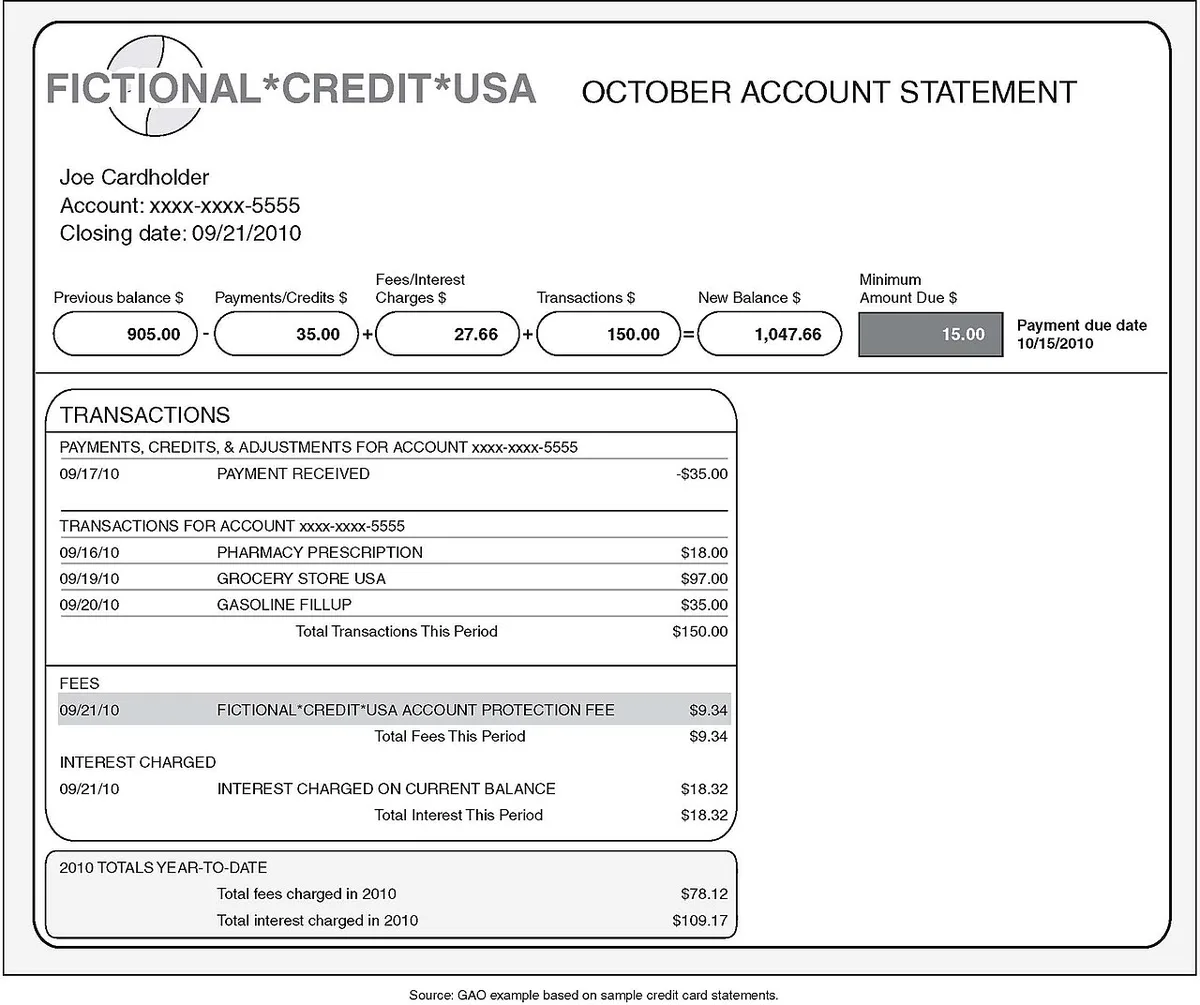
The trap is what happens in month 13. The rate jumps to a regular business APR, often above 20%, and any balance left over starts costing real money fast. A $3,000 balance left after the intro period can cost $50 or more a month in interest, which wipes out a year of cash back in a few months. Worse, carrying a balance month after month is the single most common way a rewards card turns from an asset into a liability. The rule I give every owner is simple: if you cannot pay the statement in full this month, the rewards do not matter, because the interest costs more than the rewards pay. Use the intro period for a plan, never as permission to spend money you do not have.
One more caution, and it is important. Most business cards require a personal guarantee, which means your personal credit is on the line if the business cannot pay. That is normal, and it is why building your personal credit matters even for a business card. Our guide on /blog/build-credit-score-fast covers the steps that move the needle, and a score around 740 or higher opens the strongest card offers. Newer businesses and sole proprietors routinely get approved for no-fee cards, so do not assume you need years of history to start.
How do employee cards help with expense control?
The moment a second person spends on your account, business credit cards for small business stop being a rewards decision and become a control decision. Most business cards let you issue employee cards at no extra annual cost, set individual spending limits, and block categories like cash advances. Use all three. Give each employee a limit that matches their actual job, not a copy of your limit, and review the statements weekly for the first month, not quarterly. Card security changed in late October too: some banks now block AI agents that log in with your password, so keep logins human-only and use read-only access where you can. Our /blog/banks-blocking-ai-agents-2026 explains what changed and how to stay safe.
The real win is not fraud prevention, though that matters. It is bookkeeping. When every purchase lands on a card statement with the employee's name attached, your accountant stops asking what a charge was for, and your tax prep gets cheaper. Pair the card with a simple rule: no receipt, no reimbursement for cash spending, and card spending over a threshold, say $200, needs a note in the expense tool the same week. That one habit, enforced kindly and consistently, saves more arguments than any software.
For startups and businesses without a long credit history, Brex and Ramp offer a different model: cards that qualify on bank balance and revenue instead of a personal guarantee, with strong built-in expense controls. Capital One completed its acquisition of Brex in April 2026, so expect that corner of the market to keep changing. If your business is young and cash flow is strong, these are worth a look alongside the traditional cards, especially for the controls. Just compare their rewards honestly against the flat 2% cards, because controls do not pay for themselves if the rewards lag badly.
Card family
Typical return
Example card
Best for
Flat cash back
2% on everything
Wells Fargo Signify, no annual fee
Most small businesses
Category
5% on office and telecom spending
Chase Ink Business Cash, no annual fee
Spending concentrated in bonus categories
Travel points
Points, best used with travel partners
Chase Ink Business Preferred
Businesses that actually travel
Two-card combo
5% on categories plus 2% on everything else
Category card plus flat card
After the first card feels automatic
How do you pick your card in 30 minutes?
Here is the whole decision, as a checklist you can finish in half an hour. First, add up last year's card spending by bucket, ten minutes. Second, if you travel at least three times a year and enjoy booking with points, compare Ink Preferred and Amex Business Gold on your bonus spending, and pick the one whose categories match. Third, if you do not travel, check whether at least half your spending lands in Ink Cash's 5% and 2% buckets. If yes, take Ink Cash. If no, take a flat 2% card like Signify or Amex Blue Business Cash.
Fourth, check the fee math out loud: annual fee divided by 12, versus the extra rewards per month. If the fee is not clearly beaten by the extra rewards, take the no-fee card. Fifth, set up autopay for the full statement balance before the card arrives, and set a calendar reminder for the welcome bonus deadline, because missing a bonus by $200 of spending is a needless annoyance. Sixth, apply for one card, not three at once, because multiple applications in a short window can ding your credit and complicate the decision for no benefit.
And a final word about timing. If you are heading into the holiday season, a new card before the rush is smart, because holiday spending is exactly when rewards pile up and when clean expense tracking matters most. Our /blog/small-business-saturday-2026-prep-checklist covers the rest of the holiday plan, from offers to stock. Get the card sorted this week, and the holiday spending works for you instead of just passing through you.
Frequently asked questions
FAQ
QWhat is the best business credit card for a small business in 2026?
There is no single best card, because it depends on your spending. For most small businesses, a no-fee flat 2% card like Wells Fargo Signify or a no-fee category card like Chase Ink Business Cash wins. Travel-heavy businesses do better with Chase Ink Business Preferred, but only if they actually use its points with travel partners.
QDo business credit cards require a personal guarantee?
Most traditional business cards do, which means your personal credit matters for approval and you are personally liable if the business cannot pay. Brex and Ramp are exceptions that qualify some businesses on bank balance and revenue instead. A personal credit score around 740 or higher opens the strongest offers.
QIs a business credit card better than a personal card for business spending?
Yes, for three reasons: it separates business and personal spending for bookkeeping and taxes, it builds a business credit profile for future loans, and it gives you employee cards with spending limits and controls that personal cards do not offer.
QWhat happens when a 0% intro APR period ends?
The rate jumps to the card's regular APR, often above 20%, and any remaining balance starts accruing interest immediately. Plan to pay off intro-period purchases before the period ends, and treat the intro rate as a tool for a planned purchase, not as extra spending room.
QShould I get two business credit cards?
Only after the first card feels automatic. A common two-card setup pairs a 5% category card for office and telecom spending with a flat 2% card for everything else, which can add a few hundred dollars a year on typical spending. The trade-off is two statements and two due dates, so do not add the second card until the first is effortless.
Filed under#business#business#credit#cards
Prefer plain text? Read this article as Markdown — AI assistants and readers can quote it freely with a link back here.
The comments section…
Disagree loudly or agree loudly. Both help the next reader.
Manus raised $500M, Disrupt 2026 crowned a biotech winner, Ramp bet big on AI spend. October 2026 funding trends broken down, with lessons for founders.
58% of small businesses now use AI agents. What they automate first, what it costs, and the 7 jobs to hand off first in 2026. Practical playbook, no hype.