Short Form Video Ads That Convert: The 2026 Creative Playbook
Short form video ads that convert: hooks, UGC-style creative, scripting frameworks, testing, whitelisting, and real 2026 costs. The full creative playbook.
Arun Agarhari
Founder & Technical Systems Engineer
October 19, 2026 16 min read20.7k reads
Share
Short-Form Video Ads That Convert: The 2026 Creative Playbook
Key Takeaways
We'd paid a production house $4,800 for a slick 30-second brand film: drone shots, a voiceover, color grading, the works.
We cut it down for TikTok, Reels, and Shorts, set a $500 daily budget, and waited.
Three days in, the thumb-stop rate was 14%.
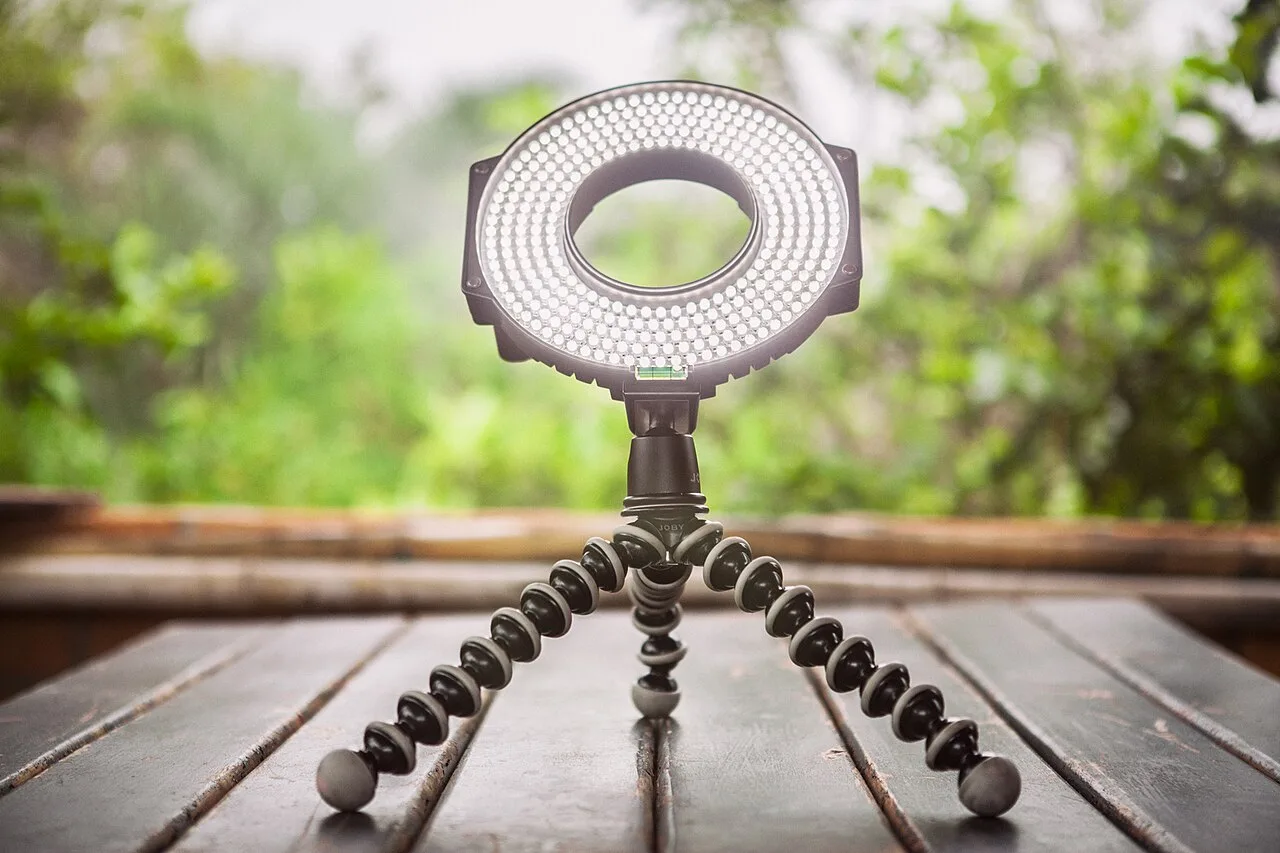
The same week, on a whim, I filmed a 19-second clip on my phone: me, a ring light, our product in my hand, and one sentence: "This fixed the thing that annoyed me for two years.
Key numbers at a glance
thumb-stop rate on a 19-second phone clip, against 14% for a $4,800 studio brand film.
is all your hook gets before a viewer swipes past.
of UGC freelancers report rising demand, per the Fiverr 2026 Holiday Marketing Index.
per UGC-style video, versus $1,500-$10,000+ for polished studio creative.
per video, one benefit, one call to action; five benefits means five videos.
is what the polished $4,800 brand film managed on TikTok, Reels, and Shorts, against 41% for a raw phone video from the same shoot.
is the kill rule threshold: if a creative has not hit its target thumb-stop rate by then, pause it before it eats the test budget.
is what the guide's 19-second phone clip delivered against the polished brand film, on top of the 41 percent thumb-stop rate against 14 percent.
in the guide's 3 by 3 method: film each hook as a standalone 3-second clip, film the body once, and stitch them in editing.
is what a batch of five videos from one creator usually costs, and bundled deals run 30 to 40 percent cheaper than buying content and rights separately
is the entire studio, on top of a phone you already own
is the realistic starter test: 9 creatives from the 3 by 3 method, tested over two weeks
is how long a winning video typically lasts before creative fatigue sets in, which is why the guide plans 8 to 12 fresh creatives a month
is the micro-creator range that often outperforms big names for direct response, because their audiences trust them more and their rates are a fraction of the cost
Last reviewed: November 2026.
Last year we ran a test that stung. We'd paid a production house $4,800 for a slick 30-second brand film: drone shots, a voiceover, color grading, the works. We cut it down for TikTok, Reels, and Shorts, set a $500 daily budget, and waited. Three days in, the thumb-stop rate was 14%. People were swiping past our beautiful ad like it was a loading screen.
The same week, on a whim, I filmed a 19-second clip on my phone: me, a ring light, our product in my hand, and one sentence: "This fixed the thing that annoyed me for two years." No script beyond that line. That ugly little video cost us zero dollars to make. Its thumb-stop rate was 41%, and it drove three times the purchases at a third of the cost per click.
That gap is the whole game in 2026. Short-form video ads don't reward production value. They reward the first two seconds, a human face, and a message that sounds like a person instead of a brand. This playbook is everything we learned running short-form creative since that humbling week: the hooks, the scripts, the formats, the budgets, and the mistakes to skip.
Why Short-Form Won (And Your Brand Film Lost)
TikTok, Instagram Reels, and YouTube Shorts trained a generation of viewers to judge a video in a blink. The feed never stops moving, so every video competes with the one above and below it. A traditional ad built for TV or YouTube pre-roll: slow logo reveal, cinematic buildup, payoff at second 25, never gets the chance to breathe. The viewer is gone by second three.
Short-form creative won because it respects how people actually scroll. It leads with the payoff, keeps the camera close, and talks like a friend, not an announcer. Polished brand films feel like interruptions. Native-feeling clips feel like content, so the brain doesn't reach for the swipe reflex quite as fast.
There's a second reason the format keeps winning: volume. A brand film takes weeks and thousands of dollars, so you get one shot. A short-form ad takes an afternoon and a phone, so you can make twenty shots. In paid social, the advertiser with more good-enough creative almost always beats the advertiser with one perfect creative. Platforms reward fresh assets, audiences fatigue fast, and variety is the only defense.
The 2-Second Hook: Short Form Video Ad Structure That Holds Attention
Every winning short-form ad follows the same skeleton: hook, tension, payoff, call to action. The hook owns the first two seconds and decides everything. If the hook fails, nothing else matters, because nobody is watching.
The first frame does the heavy lifting
Viewers read the first frame before they hear a word. Product in hand, held toward the camera, beats a talking head every time. Show the thing, the result, or the problem: a stained shirt, a tangled cable, a messy desk, before you say hello. The eye needs a reason to stay before the ear gets one.
The first line makes a promise
Open with a line that promises a payoff: "Stop doing X," "I wasted $200 on this so you don't have to," "Three things nobody tells you about Y." The formula is simple: claim + curiosity gap. Avoid throat-clearing like "Hey guys, today I want to talk about..." because that's a permission slip to swipe.
Keep one idea per video
The most common creative mistake we see is the kitchen-sink ad: five benefits, two offers, and a brand story in 30 seconds. Pick one idea, one benefit, one action. If your product does five things, that's five videos, not one. Short-form punishes breadth and rewards a single sharp point.
UGC-Style vs. Polished Creative: What Actually Converts
UGC-style creative, shot on a phone, lit by a window, talked to the camera like a selfie, consistently outperforms studio creative for direct response. It borrows the visual language of organic posts, so it slips past the "this is an ad" filter. Polished creative still has a place for luxury, enterprise, and brand campaigns where perception is the product, but for selling things, raw beats glossy.
Demand for this style keeps climbing. According to the https://www.globenewswire.com, 69% of UGC freelancers report rising holiday demand. Brands are buying creator-style content faster than ever, and the holiday season is when that demand peaks.
UGC-Style Creative
Polished Studio Creative
Typical cost
$50-$300 per video
$1,500-$10,000+ per video
Turnaround
2-5 days
2-6 weeks
Best for
Direct response, DTC, apps, info products
Luxury, enterprise, brand awareness
Feels like
A recommendation from a friend
A commercial break
Fatigue rate
High: needs constant refresh
Lower: runs longer unchanged
Testing speed
Fast: 10+ variants a week
Slow: reshoots are expensive
The smart move for most small brands is a hybrid: shoot 80% of your volume as UGC-style with creators or your own team, and keep one polished hero asset for your profile, website, and retargeting audiences who already trust you. Match the creative to the temperature of the audience. Cold traffic wants a friend. Warm traffic will sit still for the brand film.
Scripting Frameworks That Scale
You don't need to reinvent the script every time. Three frameworks cover nearly every winning short-form ad we've run. Pick one per video, fill in your product, and shoot.
Problem → Agitate → Solve
Open on the pain ("My back hurt every morning"), twist the knife for five seconds ("I tried the expensive pillow, the stretches, everything"), then reveal the product as the fix. This is the workhorse framework for anything that solves a real frustration. Film the "before" in bad lighting and the "after" in good lighting. The contrast sells the transformation.
Before → After → Bridge
Show the end state first: the organized closet, the finished meal, the clean report. Then flash back to the messy before. Then the bridge, your product, connects the two. Leading with the after-state is a cheat code for hooks because the viewer instantly wants what they're seeing.
The demo loop
No story, just the product doing its thing on camera, with a voiceover explaining what's happening. Unboxings, pour shots, app screen recordings, side-by-side comparisons. Demo loops are the easiest creative to produce at scale. Hand a creator the product and a shot list, and you'll have five variants by Friday.
Write scripts as spoken word, not prose. Read every line out loud before filming. If you stumble reading it, the creator will stumble saying it, and the viewer will feel the awkwardness. Short sentences. Contractions. The way people actually talk.
Design for Sound Off: Captions and Subtitles
A huge share of short-form viewing happens with the sound off: on the train, in bed next to a sleeping partner, in a meeting that should have been an email. If your ad only works with audio, you're paying for impressions that can't hear you.
Burn captions into the video itself. Don't rely on the platform's auto-caption toggle, which many viewers have off and which you can't control. Big, high-contrast text in the safe zone (away from the platform's UI overlays on the right edge and bottom). Two to four words per caption card, timed to the speech, with key words emphasized in a different color or size.
Captions do double duty: they make sound-off viewing work, and they increase retention even with sound on. Moving text gives the eye something to track, which keeps thumbs still. The best-performing ads we've tested treat captions as a design element: punchy, kinetic, part of the creative, not an accessibility afterthought.
Testing Short Form Video Ad Variations Without Burning Budget
Creative testing is where most small advertisers quietly waste money. They launch one video, watch it flop, and conclude "TikTok ads don't work for us." The fix isn't a bigger budget. It's a testing system that finds winners cheaply.
The 3 × 3 method
For every product, shoot 3 hooks × 3 bodies. That's 9 videos from one shoot day if you plan the shot list right: film each hook as a standalone 3-second clip, film the body once, and stitch them in editing. You now have nine distinct ads for the cost of about four.
Kill rules, decided in advance
Set your kill rules before you spend a dollar: if a creative hasn't hit your target thumb-stop rate after $30-$50 of spend, pause it. If cost per click is 2× your target after $50, pause it. Write the rules down. The point is to remove emotion. You will fall in love with a video the data says is dead, and the rules are there to overrule you.
Test one variable at a time
When you find a winner, iterate on it instead of starting over. Same video, new hook. Same hook, new first frame. Same creative, new caption style. This is how one good concept becomes a family of ten ads that carry an account for months. Most advertisers quit at one winner. The money is in the iterations.
Whitelisting: Turn Creator Content Into Your Best Ads
Whitelisting means running paid ads through a creator's account instead of your brand's. The ad shows the creator's handle, their profile picture, and their organic voice, with your budget behind it. In our testing, whitelisted ads routinely beat the same creative posted from the brand account, because the format borrows the creator's trust with their audience.
The setup is straightforward on TikTok (via TikTok's ad authorization flow) and on Meta (via branded content permissions on Instagram). The creator approves your ad account to promote their post, you set the targeting and budget, and the ad runs under their name. Most creators charge a flat whitelisting fee on top of the content fee, typically $100-$500 per month per asset, which is cheap compared to the performance lift.
Start whitelisting with creators whose organic posts about your product already performed well. That's your proof of concept: the audience already voted. Then negotiate a package: three videos plus 60 days of whitelisting rights, instead of buying content and rights separately. Bundled deals run 30-40% cheaper in our experience, and creators prefer one clean agreement.
Budgets and What Good Creative Actually Costs
Here's what short-form creative really costs in 2026, based on what we've paid and what the market charges. A single UGC-style video from a solid creator runs $50-$300 depending on their following and usage rights. A batch of five from one creator usually lands around $400-$1,000. Editing (captions, cuts, hooks stitched) adds $20-$50 per video if you outsource it.
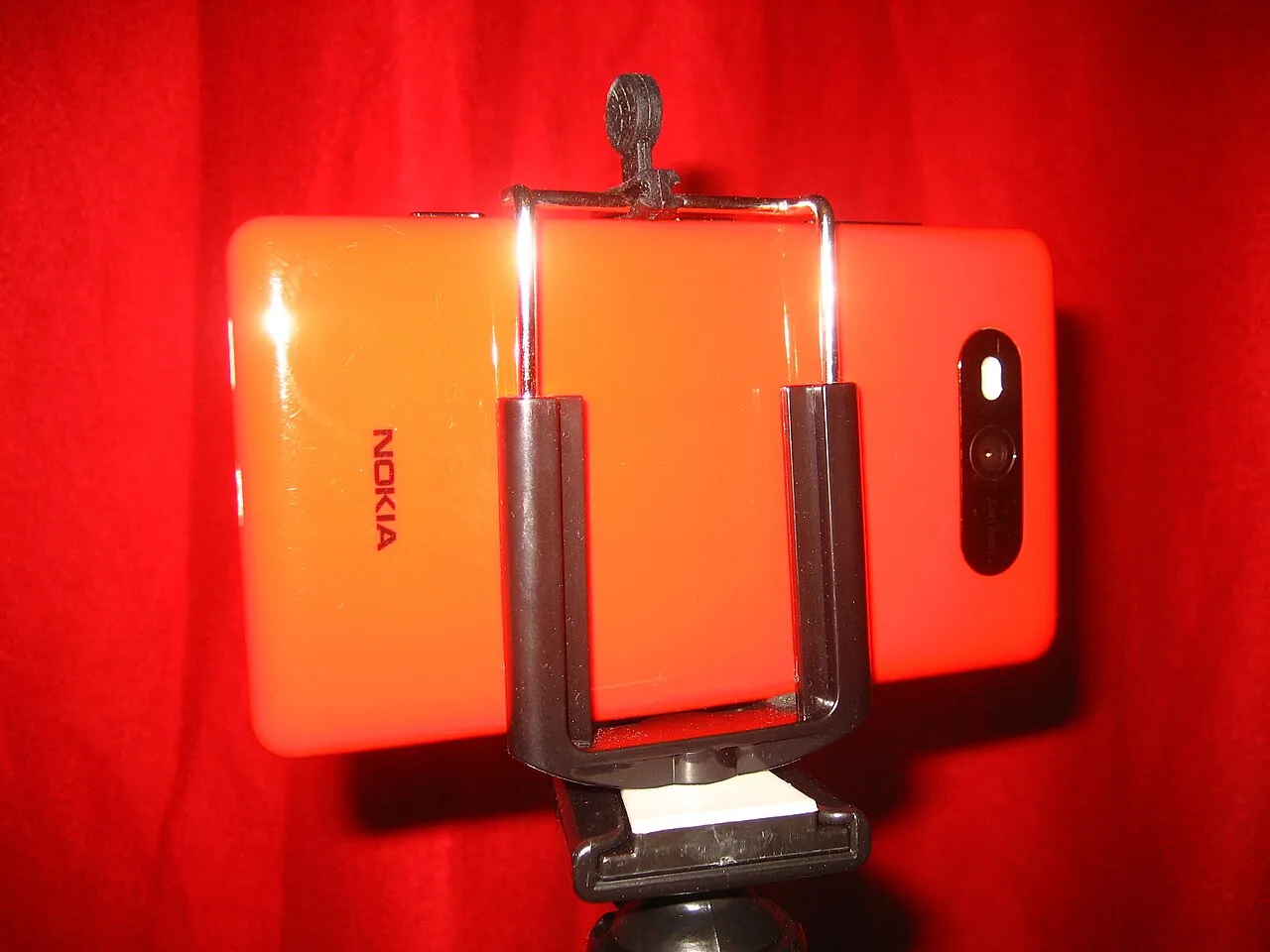
Doing it in-house is cheaper than most founders think. A ring light ($25), a tripod ($15), a decent phone you already own, and a CapCut subscription ($8/month) is the entire studio. The real cost is time: plan on half a day to shoot and edit your first five videos, dropping to a couple of hours once you have templates.
For media budget, start testing at $20-$30 per day per creative, and don't judge anything before $50 of spend. A realistic starter setup: 9 creatives from the 3 × 3 method, tested over two weeks, costs roughly $1,000-$1,500 in media plus $500-$1,000 in creative. That's the price of actually learning what works instead of guessing.
Aim for 15-30 seconds, with your core message landed by second 10. Shorter isn't automatically better. A 30-second ad with a strong hook beats a 9-second ad with a weak one. Let retention data decide: if viewers drop at second 12, your video is 12 seconds too long.
QDo I need influencers for short-form video ads?
No. Micro-creators with 5,000-50,000 followers often outperform big names for direct response because their audiences trust them more and their rates are a fraction of the cost. Engagement rate matters far more than follower count when you're buying creative, not reach.
QShould I start with UGC or polished video ads?
Start with UGC-style. It's cheaper, faster to produce, and it wins most direct-response tests. Add polished creative later for retargeting and brand campaigns once you have winning messages to dress up. Never lead with the expensive asset before you know what message converts.
QHow many video ad creatives do I need per month?
Plan on 8-12 fresh creatives a month for an actively spending account. Creative fatigue is real: performance on a winning video typically decays after 3-6 weeks. The 3 × 3 method (three hooks times three bodies) gives you nine assets from a single shoot day.
QDo short-form video ads need captions?
Yes. A large portion of feed viewing still happens muted, and captions lift retention even for viewers with sound on because moving text holds the eye. Burn them into the video rather than relying on platform auto-captions you can't style or control.
QHow do I know if my video ad is working?
Use your own account as the benchmark, not an industry number. Launch five or more creatives, rank them by thumb-stop rate, and kill the bottom half. Your best creative sets the bar; everything else has to beat it. Improvement is relative, and the trend line matters more than any single figure.
Your First 10 Ad Creatives This Week
You don't need a production budget. You need a phone, one afternoon, and the 3 × 3 method. Pick your best-selling product, write three hooks tonight, shoot the bodies tomorrow, and have nine ads live by Friday. The tenth creative is the iteration on whichever one wins, because by next Monday, the data will have told you exactly what your audience wants to see.
Start ugly, measure everything, and let the winners pay for the polish. That's the whole playbook.
Filed under#marketing#short#form#video
Prefer plain text? Read this article as Markdown — AI assistants and readers can quote it freely with a link back here.
The comments section…
Disagree loudly or agree loudly. Both help the next reader.
Email marketing for small business in 2026: grow your list, fix 5 flows that sell while you sleep, and run a Black Friday sequence that segments, not spams.
Meta Muse for small business is free, with paid plans at $20 and $100 a month. It drafts ads, plans posts, reads sales data, and needs your approval to post.