Black Friday Marketing 2026: Small Business Playbook
Black Friday 2026 is November 27, but nearly half of shoppers start buying before November. Here is the margin-safe offer, the list plan, and the calendar that turn the six-week season into profit.
The short answer: Black Friday 2026 falls on November 27, with Cyber Monday on November 30, but your sale starts now. Nearly half of shoppers buy before November, and the average discount last year was only 25 percent. Winners lock a margin-safe offer in late October, give their email list early access, and protect checkout under peak traffic.
Key numbers at a glance
- November 27 Black Friday 2026, the day after Thanksgiving on November 26, with Cyber Monday on November 30
- November 28 Small Business Saturday 2026, the day after Black Friday and your second peak in the same weekend
- 46 percent of shoppers start buying before November, per 2026 holiday strategy guides
- 25 percent the global average Black Friday discount in 2025, with shoppers rating around 30 percent off as a good deal
- 75 percent of shoppers start researching Black Friday deals before mid-November, and about 40 percent are already buying by October
- 42 percent of shoppers are more likely to buy when buy-now-pay-later is available at checkout
- $5 lost per order when a $60 product costing $30 plus $5 in payment and shipping fees goes 50 percent off, before counting a dollar of ad costs, which is the margin math that kills busy weekends.
- 100 orders from a 2,000 subscriber list converting at 5 percent, before spending a dollar on ads, which is why list growth for three weeks beats a bigger discount.
Last reviewed: October 2026. Dates are fixed for 2026. Discount and shopper behavior figures come from 2025 season guides and early 2026 holiday planning coverage.
Every October, small business owners face the same squeeze. The big retailers have been planning Black Friday since summer, with teams and budgets you do not have. Your customers are about to get flooded with offers, and the temptation is to match the deepest discount and hope volume saves you. It usually does the opposite: you sell a lot, keep a little, and spend December exhausted and no richer.
There is a better way to play this weekend, and it starts with a fact most owners miss. Black Friday is no longer a day. It is a six-week season that starts in early November, with many shoppers buying in October. Nearly half of shoppers start before November, and discount-driven revenue started climbing around November 16 last season. That means the businesses that win are not the ones with the loudest Friday. They are the ones that were ready in October, with an offer their margins can survive and a list of customers who hear about it first.
This playbook covers the whole run: locking your offer and margin rules now, building the list that makes paid ads cheaper, the email and ad calendar from now to Cyber Monday, and the post-weekend follow-up that turns one-time buyers into December repeat customers. It pairs with our Small Business Saturday prep checklist, which covers the in-store side of the same weekend.
The calendar: work backward from November 27
BFCM is the Black Friday and Cyber Monday weekend, November 27 to 30 in 2026, with Small Business Saturday on November 28 sitting between them.
Planning guides agree on the shape of the season. Planning starts six weeks out, in mid-October. The offer locks by late October. New ad creative freezes around November 13, so peak week runs on tested material, not fresh guesses. Teasers go out in the two weeks before the sale, early access opens in the final week, and the sale itself runs Friday through Monday, with Small Business Saturday as a distinct second moment for local shops.
| When | What to do |
|---|---|
| Now, late October | Lock the offer, margin rules, and inventory for the sale |
| Early November | Start list building, tease the offer to subscribers |
| Mid-November | Launch early access for email list and loyal customers |
| November 13 | Freeze new ad creative, run only tested winners |
| November 27 | Black Friday, full promotion live |
| November 28 | Small Business Saturday, local and in-store push |
| November 30 | Cyber Monday, final hours, online focus |
| Early December | Thank buyers, ask for reviews, switch to holiday gifting |
The date that matters most for a small business is not November 27. It is the day your offer locks, because everything downstream, ads, emails, inventory, and staff planning, depends on it. An offer that changes mid-November breaks all four at once. Pick it now, write it down, and defend it against the urge to add one more deal.
How do you build an offer your margin can survive?
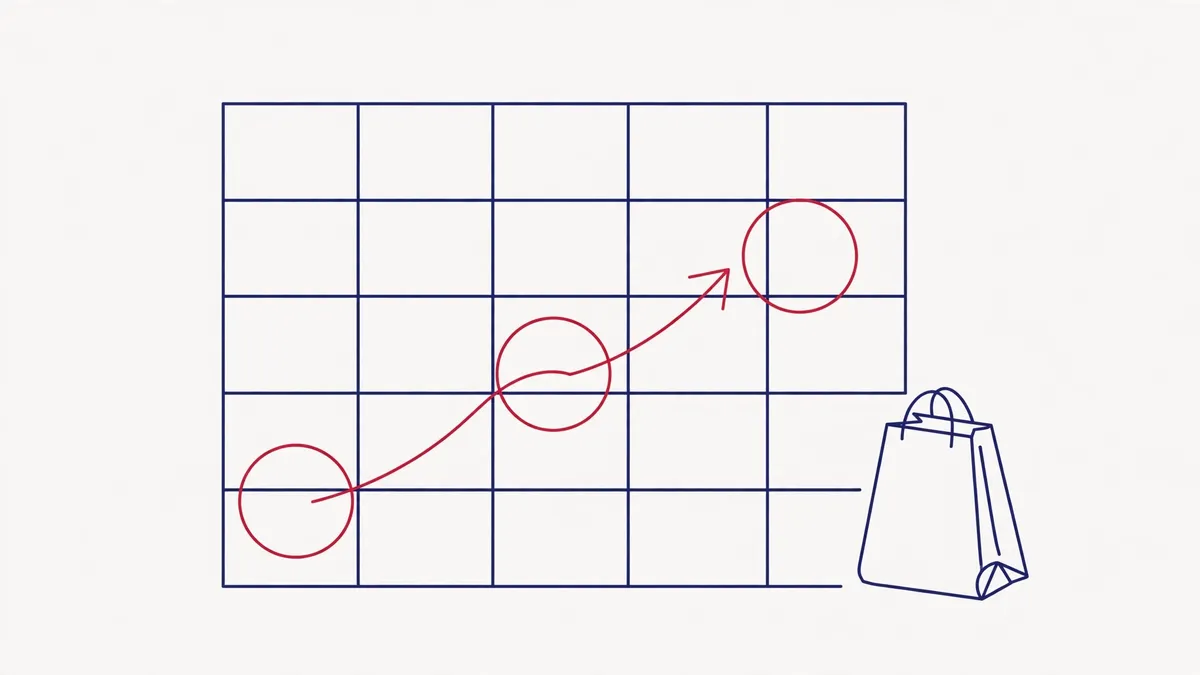
The average Black Friday discount last year was 25 percent, and shoppers consider around 30 percent off a good deal. You do not need 50 percent off to compete. In fact, racing to 40 or 50 percent off is how small businesses fund a busy weekend that loses money. Do the margin math before you pick the number.
Take a product that sells for $60 and costs you $30, with $5 in payment and shipping costs. At full price you keep $25. At 25 percent off, $45, you keep $10. At 40 percent off, $36, you keep $1. At 50 percent off, $30, you lose $5 on every order before counting ad costs. That is the math that kills holiday seasons, and it is why the best small business offers are rarely sitewide percentage cuts.
Use structures that feel generous and protect margin instead. Bundles of best sellers at a bundle price, where the perceived value is high and the blended margin stays healthy. A free gift over a spending threshold, which lifts average order value while costing you wholesale, not retail. Free shipping over a threshold, which customers value highly and which you can fund from the margin on the larger basket. Early access for subscribers, which costs nothing and makes your best customers feel like insiders. A gift with purchase that introduces a new product line. Each of these beats a deeper discount on profit, and most of them beat it on perceived value too.
One more margin rule: keep your core everyday pricing intact, and discount selectively. If you discount everything every year, customers learn to wait, and your full-price sales in October and January pay for it. Discount bundles and gift sets, not your whole catalog, and your regulars keep buying at full price the rest of the year.
Grow the list now: email list building for Black Friday
Your email list is the cheapest Black Friday channel you own, and the next three weeks are the best time to grow it. Offer something worth signing up for right now: early access to the sale, or an extra discount for subscribers. Show the sign-up to first-time visitors, ask for the phone number on a second step if you run SMS, and stop showing it to people who already subscribed.
The reason the list matters so much is cost. Reaching your own subscribers costs almost nothing. Reaching strangers in late November costs more than at any other time of year, because every big retailer is bidding for the same attention. A business with 2,000 subscribers that converts 5 percent of them has 100 orders before spending a dollar on ads. A business with no list has to buy every single order at peak prices.
Send your holiday offer to your list and your loyal buyers before you spend on ads to reach strangers. Early access is the mechanism: subscribers shop a day or two before the public sale, get first pick of limited stock, and feel rewarded for staying subscribed. It also spreads your order volume across more days, which your fulfillment, or your own packing table, will appreciate.

Ads: run tested creative, and freeze it early
Holiday ad costs peak in late November, so the creative you run then should already be proven. That means October is for testing, not for launching. Run your short video and static variants now at small budgets, find the hook and offer that convert, and freeze new creative around November 13. Peak week is for scaling winners, not for auditions.
For service businesses, the play is different and often better, because competitors go quiet while buyer intent stays high. Paid search works especially well here: someone searching for a service in late November is ready to buy, and fewer competitors bidding means cheaper clicks. Bundle services at package pricing that is not available other times of year, offer deals tied to slow-season booking dates, and sell giftable services for the holidays. A salon, a consultant, or a repair shop does not need a doorbuster. It needs a package and a deadline.
Keep one discipline through the whole weekend: real urgency, not fake urgency. A countdown that matches your real sale schedule builds trust. A countdown that resets for every visitor destroys it, and customers notice. Use real deadlines: the sale start, the end of early access, the end of the day, or genuinely limited stock. Those are plenty.

Why should you fix checkout before traffic arrives?
Nothing wastes a good offer faster than a checkout that breaks or drags under peak traffic. Test it on a phone this week, not during the sale. Compress hero images, cut unused apps and scripts, and avoid site changes during peak week. Aim for the main content to load within 2.5 seconds on a phone, which is also the threshold search and ad platforms reward.
Two checkout details pay for themselves. First, show buy-now-pay-later clearly if your payment provider offers it, since about 42 percent of shoppers say they are more likely to buy when it is available. This is about clarity, not pushing credit: if the option exists, hiding it costs sales. Second, show the full price clearly, including shipping, before the final step. Surprise shipping costs at the last screen are the top reason holiday carts get abandoned, and a free shipping threshold stated early prevents most of it.
Service businesses: your Black Friday looks different
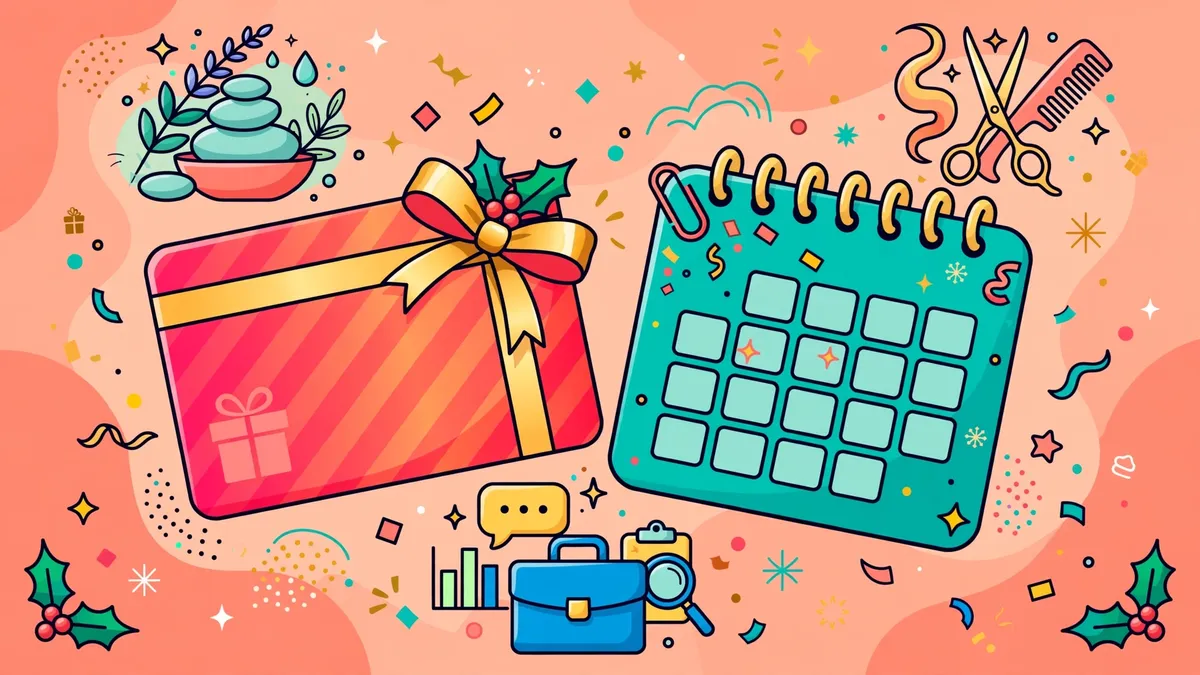
A service Black Friday offer is a package, not a price cut: a bundle of sessions, a slow-season booking window at a package price, or a giftable service for the holidays.
If you sell services, not products, do not copy a retail playbook. You have no inventory to clear and no doorbuster to run, and that is an advantage. Your offer is a package: a bundle of sessions, a slow-season booking window at a package price, or a giftable service for the holidays. A massage studio sells a three-session winter package. A consultant sells a January strategy intensive at a November price. A repair shop sells a maintenance plan with a holiday bonus visit.
The deadline is what makes it a Black Friday offer rather than a random discount. Package pricing available only until Cyber Monday, booking dates in your slow season, and gift cards that introduce new customers in January, when your calendar is thinnest. That last point is the real prize for service businesses: a holiday gift card sold in November is a new customer walking in during your quietest month.
After Cyber Monday: the week that decides December
The sale ends Monday night. The work that decides December starts Tuesday morning. First, switch to holiday gifting messaging the next morning, while buyers are still in shopping mode. Second, thank first-time buyers with a reason to come back, a small December offer or early access to a holiday gift guide. Third, ask for reviews while the experience is fresh, because a review written in early December influences the whole holiday season. Fourth, write a short post-mortem in the first week of December while the details are fresh: what sold, what broke, what the real margin was, and what you would change. Next year's plan writes itself from that page.
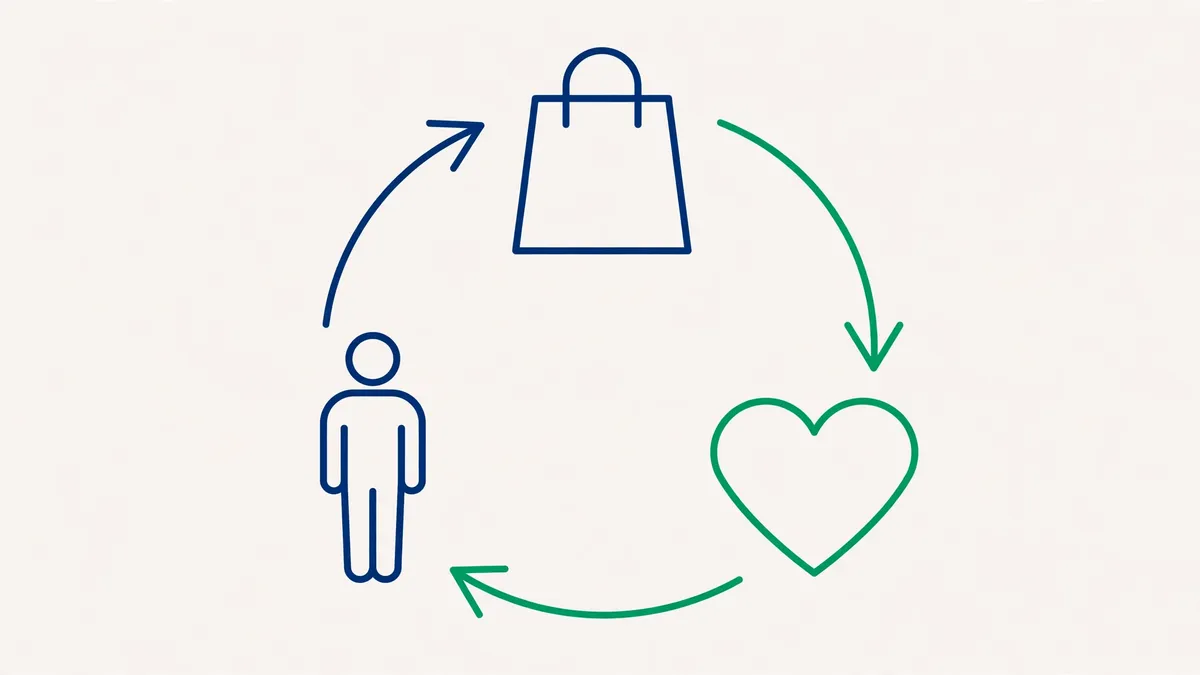
Loyalty and retention offers stretch the value of Black Friday traffic well past Cyber Monday, all the way into January. The customer you acquired at peak ad prices in November only becomes profitable if they buy again in December or January, when acquisition is cheaper or free. Every thank-you note, review request, and December offer is part of that payback, not an afterthought.
The bottom line
The bottom line: lock a margin-safe offer now, grow the list for three weeks, give subscribers early access, freeze tested creative by November 13, and fix checkout before traffic arrives. That sequence beats a deeper discount every time, because it protects the profit the sale is supposed to create.
Black Friday 2026 is November 27, Small Business Saturday is November 28, and Cyber Monday is November 30. Work backward from those dates, and remember that nearly half your customers start shopping before November. The sale you run in late November is decided by the offer you lock this week.
Design the offer from the margin backward, not from the discount forward. The average Black Friday discount last year was only 25 percent and shoppers rate around 30 percent off as a good deal, so a margin safe offer with early access for subscribers beats a 50 percent cut that loses $5 an order. Freeze creative by November 13, run tested material through peak week, and let the list, not the discount depth, carry the weekend.
Frequently asked questions
When should a small business start promoting Black Friday offers?
Tease the offer no later than early November, with the full promotion running by mid-November. Behind the scenes, planning starts in mid-October and the offer locks by late October. Nearly half of shoppers start buying before November, so a late November launch misses real demand.
How big of a discount should I offer?
Only as much as your margin allows. The average Black Friday discount was 25 percent last year, and shoppers rate around 30 percent off as a good deal. Bundles, spending thresholds, free shipping, and gifts with purchase usually protect margin better than a deeper sitewide cut.
Do service businesses need a Black Friday strategy?
Yes, a different one. Bundle services at package pricing, offer deals tied to slow-season booking dates, and sell giftable services for the holidays. Paid search works well for services in late November, since many competitors go quiet while buyer intent stays high.
How do I create urgency without fake timers?
Use real deadlines: the sale start, the end of early access, the end of the day, or genuinely limited stock. A countdown that resets for every visitor damages trust. One that matches your real sale schedule builds it.
What should I do after Cyber Monday?
Switch to holiday gifting messaging the next morning, thank first-time buyers with a reason to return, ask for reviews while the experience is fresh, and write a short post-mortem in the first week of December. That page becomes next year's plan.
For the wider picture, read our Small Business Saturday prep checklist for the in-store side of the same weekend, our Threads marketing playbook for the channel to tease your offer, and our WhatsApp marketing guide for reaching customers where they already reply.
Want more practical guides like this?
Browse all 80 guides across 10 categories, no fluff, no paywall.
Browse all guides →Explore Marketing guides