Print on Demand vs Dropshipping in 2026: Which Actually Makes Money?
Only 1 in 10 dropshippers makes it past year one. An honest, numbers-driven comparison of both models so you pick the right one for your goals.
Relevant ads will appear here once AdSense is connected.
A friend of mine ran a dropshipping store selling LED pet collars in 2024. He spent $3,200 on ads, made $4,100 in sales, and kept about $300 after product costs, ad spend, and refunds. He called it a win because he learned something. I called it an expensive education.
Another friend sells a single design, a sarcastic cat illustration, on t-shirts through print on demand. She spends nothing on ads. Her TikToks do the selling. She keeps about $11 per shirt and sells 40 to 60 a month. Smaller revenue, real profit, zero ad spend.
Both models let you sell physical products without inventory. Both are marketed as beginner-friendly. But the economics, the failure rates, and the day-to-day work are completely different. Industry data is blunt: only about 1 in 10 dropshippers succeeds in year one, and just 1.5% of stores clear $50,000 a month. Around 24% of stores survive three years. This guide compares both models on real numbers so you can choose with open eyes.
1. How Each Model Actually Works
Dropshipping means you list products from a supplier on your store. When a customer orders, the supplier ships directly to them. You never touch the product. Your job is finding winning products, running ads, and handling customer issues. The classic version sources from AliExpress-style suppliers; the 2026 version increasingly uses US or EU suppliers for faster shipping.
Print on demand (POD) means your original designs get printed on blank products, shirts, hoodies, mugs, posters, only after a customer orders. Providers like Printful or Gelato handle printing, packing, and shipping. Your job is creating designs people want, building a brand around them, and driving traffic.
The core difference: dropshipping resells generic products anyone can list, so you compete on price and ads. POD sells unique designs only you have, so you compete on creativity and brand. That single difference explains almost everything about the margin and survival data.
2. Startup Costs: The Real Numbers
Both models are cheap to start compared to traditional retail, but "cheap" still means real money. Expect $500 to $2,000 to launch either one properly.
Dropshipping costs: a Shopify plan ($39 a month), a domain ($15 a year), product samples for quality testing ($100 to $300, and yes, you must order them), automation apps like DSers ($20 to $50 a month), and ad testing budget ($300 to $1,000 minimum to find a winning product). The ad budget is the part beginners underestimate. You cannot validate a product without spending on traffic.
POD costs: a Shopify or Etsy setup ($39 a month on Shopify, $0.20 per listing on Etsy), design tools like Canva Pro or Kittl ($10 to $15 a month), sample prints to check quality ($50 to $150), and optionally a freelance designer from Fiverr or Upwork ($50 to $200 for your first designs). Ad spend is optional if you can drive organic traffic through social content, which is how most successful POD sellers start.
3. Profit Margins Compared
This is where the models diverge hardest. Typical dropshipping margins run 10 to 30%, and most beginners land at the bottom of that range because ad costs eat everything. A $30 product might cost $12 from the supplier and $10 in ad spend to sell, leaving $8 before fees and refunds. Scale that and the numbers work, but the margin for error is thin.
POD margins run wider: 30 to 60% on well-priced products. A custom phone case that costs about $10 to produce sells for $35 to $60 because buyers pay a premium for personalization. Roughly 1 in 5 buyers pays at least 20% more for a custom product. Your designs are the margin.
The catch: POD has lower order values on average, and organic traffic is slower to build. Dropshipping can spike revenue fast with a winning ad. POD compounds slowly through brand and repeat buyers. Neither is free money. They are just different shapes of hard.
| Factor | Dropshipping | Print on Demand |
|---|---|---|
| Startup cost | $500–$2,000 (ads needed) | $300–$1,000 (ads optional) |
| Profit margin | 10–30% | 30–60% |
| Time to first sale | Days (with ads) | Weeks to months |
| Branding control | Low | High |
| Quality control | Supplier-dependent | Sample-verified |
| Scaling speed | Fast (add products) | Slower (build brand) |
| Customer loyalty | Low | High |
| 3-year survival | ~24% of stores overall | |
4. Speed, Scale, and Survival Rates
Dropshipping wins on speed. With paid ads, you can test a product this week and know by next week whether it sells. That fast feedback loop is genuinely valuable for learning e-commerce. It is also why the failure rate is so visible: fast testing means fast failing, and most people quit after two or three failed products.
POD wins on durability. A design that sells this month will still sell next year. Your catalog compounds. Sellers who build a recognizable style get repeat buyers and word of mouth, the two cheapest acquisition channels in existence. The tradeoff is patience: expect three to six months before meaningful revenue, and six to twelve months before real profit as brand recognition builds.
Shopify now powers about 5.6 million active stores, and it hosts the majority of both POD and dropshipping sellers. The platform is not the differentiator anymore. Everyone has the same tools. The differentiator is what you sell and who you sell it to.
5. Branding: The Compounding Advantage
Here is the structural argument for POD, and it is the reason I lean toward it for beginners in 2026. Dropshipping sells commodities. When your product is identical to fifty other stores' products, the only lever is ad spend, and ad costs rise every year. You are renting customers.
POD builds an asset. Your designs, your style, your audience: none of it can be copied by opening the same supplier catalog. A customer who loves your designs comes back for the next one. That repeat purchase rate is the difference between a store that needs constant ad spend and a brand that grows on its own momentum.
This does not mean dropshipping cannot build brands. The successful dropshippers eventually do exactly that: they find a winning product, then build branding, packaging, and content around it until it is no longer generic. But that is the hard path wearing a fast path's clothes. POD starts with the brand advantage built in.
6. What the Day-to-Day Looks Like
A dropshipper's week: testing new products, monitoring ad performance, killing losers, scaling winners, answering "where is my order" emails, negotiating with suppliers, handling refunds. It is active, reactive, and ad-platform-dependent. Stop working and revenue stops within days.
A POD seller's week: creating new designs, posting content that shows them off, engaging with a community, fulfilling the occasional custom request, reviewing sales data for patterns. It is creative and slower-paced. Stop working and existing designs keep selling for months.
Be honest about which life you want. Dropshipping suits analytical, fast-moving operators who enjoy the ad game. POD suits creative operators who enjoy making things and building an audience. Mismatching your personality to the model is the most common reason people quit.
7. Which Should You Choose?
Answer these three questions honestly.
Do you have ad budget and tolerance for fast failure? If yes, dropshipping's rapid testing can teach you e-commerce in months. Budget at least $1,000 for product tests you will probably lose. If that number makes you queasy, POD's slower organic path fits better.
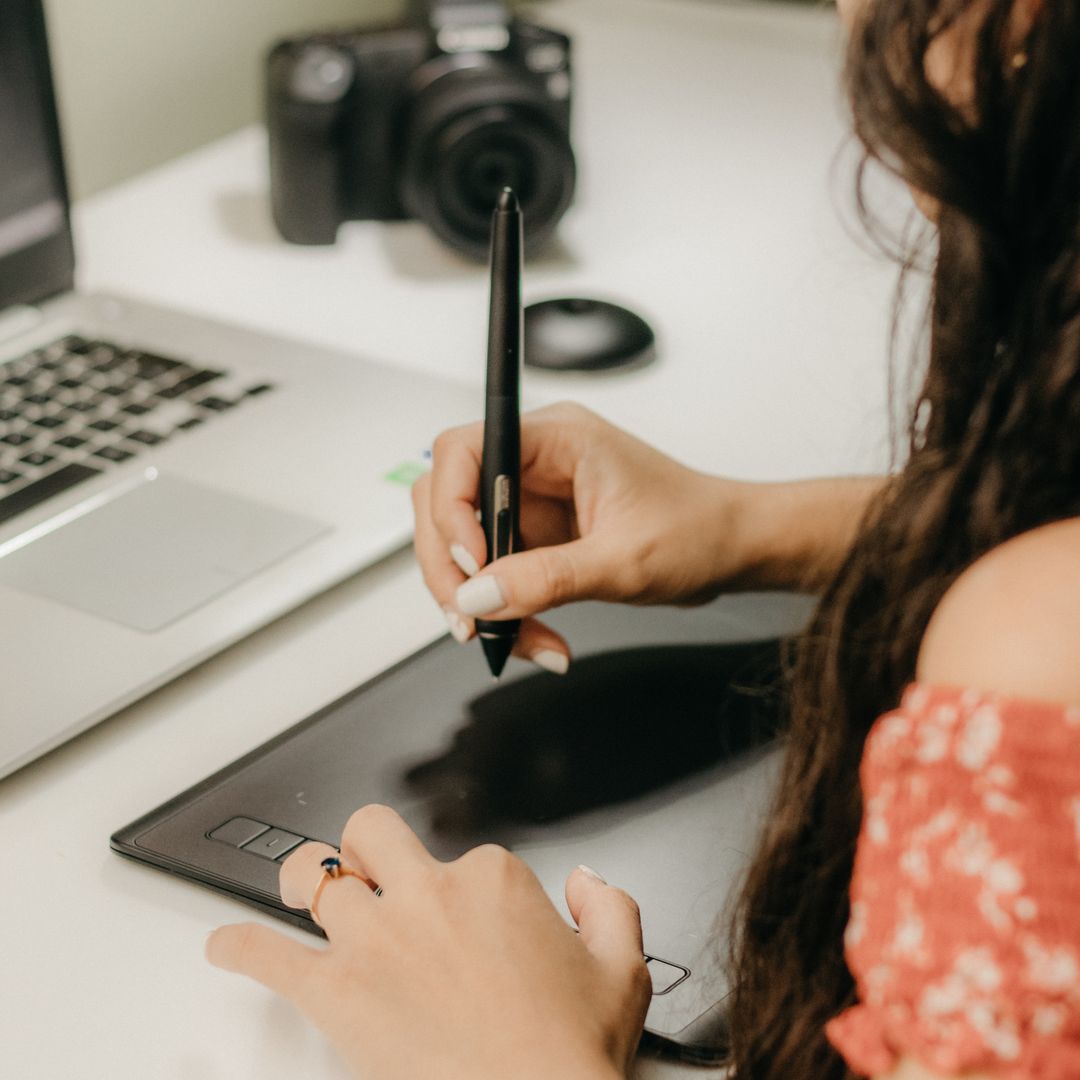
Can you create or commission designs? POD lives or dies on design quality. If you have taste and can learn basic design tools, or you can afford $50 to $200 per design batch, POD is open to you. If design feels like a foreign language, dropshipping's product-research game plays to analytical strengths instead.
Are you building for a quick win or a long-term brand? Dropshipping optimizes for speed: test fast, scale winners, move on. POD optimizes for compounding: build a catalog and audience that pays you for years. Neither goal is wrong, but they demand different models.
My default recommendation for beginners in 2026: start with POD in a niche you genuinely care about. The slower start teaches you marketing fundamentals without the ad-spend bleeding, and every design you make is an asset you keep. Graduate to dropshipping-style paid traffic later, pointing ads at your proven winners.
8. 30-Day Launch Checklist
Days 1-7: research. Pick your niche. For dropshipping, find three products with proven demand and check supplier reviews obsessively. For POD, study what designs sell in your niche and define your style. Order samples of everything.
Days 8-14: build. Set up your Shopify store or Etsy shop. Five products minimum, with real product photos (your samples), clear descriptions, and honest shipping times. Connect your fulfillment provider and run a test order end to end.
Days 15-21: traffic. Dropshipping: launch small ad tests, $20 a day per product, kill fast. POD: post your designs daily on TikTok, Instagram, and Pinterest. Content is your ad budget.
Days 22-30: optimize. Double down on what got traction. Fix your checkout conversion. Answer every customer message within hours. Your first ten sales teach you more than any course.
Relevant ads will appear here once AdSense is connected.
FAQ
Is dropshipping dead in 2026?
No, but generic dropshipping is brutal. Only about 1 in 10 dropshippers succeeds in year one. The ones who win treat it as a real business: tested products, reliable suppliers, actual branding. The era of listing random AliExpress gadgets with no differentiation is over.
How much money do I need to start print on demand?
$300 to $1,000 is realistic: store setup, design tools, sample prints, and optionally paid designs. You can start leaner on Etsy with under $200. Unlike dropshipping, you do not need an ad budget if you are willing to grow through organic social content.
Which is more profitable: print on demand or dropshipping?
Print on demand typically has higher margins (30 to 60% vs 10 to 30%) because custom designs command premium prices. Dropshipping can generate revenue faster through paid ads. For long-term profitability, POD's branding advantage usually wins.
Can I do both at the same time?
Not at the start. Each model demands full attention for the first few months. Once one model hits around $5K a month consistently, adding the other as a complement works well: POD sellers add dropshipped accessories, dropshippers add branded POD products.
Do I need design skills for print on demand?
You need design judgment, not necessarily design skills. Many successful POD sellers commission designs on Fiverr or Upwork for $50 to $200 per batch and focus on niche selection and marketing. But you must be able to tell good designs from bad ones, or you will pay for both.
What is the biggest mistake beginners make?
Skipping samples. Dropshippers who never touched their product get crushed by quality complaints and refunds. POD sellers who never saw their print get crushed by color and placement surprises. Order samples in week one, every time.
Pick One and Launch This Month
The model matters less than the execution. Both print on demand and dropshipping have created real six-figure businesses in 2026, and both have buried thousands of stores that never launched properly. Pick the one that fits your skills and budget, get five products live in 30 days, and make your first ten sales. That is the entire game at the start.
Thinking bigger than e-commerce? See how solo founders build entire businesses around AI leverage, or read our newsletter business guide for a model with even higher margins. The full collection lives in our Business hub.
Relevant ads will appear here once AdSense is connected.