Health
Burnout-Proof: A Founder's Operating System for Stress
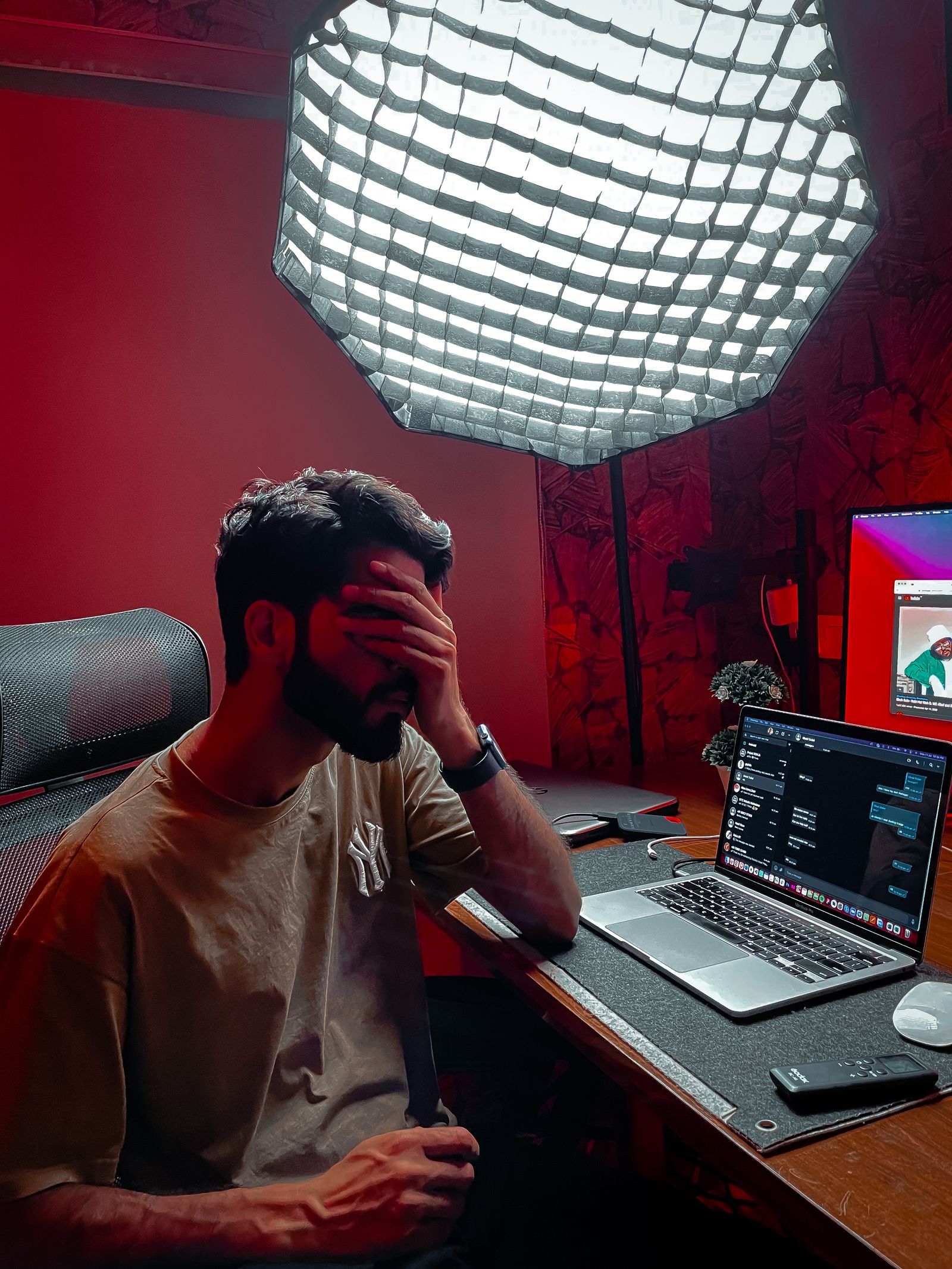
Burnout isn't a badge of honor — it's a systems failure. After my own crash, I built an operating system for stress: boundaries, recovery rules, and workload limits that actually hold.

Your health is your real wealth. Evidence-based guides on fitness, nutrition, sleep, and mental well-being — built for busy people with real schedules.
Burnout isn't a badge of honor — it's a systems failure. After my own crash, I built an operating system for stress: boundaries, recovery rules, and workload limits that actually hold.
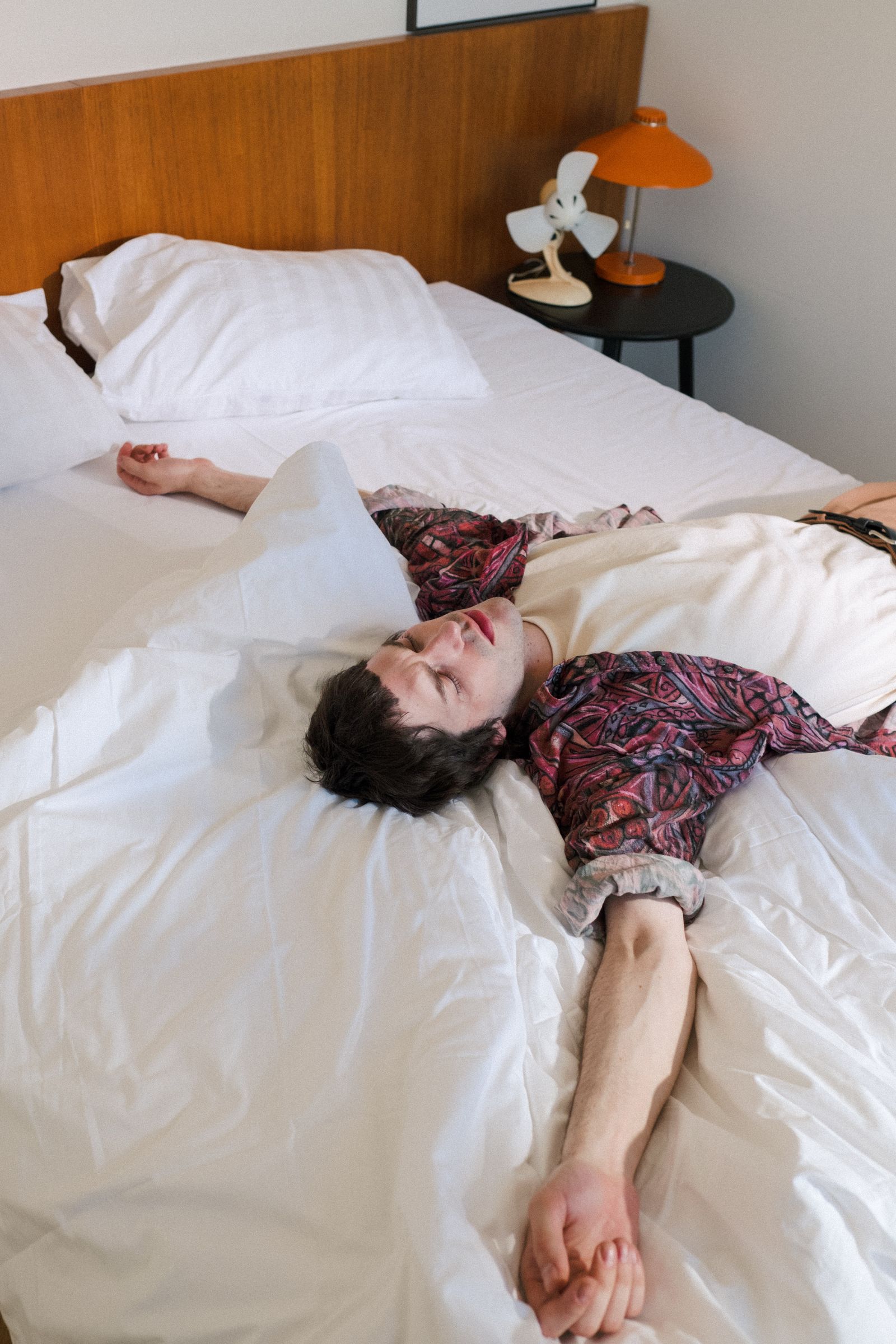
I ran on four hours of sleep for two years and called it hustle. These seven small, evidence-backed changes got me to seven hours — and my work got better, not slower.

You don't need six days a week or a home gym. Three 45-minute dumbbell sessions built more muscle — and more energy — than any cardio routine I ever tried.

A 2026 study of 72,000 people found that 9,000–10,000 daily steps offsets the damage of sitting all day. I tested it for 90 days without quitting my desk job. Here's exactly what happened.
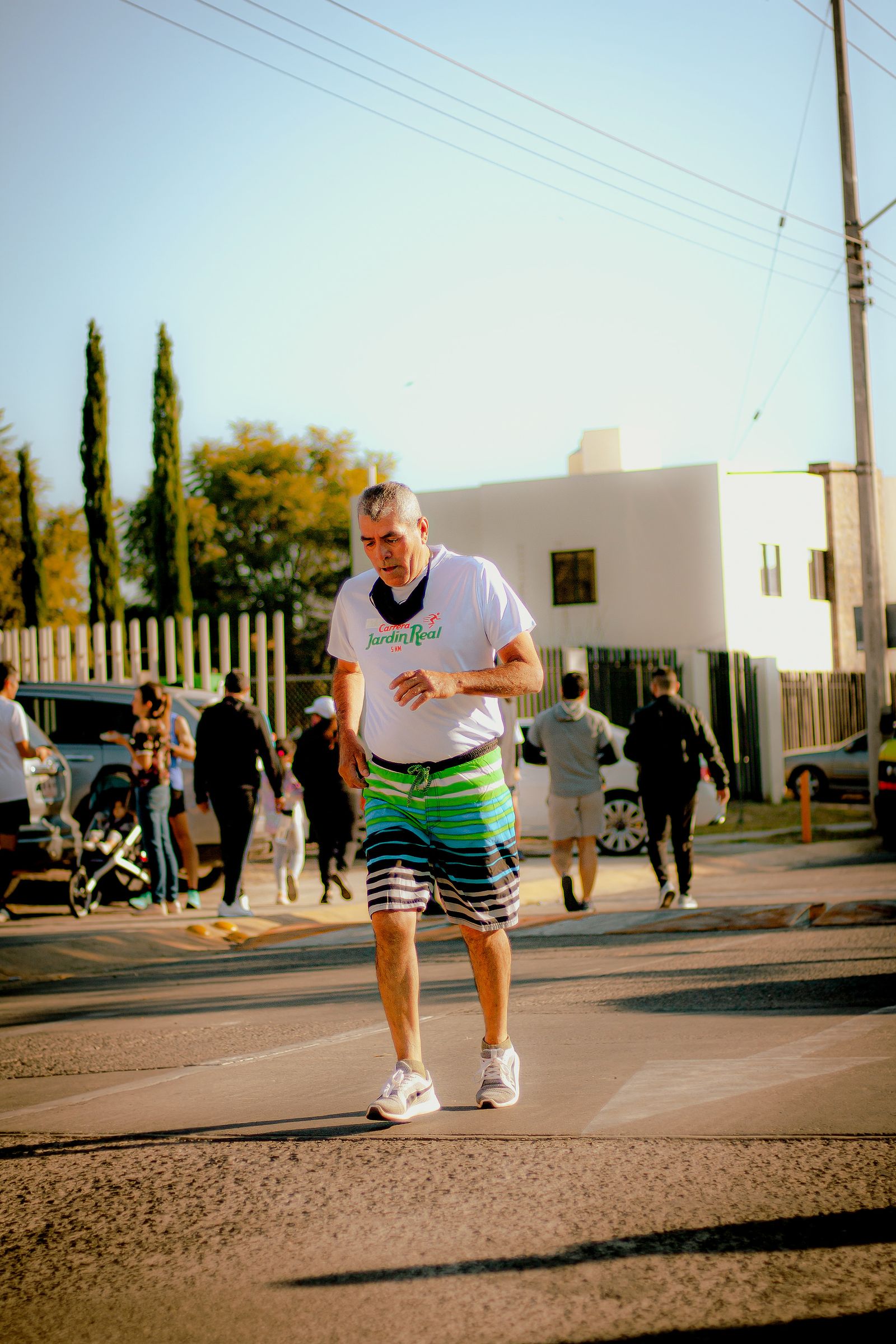
The fitness trend every longevity expert quietly follows: slow, easy cardio at a pace where you can still hold a conversation. Here's the science, the formula, and a 3-day starter plan.
New to this topic? These three guides are the fastest way to get up to speed.
You don't need a gym membership, an hour a day, or a complex program. You need progressive overload (doing slightly more over time), movement variety, and a schedule you can keep. Minimum effective dose: 2-3 full-body resistance sessions/week (30-45 min), 150 min moderate or 75 min vigorous cardio/week, daily movement (walking, mobility). Compound lifts — squat, hinge, push, pull, carry — give the most return per minute. Bodyweight, dumbbells, kettlebells, bands, machines all work; the best equipment is what you'll use. Track: sets, reps, weight, RPE. Progress weekly. If you're new, hire a qualified trainer for 4-6 sessions to learn form — bad habits cost months. ACSM guidelines are the gold standard; everything else is variation.

Michael Pollan's seven words remain the best nutrition advice ever written. No single diet wins for everyone — Mediterranean, DASH, moderate low-carb, high-protein, plant-forward all show similar outcomes when calories and protein are equated. Principles that work: 1.6-2.2g protein/kg bodyweight for active adults; fiber 25-38g/day from vegetables, fruit, legumes, whole grains; limit ultra-processed foods (the more ingredients you can't pronounce, the less often you eat it); hydrate 2-3L water/day; alcohol in moderation or not at all. Meal prep 2-3 proteins, 2-3 veggies, 2-3 carb sources on Sunday — mix and match all week. Track calories for 2 weeks to learn portions, then eat intuitively. Supplements: creatine monohydrate (5g/day), vitamin D3 (test, then dose), omega-3 if not eating fatty fish 2x/week, magnesium glycinate for sleep. Everything else is optional.

Sleep debt accumulates; you can't "catch up" on weekends. 7-9 hours is the physiological range for 95% of adults — if you think you're fine on 6, you're adapted to impairment. Non-negotiables: consistent wake time (even weekends), morning light exposure (10 min within 30 min of waking), caffeine cutoff 10 hours before bed, alcohol avoided 3 hours before bed, cool dark room (65-68°F), screens off 60 min before sleep (or blue-blocking glasses). Wind-down routine: stretch, read, journal, breathwork — signal safety to your nervous system. Track with a wearable (Oura, Whoop, Apple Watch) for trends, not nightly scores. If you wake unrefreshed despite 8 hours: rule out apnea (snoring, gasping), check ferritin/thyroid, evaluate stress. CBT-I is first-line for chronic insomnia — more effective than medication long-term.

Mental health isn't the absence of disorder — it's the capacity to handle life's demands with flexibility. Evidence-based approaches: CBT (cognitive restructuring, behavioral activation), ACT (acceptance, values-based action), DBT (emotion regulation, distress tolerance), EMDR (trauma). Medication + therapy beats either alone for moderate-severe depression/anxiety. Daily practices with research backing: 10 min meditation (Headspace, Calm, Insight Timer), 3-item gratitude journal, 20 min nature exposure, social connection (call, don't text), meaningful work or volunteer. Boundaries: say no, limit news/social media, protect sleep. Warning signs: persistent hopelessness, functional impairment, substance reliance, suicidal thoughts — call 988 (US) or local crisis line immediately. Therapy platforms: BetterHelp, Talkspace, Alma, or Psychology Today directory for in-network. Invest in your mind like you invest in your business — it's the same asset.
Preventive care catches problems when they're treatable and cheap. USPSTF Grade A/B recommendations (insurance covers at $0 cost-share): blood pressure annually, lipid panel every 5 years (40-75), colorectal cancer screening 45-75 (colonoscopy q10, FIT annually, Cologuard q3), cervical cancer 21-65 (Pap q3, HPV q5), breast cancer 40-74 (mammogram q2), depression/anxiety screening annually, HIV 15-65, hepatitis C 18-79 once, diabetes 35-70 with overweight, lung cancer 50-80 with 20 pack-year history. Vaccines: flu annually, COVID per CDC, Tdap q10, shingles 50+, pneumonia 65+. Men: discuss PSA pros/cons 55-69. Women: bone density 65+. Dental q6mo, vision q1-2yr. Keep a personal health record — you're the only one who has the full picture.

Walk 20 min daily. Add bodyweight squats, pushups (elevated), planks — 2 sets each, 2x/week. Increase by 1 rep or 1 min weekly. Consistency > intensity. See a doctor first if you have cardiac risk factors or haven't exercised in years.
The one you can sustain. Calorie deficit drives weight loss; protein + fiber + resistance training preserves muscle. Aim 0.5-1% bodyweight/week. Track for awareness, not obsession. Slow weight loss stays off; fast comes back.
Partially. You can repay acute debt (1-2 nights), but chronic restriction causes metabolic, cognitive, and immune changes that don't fully reverse. Prioritize consistent 7-9 hours every night. Naps <20 min before 3 PM help; longer naps disrupt night sleep.
If emotions, thoughts, or behaviors interfere with work, relationships, or daily function for 2+ weeks — that's the clinical threshold. But you don't need a diagnosis to benefit. Therapy is skill-building for your mind, like a trainer for your body.
Creatine monohydrate (strength, cognition), vitamin D3 (test first), omega-3 (if low fish intake), magnesium glycinate (sleep, recovery). Maybe: probiotic (specific strains for specific issues), collagen (joint/skin, weak evidence). Skip: multivitamins (poor absorption), greens powders (eat vegetables), testosterone boosters (don't work), fat burners (dangerous).
Pick one: add a 20-minute walk daily, prep protein for the week, set a consistent wake time, book a therapy consult, schedule your overdue screening. Do it. Track it. Next week, add another. Health compounds like interest — start the principal today.
Relevant ads will appear here once AdSense is connected.