Longevity Is at a Crossroads: A Founder Healthspan Checklist
The wellness world gathers in Phuket on November 10 with an unusually honest message: longevity needs less hype and more evidence. For founders, that is good news, and this founder healthspan checklist turns it into action. The habits that actually extend healthy years are boring, cheap, and fit a busy schedule. Here is the checklist, and the skip list.
The short answer: healthspan, the years you live in good health, matters more than lifespan, and the habits that protect it are unglamorous. Sleep 7 to 9 hours, lift weights twice a week, walk daily, eat mostly whole food, and book the screenings your age calls for. This is not medical advice, so skip the supplement stack.
Key numbers at a glance
- November 10 to 13, 2026 is when the 20th annual Global Wellness Summit meets in Phuket, Thailand, under the theme Science, Art and Soul of Wellness
- 70+ experts are on the summit agenda, covering longevity, medical wellness, hospitality, design, and healthspan
- November 4 to 5, 2026 is when Sanofi's HealthStack event runs in Houston, focused on clinical AI, digital care, and remote monitoring
- 7 to 9 hours of sleep a night is the target range for most adults, and a regular bedtime matters as much as the total
- 2 strength sessions a week plus daily walking covers most of the exercise benefit a busy founder needs
- 7,000 to 9,000 steps a day is a realistic walking target, well short of the mythical 10,000, and far better than a desk bound day
- 6.0 hours of accredited education are on offer across the two day HealthStack program for eligible clinicians
- Over $300 a month down to under $60 is what the guide's founder example spent on longevity habits before cutting to the habits he actually did, with energy up, not down, after the cut.
- $200 a month powder versus a free walk is the guide's comparison: a $200 a month powder promising a small effect loses to a free walk that delivers a large one, which is why the checklist ranks habits by what you will actually do.
Arjun, a 38 year old SaaS founder in Pune, spent 2025 collecting longevity habits the way other founders collect apps. A cold plunge tub arrived in March. A supplement stack with eleven bottles arrived in May. A sleep tracker, a red light panel, and a fasting app followed. His health spending passed 300 dollars a month. His sleep got worse, because he stayed up reading about sleep. His back still hurt, because he never did the two boring things that fix a desk bound back: walk more and lift something heavy twice a week.
Arjun is not foolish. He was marketed to, very well, by an industry that sells complexity. That is why the November 2026 wellness conversation matters. The Global Wellness Summit, the foremost gathering of leaders in the global wellness economy, released the full agenda for its 20th annual event, November 10 to 13 at the Angsana Laguna Phuket in Thailand, and its framing is unusually blunt for this industry: longevity is at a crossroads, with new demands for less hype and more evidence based pathways, and a future that is more integrative than solely clinical, more collective and accessible than individualistic and elitist. In plain language: the expensive, lonely version of longevity is losing the argument, and the simple, shared version is winning it.
This guide is written for founders, not patients. It is general information, not medical advice, and if you have a condition, a family history that worries you, or symptoms that will not go away, a doctor is the next step, not an article. What follows is a checklist you can actually run in a founder's week, plus a skip list that will save you money. If you want the daily routine version of this, our minimum effective wellness guide for founders pairs well with this checklist.
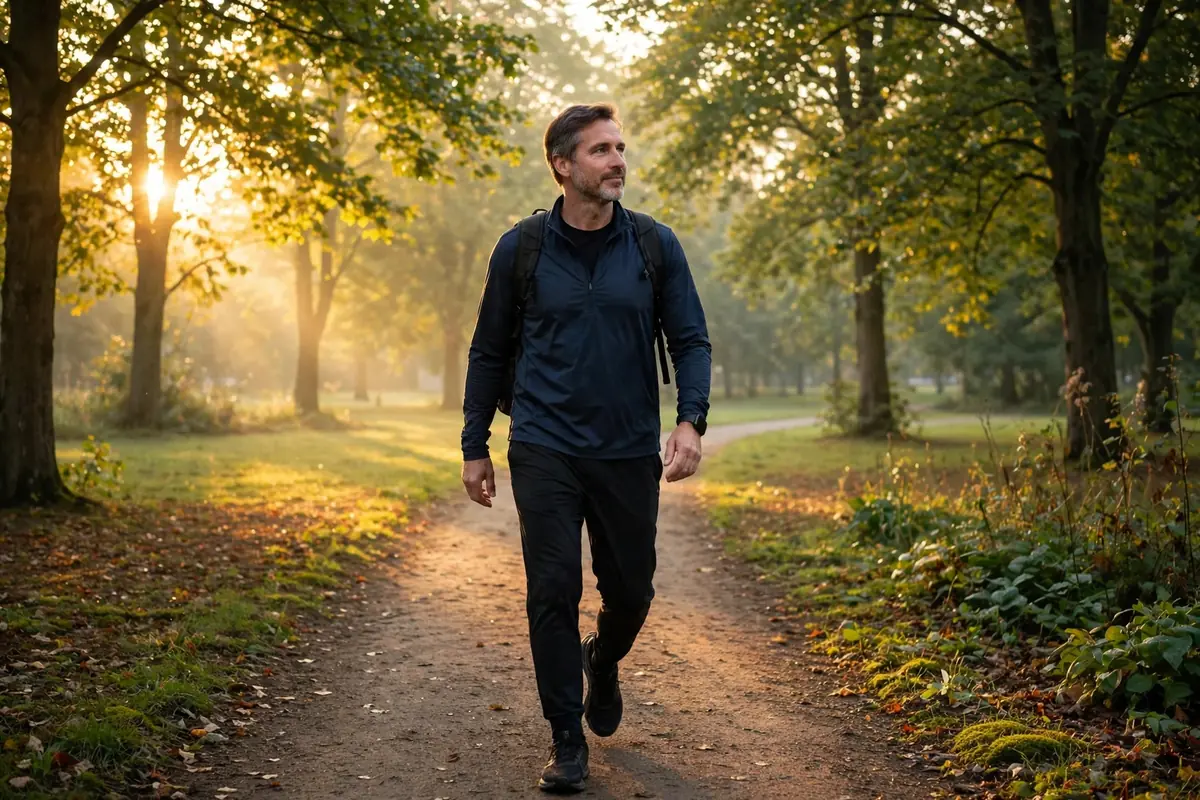
What is the wellness world saying in November 2026?
Healthspan is the number of years you live in good health, free of serious disease and disability, as opposed to lifespan, which only counts total years lived.
Three November signals point the same way. First, the Global Wellness Summit agenda puts healthspan, not lifespan, at the center, with keynotes on evidence based and women inclusive pathways to healthy longevity, on why integrative medical wellness is the future, and on how a focus on healthspan is already reshaping health insurance and workplace wellness. Second, Sanofi's HealthStack event in Houston on November 4 and 5 brings providers, founders, and operators together around clinical AI, digital therapeutics, remote patient monitoring, wearables, and maternal health, with sessions on how AI tools are assessed before deployment and how bias creeps into healthcare data. Third, a late October corporate wellness launch from ROOT Brands and OptimalMD packages telemedicine, corporate wellness, and longevity focused care for families and employers on one concierge platform, a sign that employers, not just individuals, are now buying into this space.
Read together, the message is not "buy more wellness." It is "prove it, and make it reachable." Clinical AI is being judged on whether it fits provider workflows and earns patient trust, not on demo sparkle. Corporate wellness is being sold as access to real care, labs and prescriptions included, not as a poster in the break room. And the summit's own language, less hype, more evidence, is a direct rebuke to the supplement and gadget marketing that dominated the last few years. For a founder, that is a permission slip to ignore most of the noise.

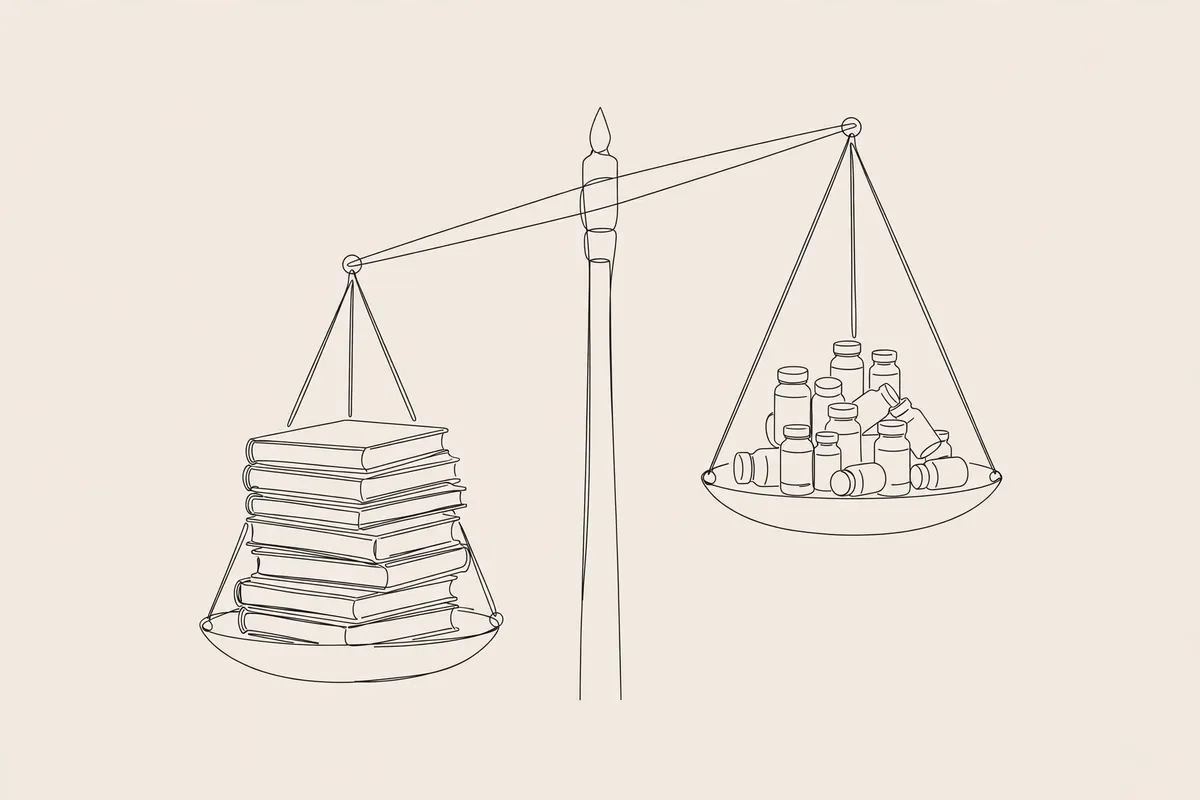
How do you tell evidence from longevity hype?
Use a three question filter before you spend money or time on any health claim. One, does it work in people, not just in mice or in a petri dish? Most longevity headlines fail here. Two, is the effect big enough to notice in real life, or is it a tiny lab finding dressed up as a breakthrough? Three, what does it cost in money, time, and side effects, compared with the boring alternative? A 200 dollar a month powder that promises a small effect loses to a free walk that delivers a large one.
Arjun ran his stack through this filter in June. The cold plunge survived in a smaller form: a cold shower after workouts, free, two minutes, genuinely refreshing. The red light panel did not: no clear benefit he could feel, 15 minutes a day he did not have, and a device gathering dust by August. The fasting app went too, because skipping breakfast made his morning meetings worse, and no study says a founder must fast to be healthy. The eleven bottles shrank to two, both on his doctor's advice for specific gaps, not from an influencer's list. His monthly health spending fell from over 300 dollars to under 60, and his energy went up, because the habits that remained were the ones he actually did.
The filter also protects you from the newest trap: AI health advice that sounds precise and is not personal. Clinical AI tools are improving fast, and the HealthStack sessions on assessment and bias are a reminder that these tools still need human judgment. An AI summary of your lab report is a starting point for a conversation with your doctor, not a diagnosis. If an app tells you to change a medication, ignore the app and call the doctor.
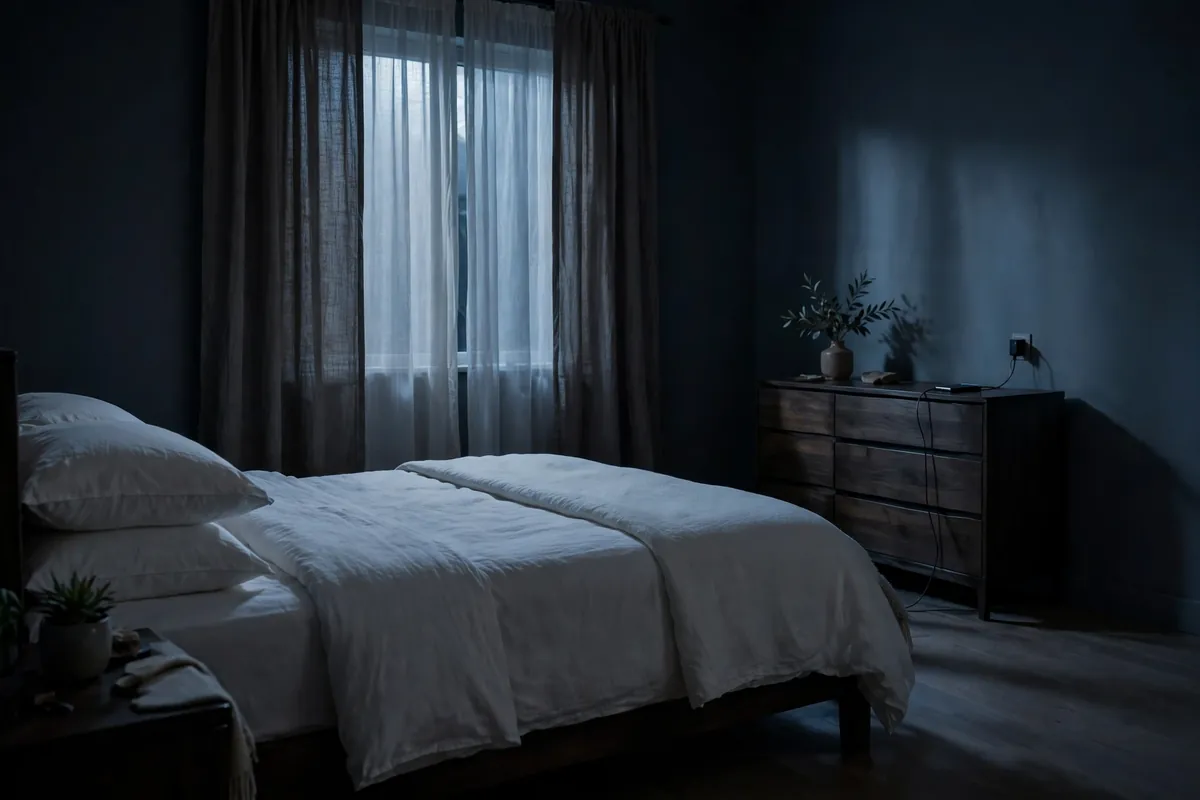
Why does sleep come first on the checklist?
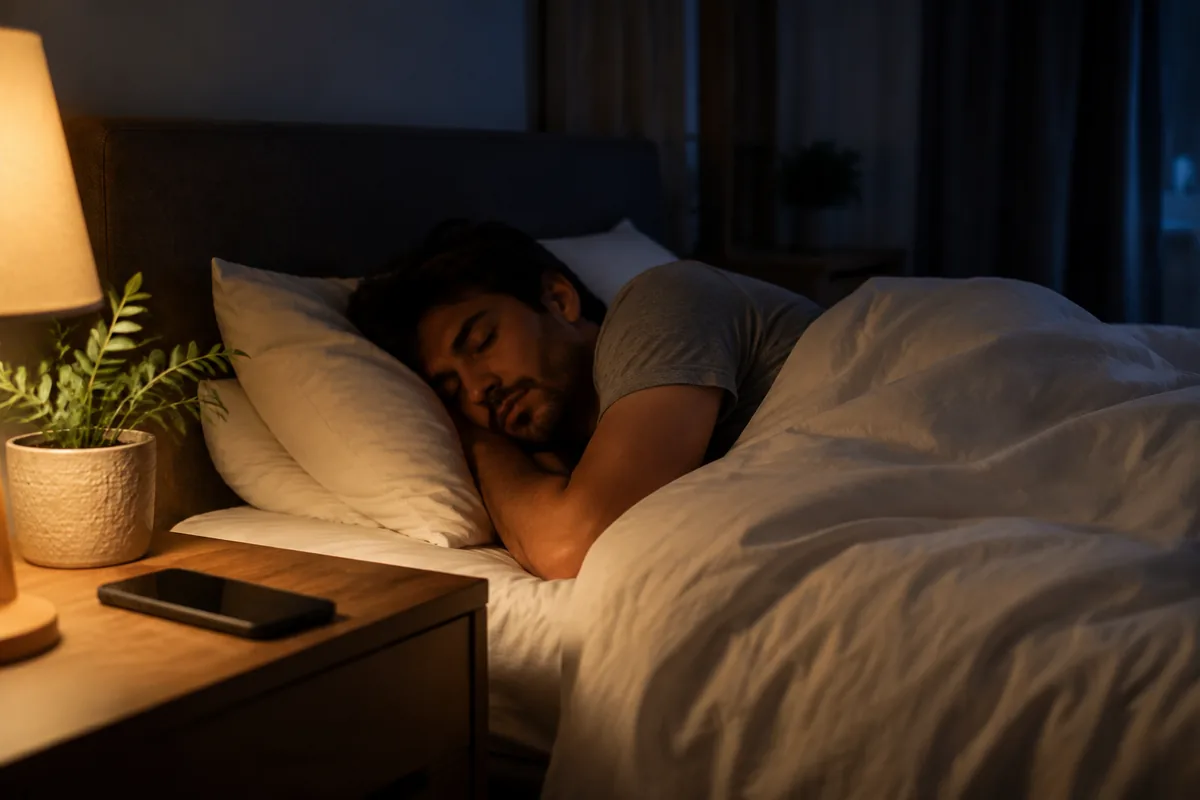
Sleep is first because everything else gets easier when it is fixed, and harder when it is not. Short sleep raises appetite, dulls focus, shortens patience, and makes workouts feel twice as hard. Founders love to trade sleep for work, and the trade is almost always a loss: the extra two hours at midnight produce worse work than the same two hours after a full night's sleep. Arjun's turning point was not a gadget. It was a bedtime, 11 pm, phone charging in the kitchen, no exceptions on weekdays. Within three weeks his afternoon crashes faded, and his morning writing got faster.
The checklist version is simple. Pick a bedtime you can keep seven days a week, within an hour. Keep the phone out of the bedroom. Keep the room dark and cool. Cut caffeine after noon if you sleep badly, and cut the last drink of the evening, because alcohol fragments sleep even when it helps you fall asleep. If you snore loudly, wake up unrefreshed after eight hours, or fall asleep in meetings, ask a doctor about sleep apnea instead of buying another tracker. Our founder sleep protocol goes deeper on the exact evening routine, and our burnout proof founder guide covers what to do when the problem is workload, not willpower.
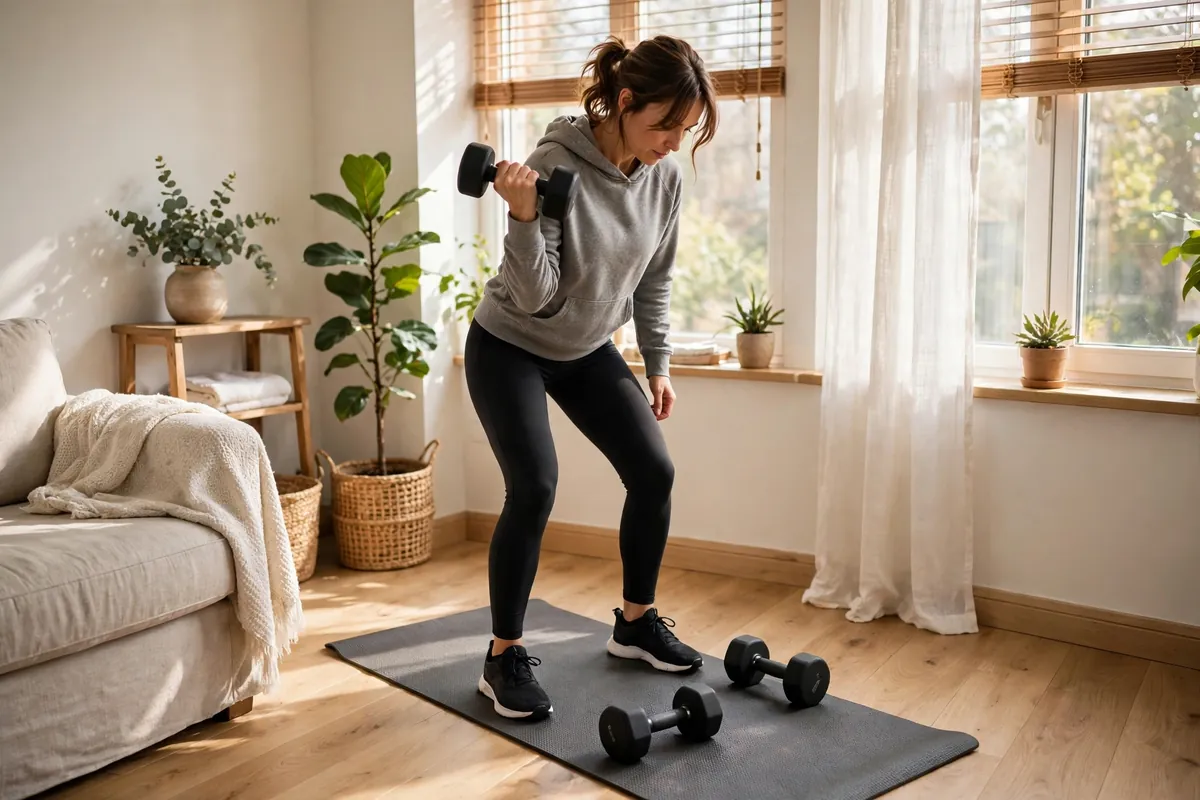
What exercise fits a founder's week?
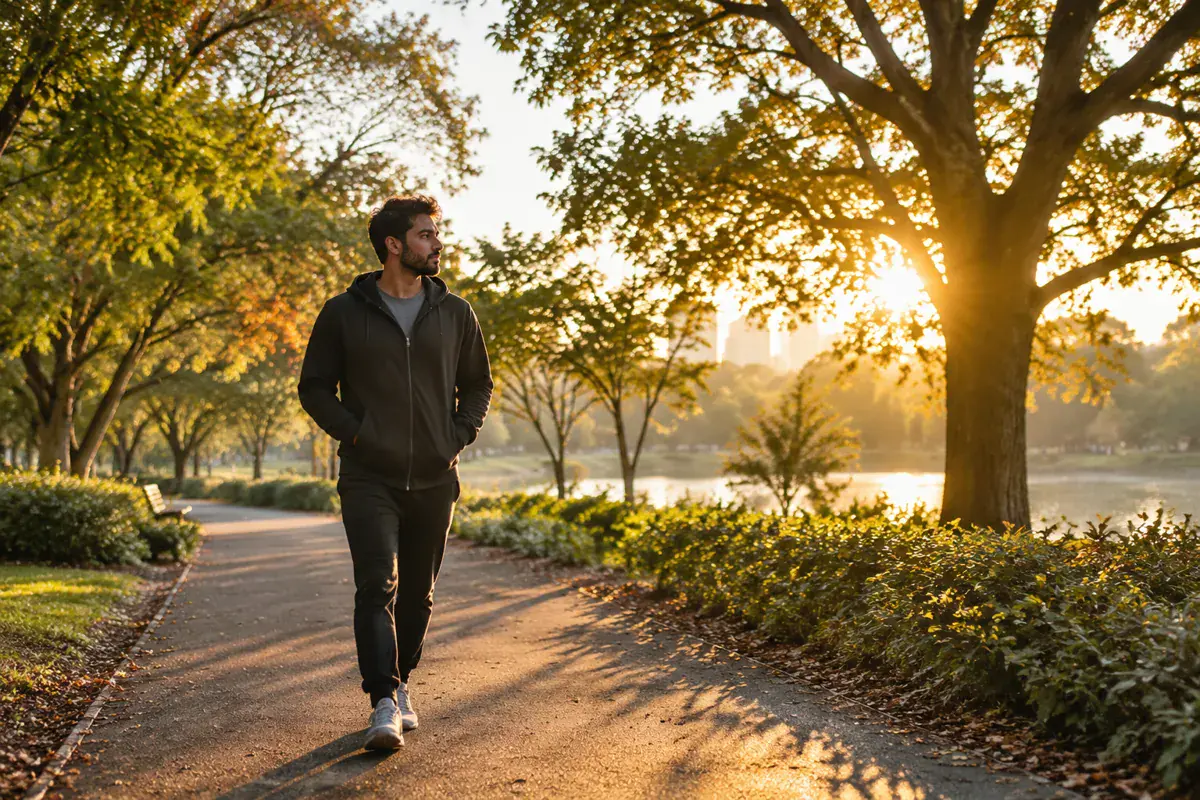
Two strength sessions a week and daily walking. That is the whole program, and it is enough for most busy adults. Strength work protects the things founders lose first at a desk: grip, posture, bone density, and the ability to carry a suitcase without thinking about it. Walking protects the rest: mood, blood sugar, creativity, and the afternoon slump. Arjun does 20 minutes with dumbbells on Tuesday and Friday mornings, before his inbox opens, and walks for calls whenever the call does not need a screen. His step count averages 8,000 a day without a single dedicated "exercise hour" beyond the two short sessions.
Start smaller than you think you should. If you have not lifted in a year, two sessions of 15 minutes beat a heroic 90 minute gym plan you quit by week three. Squat, push, pull, hinge, carry: five movements, light weights, good form, done. Add weight slowly, week by week. If your knees, back, or shoulders hurt, a physiotherapist visit costs less than a month of supplements and fixes the actual problem. And if you sit for ten hours a day, set a timer to stand every hour. It sounds trivial. It is also the habit that keeps a desk job from quietly wrecking your hips and back over a decade.
What should a busy founder actually eat?
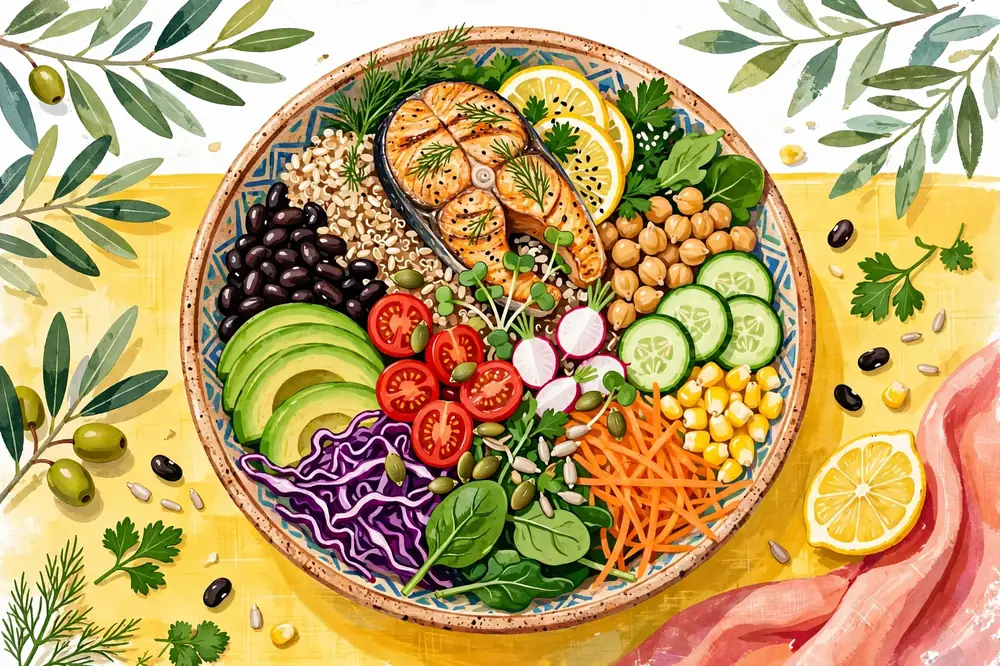
Mostly whole food, protein at every meal, and a plan for the two danger windows: the skipped lunch that ends in a 4 pm vending machine raid, and the late dinner eaten at the laptop. Arjun's fix was boring and effective. Breakfast is eggs and fruit, prepared the night before when mornings are tight. Lunch is a bowl built from a grain, a bean or fish, and vegetables, made in a batch on Sunday. Dinner is whatever the family eats, with a salad added. No diet has a name in his house. No food is banned. The rule is only that protein and vegetables show up at every meal, and that ultra processed snacks are a sometimes food, not the default fuel.
That last point matters more than any single superfood. A 2026 thread in the nutrition literature keeps returning to the same finding: diets heavy in ultra processed food track with worse metabolic health, and the fix is not a powder, it is cooking more of your own food. You do not need to cook every meal. You need two or three reliable meals you can make without thinking, and a stocked freezer for the weeks when everything is on fire. Keep fruit visible, keep water on the desk, and keep the snack drawer out of arm's reach. Environment beats willpower, every time, and founders already know this from product design. Apply it to your kitchen.
Which screenings are worth booking?
Screenings are the least exciting item on this checklist and the one most likely to actually save your life. The right ones depend on your age, sex, and family history, so this is a conversation with your doctor, not a universal list. But the shape of it is consistent: blood pressure and cholesterol checks, diabetes screening if you carry extra weight or have a family history, colorectal screening from the age your guidelines say, skin checks if you burn easily or have changing moles, and dental and eye checks that founders skip for years because they do not hurt until they do.
Book them in one batch. Arjun books a single "health morning" every November: doctor, dentist, eye test, blood work, done by lunch, calendar blocked like a board meeting. The batch approach works because it removes the repeated decision. One morning a year, four appointments, no further thought. If cost is a barrier, ask your doctor which tests matter most this year and which can wait, and check whether your employer plan or local clinic covers preventive visits. A screening you keep postponing because it feels expensive is usually cheaper than the problem it would have caught early.
What goes on the skip list?
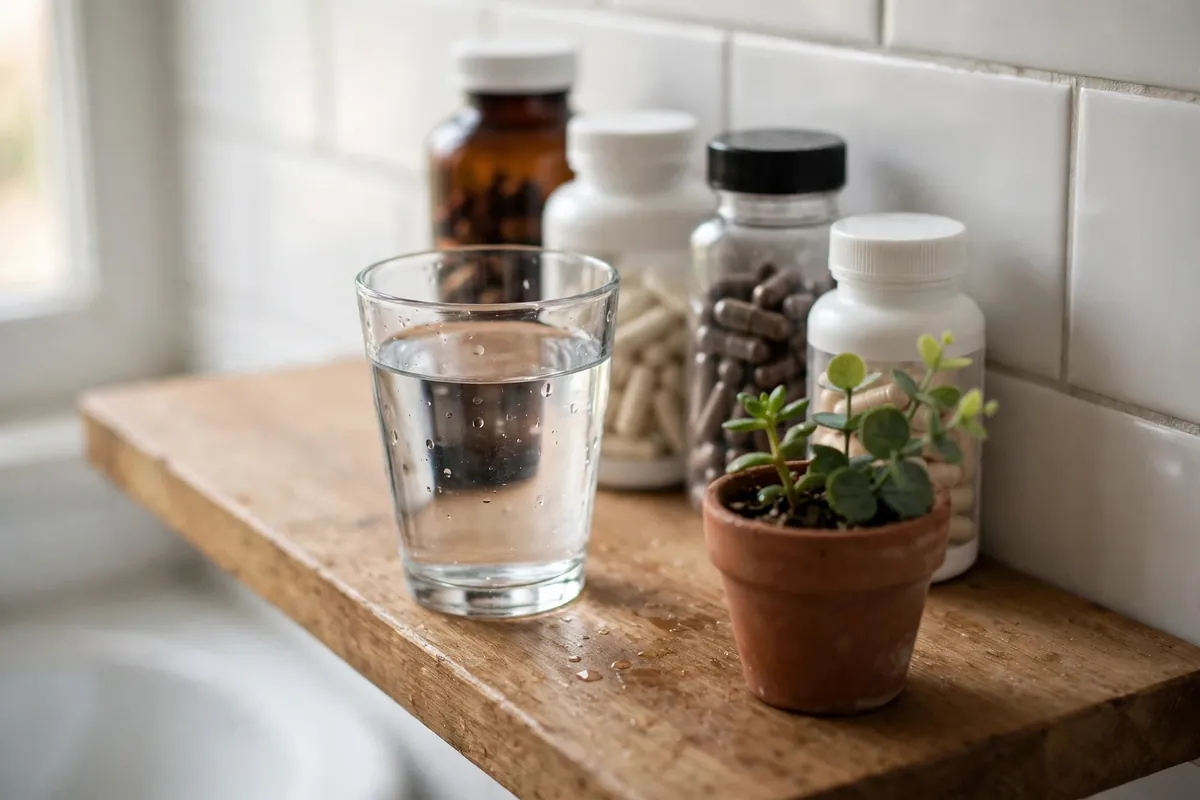
First, any supplement stack sold as a longevity system. If a product needs eleven bottles to work, it does not work. Second, any device that promises to reverse aging while you sleep, sit, or stand on it. Third, extreme diets that make your work worse: a fasting plan that wrecks your mornings, a keto plan you cannot sustain past a month, a cleanse that is really just starvation with better marketing. Fourth, health advice from someone selling the cure. If the person telling you about a miracle compound also sells that compound, find a second source who does not.
None of this means ignoring new science. It means waiting for the science to reach people, not just mice, and for the effect to be big enough to matter. The summit's "less hype, more evidence" line is a useful test for every new claim you meet this month. Ask who profits if you believe it, ask what the boring alternative achieves, and ask whether you would still do it if nobody ever posted about it. Arjun's final stack is almost embarrassingly plain: sleep, weights, walks, real food, a yearly health morning, and two doctor approved supplements. It costs under 60 dollars a month. It also happens to be the plan his doctor endorsed without changing a word.
| Checklist item | Weekly time | Typical cost | Evidence strength |
|---|---|---|---|
| Sleep 7 to 9 hours, regular bedtime | 0 extra hours, just a schedule | Free | Strong |
| Strength twice a week, 20 minutes | 40 minutes | Free to low, dumbbells once | Strong |
| Daily walking, 7,000 to 9,000 steps | Built into calls and errands | Free | Strong |
| Whole food, protein each meal | One batch cook a week | Grocery bill, no premium | Strong |
| Yearly screening morning | One morning a year | Varies, often covered | Strong |
| Supplement stack, 10+ bottles | Daily sorting and swallowing | 150 to 300 dollars a month | Weak for most products |
Sources for the November 2026 news in this guide: the Global Wellness Summit agenda release for November 10 to 13, 2026, the HealthStack event listing for November 4 to 5, 2026, and the ROOT Brands and OptimalMD corporate wellness announcement of October 27, 2026. This guide is general information, not medical advice. Talk to your doctor before changing medication, starting a supplement, or beginning a new exercise program.
The bottom line
Longevity in November 2026 is moving away from expensive, lonely biohacking and toward evidence based, reachable healthspan: sleep, strength, walking, real food, and screenings. That shift is good news for founders, because the winning plan costs almost nothing and fits a busy week. Run the checklist for 30 days, skip the stack, and book the health morning. Your future self, the one still building at 60 with a clear head and a strong back, will thank you for the boring version.
Cut spending before you add habits. The November 2026 conversation, from the Global Wellness Summit's evidence-first framing to the founder who dropped from over $300 to under $60 a month, points the same way: a bedtime, two short strength sessions, daily walking, and whole food beat a stack of powders and panels you never use. If a habit needs a device, a subscription, or a heroic hour to survive, it is the first thing to cut, not the next thing to buy.
Frequently asked questions
What is healthspan, and how is it different from lifespan?
Lifespan is how many years you live. Healthspan is how many of those years you live in good health, able to move, think clearly, and do the work you care about. Founders should chase healthspan, because extra years spent sick or exhausted are not a win, and most of the daily habits that extend healthspan are free.
What does the Global Wellness Summit say about longevity in 2026?
The 20th annual Global Wellness Summit, held November 10 to 13, 2026 in Phuket, Thailand, frames longevity as at a crossroads, with a push for less hype and more evidence based pathways. Its agenda stresses healthspan, integrative medical wellness, and pathways that work for more people, not only for wealthy biohackers.
What is the single most useful founder health habit?
Sleep, by a clear margin. A regular 7 to 9 hour sleep window improves focus, mood, appetite control, and recovery more than any supplement. If you fix only one thing this month, fix the time you go to bed, and keep your phone charging outside the bedroom.
Do founders need longevity supplements?
Most do not, and the evidence for most longevity supplements is thin. A doctor may advise vitamin D or another supplement for a specific deficiency, but a shelf full of powders is not a health plan. Spend the money on better food, a strength routine, and the screenings your age actually calls for.
How much exercise does a busy founder actually need?
Two strength sessions a week plus daily walking covers most of the benefit. A 20 minute dumbbell session twice a week and 7,000 to 9,000 steps a day beats a heroic gym plan you quit by week three. Consistency for a year beats intensity for a month, every time.
Want more practical guides like this?
Browse all 98 guides across 10 categories, no fluff, no paywall.
Browse all guides →Explore Healthcare guides