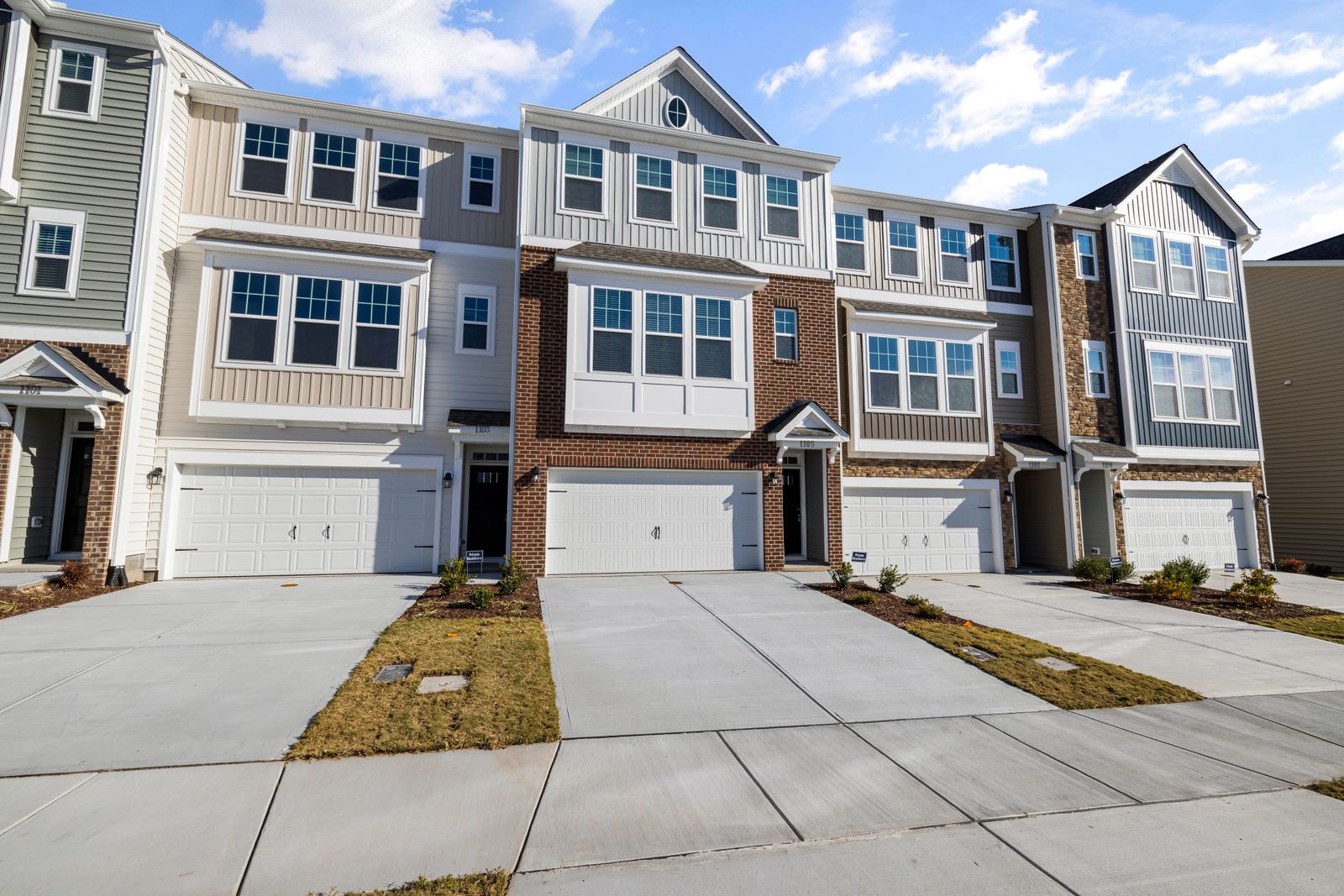
How to Buy Your First Rental Property in 2026: The No-Fluff Beginner's Guide
Everything you need before you buy your first rental property in 2026: how much cash you really need, the math that separates good deals from money pits, financing options that actually exist, and the mistakes that wreck first-timers.
Relevant ads will appear here once AdSense is connected.
A friend of ours bought his first rental in 2023: a tidy three-bedroom in a decent suburb, $210,000, tenants already in place. On paper it looked like a win. Then the water heater died in month two, a roof leak hit in month four, and by month six he'd drained his savings and was borrowing on a credit card to stay afloat.
He didn't fail because rentals are a bad idea. He failed because he bought the property before he understood the math, kept no reserves, and skipped the inspection to "save" $400. That's the whole game with your first rental: the deal doesn't make or break you. Your preparation does.
We've watched enough first deals, good and bad, to know exactly where beginners go wrong. This guide walks you through the full process, step by step, with real numbers and honest expectations. No guru talk. Just the sequence that works.
Step 1: Get Your Finances in Order
Before you browse a single listing, get honest about money. A rental property is a business that needs startup capital, and guessing at the number is how people end up like our friend above. The cash you need depends entirely on your strategy. If you house hack with a low-down-payment loan, you're looking at roughly $7,000 to $30,000. If you're going the classic route with 20% down on an investment property, budget $40,000 to $80,000. Either way, keep six months of reserves on top of your down payment and closing costs (source).
Those reserves aren't optional. They're the difference between a bad month and a disaster. A furnace replacement runs $4,000 to $6,000. A month of vacancy on a $1,800 rental costs you $1,800 plus the mortgage you still owe. Six months of reserves means a bad quarter is an annoyance, not an emergency.
Next, check your credit. Conventional investment loans usually want 680 or higher, with the best rates at 740+. Pull your reports, fix errors, and pay down card balances before you apply; small improvements can save you thousands over the life of a loan. Then get pre-approved, not just pre-qualified. Pre-approval means a lender has verified your income, assets, and credit, and sellers treat it as the price of admission.
Step 2: Pick the Right Market
Where you buy matters more than what you buy. A great house in a shrinking town is a liability; an average house in a growing market is an asset. Look for cities with diverse employers, population growth, and durable industries. One-factory towns are cheap for a reason.
Then study rents, not prices. A market where a $250,000 home rents for $2,400 a month is a fundamentally different investment than one where the same home rents for $1,500. Rental yields vary wildly by location. In the US, gross yields of 5-8% are common depending on the city. In the UK, expect around 5-6%, with higher yields typically in Northern England compared to London. In India, rental yields are much lower, around 2-3% (source).
Landlord laws are the part beginners skip and later regret. Some areas make evictions fast and cheap; others turn them into a year-long legal saga, and some cap rent increases. Read the local landlord-tenant rules before you buy anywhere. If you're in the UK, buy-to-let typically needs a 15-25% deposit, with Rightmove and Zoopla as the main research platforms (source). Whatever country you're in: jobs, rents, laws, in that order.
Step 3: Learn the Math (This Is the Job)
Here's the uncomfortable truth: analyzing deals IS the job. Financing, tenants, and repairs are just execution. If you can't run the numbers cold, you'll buy on emotion and pay for it for years. Two quick screens and one full calculation are all you need.
The 1% rule: your 30-second filter
The 1% rule says monthly rent should equal 1% of the purchase price: a $200,000 home should rent for $2,000 a month. It's a screening tool, not a full analysis, and many 2026 markets fail it because prices have outrun rents (source). Use it to throw out obvious losers, then do real math on the survivors.
Cap rate: compare properties fairly
The capitalization rate tells you a property's return ignoring financing. Divide the annual net operating income (rent minus all operating expenses, before mortgage) by the purchase price. A good cap rate in 2026 is 5-8% for stable residential markets. Above 8% usually signals higher risk, and you should always compare cap rates within the same city and property type, not across different markets (source).
Cash-on-cash return: your actual money's return
Cap rate ignores your mortgage. Cash-on-cash return is what your actual cash earns: annual cash flow divided by total cash invested. Let's walk through a real example.
Purchase price: $200,000. You put 20% down ($40,000) plus about $5,000 in closing costs, so $45,000 total cash in. The home rents for $1,950 a month, or $23,400 a year, just under the 1% rule. Annual expenses: property taxes $2,400, insurance $1,200, maintenance at 5% of rent ($1,170), vacancy at 5% ($1,170), and property management at 10% ($2,340). Total operating expenses: $8,280.
Net operating income is $23,400 minus $8,280, which is $15,120. Cap rate: $15,120 divided by $200,000 = 7.6%, solidly in the healthy 5-8% range. Your $160,000 mortgage at roughly 7.25% costs about $13,100 a year in principal and interest. Annual cash flow: $15,120 minus $13,100 = about $2,020, or $168 a month. Cash-on-cash return: $2,020 divided by $45,000 = roughly 4.5%.
Is 4.5% exciting? Not really. But rental profit comes from four paths, not one: cash flow, appreciation, tenant-paid loan paydown, and tax benefits (source). Your tenant chips away at your mortgage every month, building wealth even when the monthly cash flow looks modest.
Step 4: Choose Your Financing
How you finance the deal shapes everything: your cash requirement, your monthly payment, and your legal obligations. Three routes cover nearly every first-time buyer.
Conventional investment loan
You put 20-25% down on a property you won't live in, and the lender prices it as an investment: expect rates roughly half a point to a full point above primary-residence rates. You'll need solid credit and documented income. The cleanest option if you have the cash and the W-2 to back it.
FHA house hack
Buy a 2-4 unit property, live in one unit, rent the others, and put as little as 3.5% down with an FHA loan. The catch is you must live there for at least a year. The upside is enormous: you can get into a rental property for a fraction of the usual cash, and your tenants help pay your own housing cost. If you want the full playbook, read our house hacking guide.
DSCR loan
Debt Service Coverage Ratio loans qualify you on the property's rental income, not your personal income. No W-2, no tax returns, just the deal's numbers. Down payments run 20-25% and rates are higher than conventional loans. Built for self-employed buyers or anyone scaling fast.
| Feature | Conventional Investment Loan | FHA House Hack | DSCR Loan |
|---|---|---|---|
| Down payment | 20-25% | 3.5% | 20-25% |
| Must you live there? | No | Yes, at least 1 year | No |
| Rate ballpark (2026) | ~7-8% | ~6.5-7.5% (primary residence pricing) | ~7.5-9% |
| Income check | Full (W-2, tax returns) | Full | Property's rent only |
| Best for | First-time investors with cash and steady income | Beginners who can live in one unit | Self-employed buyers or fast scalers |
Step 5: Find the Deal
Good deals rarely find you. In a normal market, the best-priced properties on the MLS (the public listing system) get multiple offers within days. That doesn't mean the MLS is useless. It means you need a system, not a hope.
Set up automated alerts on Zillow, Redfin, or your country's equivalent. When something new hits, run your 1% screen immediately and view it that week, not next month. Speed matters, but it never replaces the math. A fast bad decision is still a bad decision.
Off-market deals are where the real margins live. "Driving for dollars" means cruising target neighborhoods and contacting owners of distressed-looking properties directly. Probate attorneys, wholesalers, and landlord meetups are other pipelines. They take effort, which is exactly why they work.
Whatever the source, never fall in love with a property. You're buying a set of numbers that happens to have walls. If the numbers stop working at the asking price, make a lower offer or walk away. There is always another deal. Browse the Real Estate hub for more on deal analysis and strategy.
Step 6: Inspect and Verify Everything
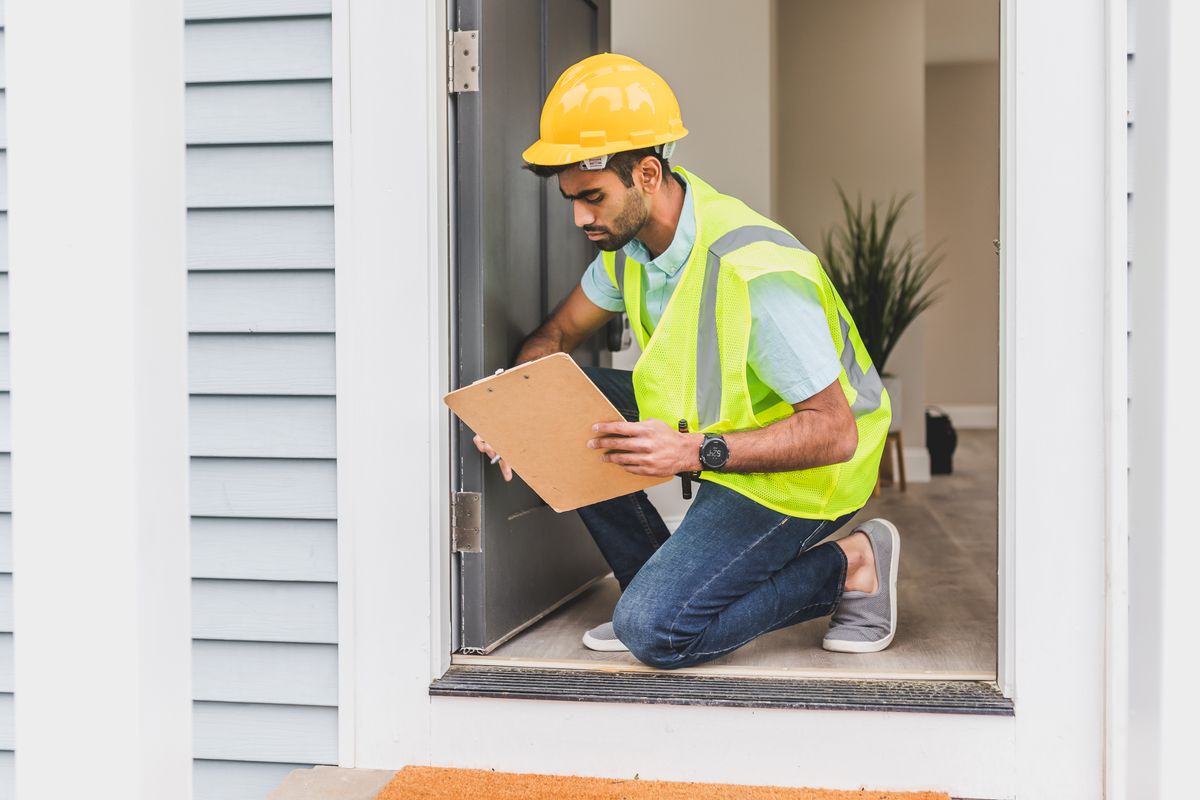
Once your offer is accepted, the due diligence clock starts. This is where you verify that the property matches the story the listing told. Hire a licensed home inspector and attend the inspection yourself. A good inspector finds the $15,000 foundation issue the seller's fresh paint was hiding.
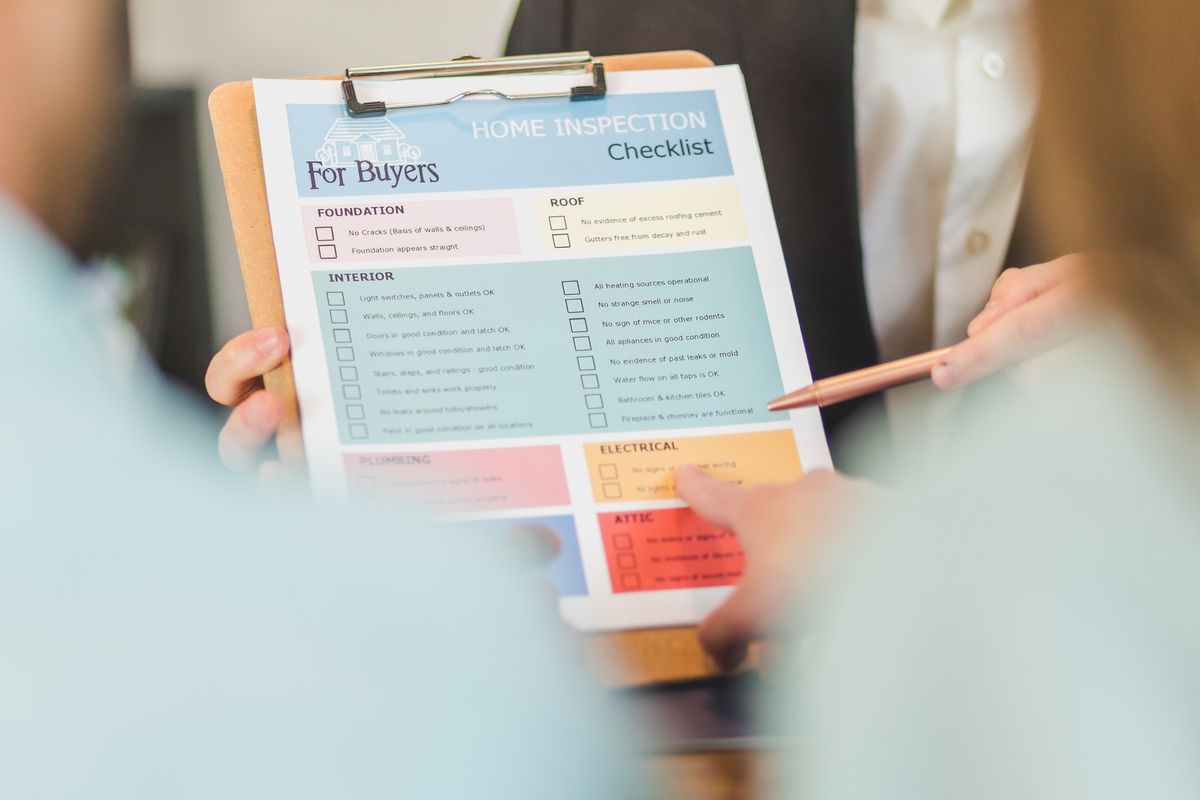
Focus on the big five: roof, foundation, electrical, plumbing, and HVAC. These cost five figures to fix. A 25-year-old roof isn't a dealbreaker, but it should be priced into your offer, and get quotes for everything the inspector flags before your contingency expires.
Verify the rent math independently. If the property is occupied, ask for the current lease and 12 months of rent receipts. If it's vacant, confirm market rent with a local property manager, not the seller's agent. And check for liens, code violations, and permit history with the city. A $200 title search and a phone call to the building department can save you from inheriting someone else's legal mess.
Step 7: Close and Place Your First Tenant
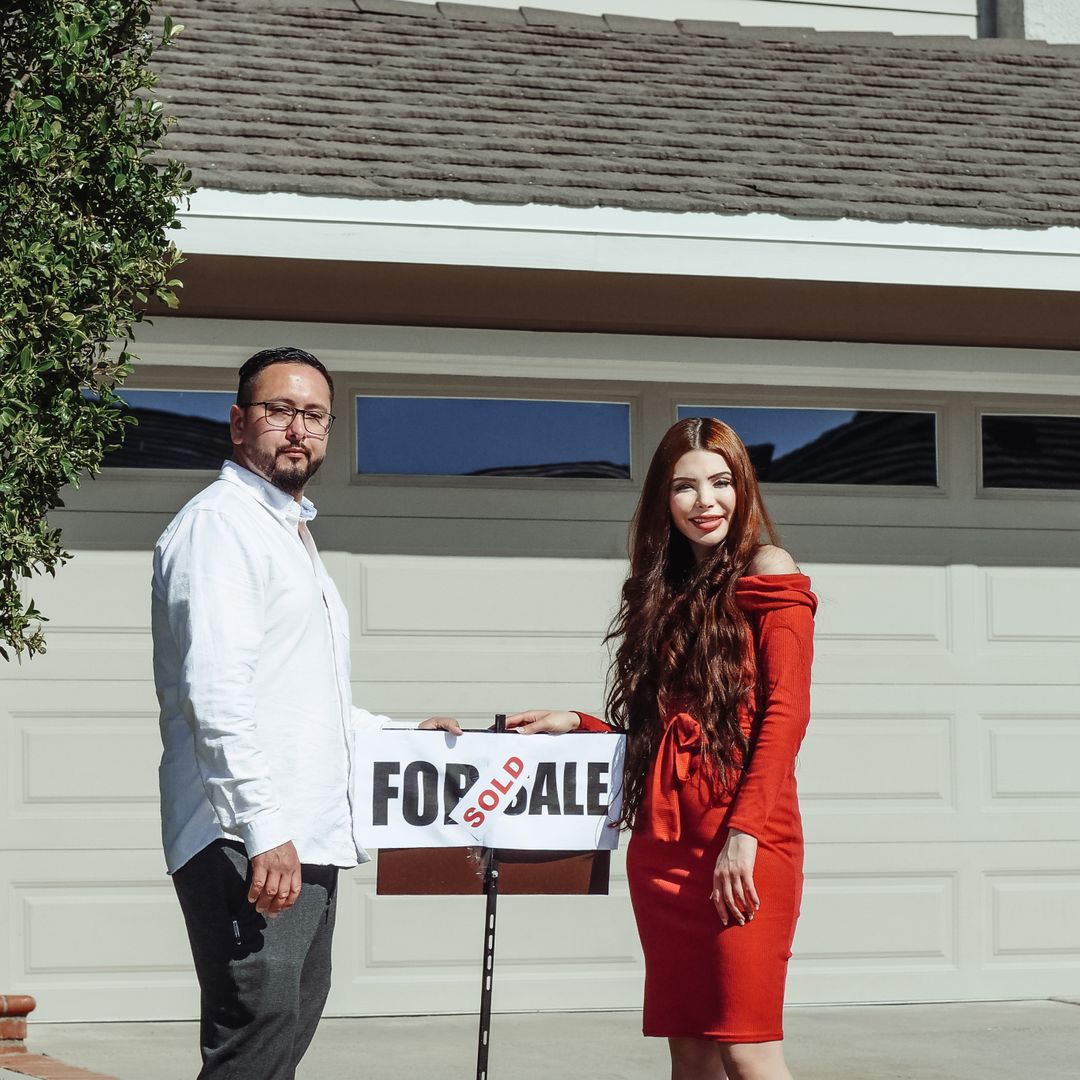
Closing day is mostly paperwork: signing the loan documents, wiring your down payment, and getting the keys. Review the closing disclosure line by line. Errors happen more often than lenders admit, and you won't get a second chance to catch a junk fee after you sign.
The week after closing, prepare the property for tenants. Deep clean, change the locks, handle safety basics like smoke detectors and handrails, and photograph everything. Those photos are your move-in condition record. They'll matter if there's ever a security deposit dispute.
Tenant screening is the highest-leverage activity in landlording. A great tenant pays on time; a bad one costs you months of rent and legal fees. Run credit and background checks, verify income (look for gross income around 3x rent), and call previous landlords. If that sounds like too much, that's fine: long-term rentals are semi-passive, not passive, and paying a manager 8-12% of rent is completely normal (source).

5 Mistakes First-Timers Make
1. Buying with no reserves. The number one deal-killer. One vacancy plus one repair with no savings turns an investment into a forced sale. Keep six months of reserves in a separate account, minimum.
2. Trusting the seller's numbers. Sellers present the rosiest version of every expense. Verify rents, taxes, insurance, and repair costs yourself. Build your spreadsheet on your research, not their brochure.
3. Skipping the inspection. It costs a few hundred dollars and regularly uncovers five-figure problems. Waiving it to win a bidding war is how you buy someone else's foundation crack.
4. Underestimating management. Self-managing sounds like free money until a plumbing call finds you on vacation. Budget for a manager or go in with open eyes about the time commitment.
5. Analysis paralysis. Some beginners analyze for two years and never buy. Set a deadline: analyze for 90 days, then make offers on anything that meets your criteria. A good deal bought beats a perfect deal imagined.
Relevant ads will appear here once AdSense is connected.
FAQ
How much money do I need to buy my first rental property?
House hacking with a low-down-payment loan typically needs $7,000 to $30,000; a classic 20%-down investment property needs $40,000 to $80,000. Keep six months of reserves on top for vacancies and repairs (source).
What is a good cap rate for a first rental property in 2026?
A cap rate of 5-8% is considered healthy for stable residential markets. Rates above 8% usually signal higher risk, such as rough neighborhoods or weak job markets. Always compare cap rates within the same city and property type (source).
Does the 1% rule still work in 2026?
It works as a quick screening filter, not a full analysis. Many 2026 markets fail it because prices have outrun rents. Use it to eliminate obvious losers, then run full cash-on-cash and cap rate math on what passes (source).
Should I buy a rental property or invest in REITs first?
REITs are simpler, more liquid, and need far less capital, a reasonable starting point while you learn. Direct rentals offer more control and leverage but demand cash, credit, and hands-on work. We compared both in REITs vs rental property.
Is rental property really passive income?
Not really. Long-term rentals are semi-passive at best: tenants, maintenance, and vacancies all need attention. Either self-manage or pay a manager 8-12% of monthly rent (source).
Can I buy a rental property with no money down?
True zero-down purchases are rare and risky. The realistic low-cash path is house hacking: buy a 2-4 unit property with an FHA loan at 3.5% down, live in one unit, rent the rest. You'll still need closing costs and reserves, so low down never means no cash needed.
Your Next Step: Run 10 Deals This Week
Reading this guide was the easy part. The investors who actually buy property start running numbers immediately. This week, pick one target market and screen ten listings with the 1% rule, then run full cash-on-cash math on the two best. You'll learn more from those ten analyses than from ten more articles.
When you're ready to go deeper, the Real Estate hub has our full library: financing breakdowns, market guides, and honest comparisons of every way to make money from property. Start with the house hacking guide if cash is your constraint, or REITs vs rentals if you're still deciding where your first dollars go.
Relevant ads will appear here once AdSense is connected.