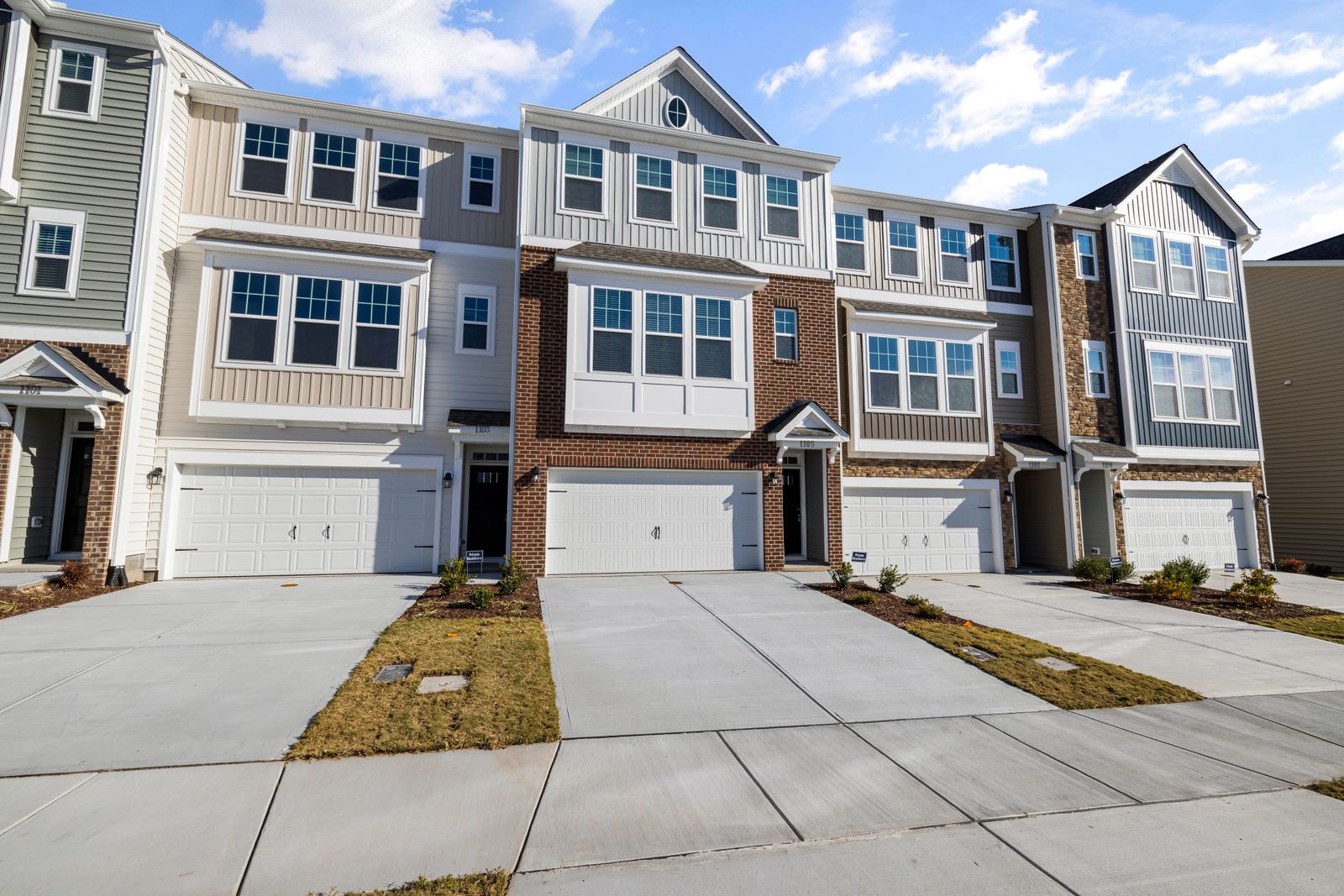
6 Real Estate Side Hustles That Need Zero Property (Start This Weekend)
You don't need a down payment to earn real-estate money. These six side hustles pay you from other people's property, and every one of them can be started in a single weekend.
Relevant ads will appear here once AdSense is connected.
I was 24 and couldn't afford a down payment on a toolshed, let alone a house. But I kept meeting people who made serious money in real estate without owning a thing. A friend ran twenty Airbnbs and owned none of them. Another guy shot house photos with a secondhand camera and cleared more than his day job paid.
That flipped something for me. Real estate isn't really about property. It's about transactions, and every transaction leaks money to the people who show up and do the work. This guide covers six real estate side hustles that need zero property, exactly who each one fits, what you can realistically earn, and the first steps to start this weekend. I checked every claim against real numbers, and I'll tell you where the ceiling is and where it gets boring.
Short-Term Rental Co-Hosting: Manage Airbnbs You Don't Own
Here's how it works. Someone owns a vacation rental but lives two hours away, or they're just tired of answering guest messages at midnight. You step in as the co-host: listings, pricing, guest communication, cleaners, restocking, the works. You take a cut of every booking, usually 15 to 25 percent of revenue. You never touch a mortgage, never furnish a unit, never pay insurance.
This is the highest-ceiling hustle on this list, because your pay scales with the revenue you manage. One well-run two-bedroom in a decent market can gross $2,000 to $3,500 a month, which puts your cut at $300 to $700 per property. Run five listings and you're looking at a real part-time income. Run fifteen and it replaces a salary.
Why now: short-term rental management typically costs owners 15-20% of gross revenue, which is exactly the fee window co-hosts operate in. It's the industry-standard rate, not a number you're inventing (PropCashFlow). And regulation is tightening in many cities: Amsterdam has a 15-night cap on entire-home rentals, and Paris, Berlin, Vienna, and Edinburgh have all moved to restrict short-term rentals (Travel and Tour World). Complicated rules are your friend here. Amateur landlords drown in them; a professional co-host who understands the local caps is worth every percentage point.
How to start
- Pick one local host. Search Airbnb in your area for listings with slow response times, blurry photos, or listings that clearly belong to an out-of-town owner.
- Offer one free month of co-hosting. Message them with specifics: their response time, three things you'd fix in their listing, and your plan. Specifics beat pitches.
- Deliver results that month. Faster responses, better photos, dynamic pricing. Track the before-and-after revenue so you have a case study.
- Convert them to a paid 20% contract and ask for a testimonial. Then take that testimonial to the next three hosts.
If you want the full picture on short-term rental economics, read our honest Airbnb guide for 2026 before you pitch your first host. You'll sound like you know the market, because you will.
Real Estate Photography: $150-$400 Per Shoot
Listing photos sell houses. A good set of photos gets more clicks, more showings, and faster offers, so agents happily pay $150 to $400 per shoot. A shoot takes about 45 to 90 minutes, plus an hour or two of editing. Two shoots a weekend is $300 to $800 in your pocket, which stacks up fast when your overhead is basically a camera and a car.
You don't need a $3,000 setup to start. A used DSLR or mirrorless camera, a wide-angle lens, and a cheap tripod will get you professional-looking results on day one. Honestly, a modern phone plus a clip-on wide-angle lens and free editing software can produce a portfolio that wins your first clients. Upgrade when the work pays for the gear, not before.
How to start
- Shoot ten spaces for free. Friends' apartments, your own place, a local coffee shop that lets you come in early. Edit them well. That's your portfolio.
- Build a simple one-page site or Instagram grid with those ten shoots. Agents judge you by what they see, not by your camera model.
- Walk into three local real estate offices and offer a free shoot for one of their listings. Small brokerages are friendlier than the big brands.
- Set your starter price at $150, raise it every ten shoots, and add floor plans, drone shots, or twilight exteriors as upsells.

Transaction Coordinator / Virtual Assistant: Get Paid Per Closing
Agents spend hours on paperwork: disclosures, contracts, inspection reports, escrow checklists. A transaction coordinator takes all of it off their plate, usually earning $300 to $500 per closed file. Close four files a month for one busy agent and you're at $1,200 to $2,000, entirely remote and entirely on your schedule.
This is the most beginner-friendly hustle here. You don't need a real estate license in most states for coordination work (you're handling paperwork, not negotiating deals), and the skills are learnable in a weekend: organization, email, checklists, and calm follow-up. Busy agents are desperate for reliable help. Flaky ones are everywhere; reliable ones are not.
How to start
- Learn the paperwork. Spend a weekend reading through sample contracts, disclosure forms, and closing checklists for your state.
- Set up an Upwork profile targeting real estate agents and brokerages. Mention checklists, deadlines, and transaction management specifically.
- Land your first two clients at a slightly lower rate in exchange for reviews. Reviews on Upwork compound fast in a niche this small.
- Build a simple system (a spreadsheet or a tool like Trello tracking every deadline per file) and sell that reliability, not just your time.

Pair this with a real-estate virtual assistant role: inbox management, listing updates, and calendar juggling. The same agent can become a $500 to $1,000-a-month retainer client. For the bigger picture on building wealth without buying property first, our Real Estate hub has the full strategy breakdown.
Property Scouting: Referral Fees for Finding Deals
Investors pay for leads. A "bird dog" finds distressed or off-market properties (overgrown lawns, boarded windows, vacant for months) and hands them to an investor, who pays $500 to $2,000 per deal that actually closes. You don't negotiate, you don't buy, you don't renovate. You spot the opportunity and connect the dots.
The classic method is "driving for dollars": you literally drive your own neighborhood, note addresses that look neglected, and look up the owners through public property records. Many owners of vacant houses are thrilled to hear from someone: they want out, they just don't know how to start. You pass the lead to a wholesaler or investor you've already connected with, and if they buy it, you get paid.
How to start
- Find two or three local real estate investors first. Search "we buy houses [your city]" and call them. Ask what kinds of deals they want and what they pay for closed referrals.
- Drive for dollars in your own neighborhood for one Saturday. Write down 20 addresses that look vacant or neglected.
- Look up owners through your county assessor's free online records. Send a short, polite letter or knock on a neighbor's door.
- Pass every warm lead to your investors the same week. Speed matters more than polish.

Storage & Parking Rental: The Laziest Income on This List
Got an empty garage bay, a parking spot, a driveway, a spare room, or even a backyard corner? Rent it out on platforms like Neighbor or Spacer for $50 to $300 a month per space. A renter parks their car or stores their boxes, and you do essentially nothing. This is the closest thing to passive income on this entire list, and it uses space you're already paying for.
The math is boring in the best way. One garage spot at $150 a month is $1,800 a year for maybe two hours of total effort. Two spots and a storage shelf can clear $400 a month. Urban and suburban areas with tight parking or expensive storage units do best: apartments, college neighborhoods, and city centers.
How to start
- Walk your property and list every rentable inch: garage, driveway, parking pad, attic, spare room, even a covered patio.
- Check what similar spaces list for on Neighbor or Spacer in your zip code. Price 10% under the nearest competitor for your first booking.
- Photograph the space clean and empty. Take the photo at the widest angle you can.
- Set your house rules once (access hours, no hazardous materials) and reuse them for every renter.

When your garage income covers a chunk of rent, you start thinking about housing costs differently. Our house hacking guide shows how to push that logic all the way to a $0 housing bill.
Notary Loan Signing Agent: $75-$200 Per Appointment
Every mortgage closing needs a human to witness signatures. As a notary loan signing agent, you travel to the borrower (their kitchen table, a coffee shop, their office) and oversee them signing a stack of loan documents, and earn $75 to $200 per appointment. Appointments take 30 to 60 minutes, and the signing services that schedule them often stack two or three in an evening.
The barrier to entry is real but simple: you get commissioned as a notary public in your state (usually a short application, background check, and a small fee), take a loan signing course so you know the documents, and register with signing services that send you jobs. Total startup cost is typically under $300, and motivated agents earn their first signing fee within weeks of certification.
How to start
- Get commissioned as a notary public. Google "[your state] notary application." Most states take 2 to 4 weeks.
- Take a loan signing agent course while you wait. The NNA (National Notary Association) certification is the industry standard.
- Sign up with signing services like Snapdocs and SigningOrder. These platforms feed you appointments automatically.
- Accept your first five jobs at market rate and over-deliver on communication. The schedulers remember who's reliable.
| Side Hustle | Startup Cost | Time to First $ | Difficulty (1-5) | Income Ceiling |
|---|---|---|---|---|
| STR co-hosting | $0 | 2-4 weeks | 3 | $5,000+/mo at scale |
| Real estate photography | $50-$500 | 1-2 weeks | 2 | $2,000-$4,000/mo part-time |
| Transaction coordinator | $0 | 1-3 weeks | 2 | $3,000-$5,000/mo |
| Property scouting | $0 | 1-3 months | 3 | $2,000-$6,000/mo (lumpy) |
| Space rental | $0 | 1-2 weeks | 1 | $100-$600/mo per property |
| Signing agent | $100-$300 | 3-6 weeks | 3 | $2,000-$4,000/mo part-time |
Relevant ads will appear here once AdSense is connected.
FAQ
Do I need a real estate license for any of these?
No, not for any of the six hustles as described here. Co-hosting, photography, coordination, scouting, space rental, and signing work all sit outside licensed activity in most states. If you ever start negotiating purchases for clients, that changes. Paperwork, photos, and referrals don't require a license.
Which real estate side hustle makes the most money?
Short-term rental co-hosting has the highest realistic ceiling, since 15 to 25 percent of revenue across a dozen listings can pass $5,000 a month. Transaction coordinating scales well too. But both need client trust and time to build. Scouting pays the biggest single checks, $500 to $2,000, though those checks are irregular.
How fast can I earn my first dollar?
Storage and parking rental can pay within a week of listing a space. Photography typically lands a first paid shoot in one to two weeks. Signing agent work takes longer, three to six weeks for commissioning and certification, but starts immediately after. Scouting is the slowest because you only get paid when a deal closes.
Can I do these with a full-time job?
Yes. Every hustle on this list was chosen for that. Co-hosting is messages and checklists you handle on your phone. Photography fits weekends. Coordination is asynchronous. Signings happen evenings and weekends by design. Space rental asks nothing of you at all.
Do I need startup money?
Four of the six cost essentially nothing to start: co-hosting, coordinating, scouting, and space rental. Photography can start with a phone and a clip-on lens. Only the signing agent path has a real cost: the notary commission, supplies, and course typically run $100 to $300 total.
What's the catch nobody mentions?
Two things. First, none of these are passive at the start. They trade your time for money, just without the property. Second, you're dependent on other people's assets: an investor who stops buying ends your scouting income, and an Airbnb host who sells ends your co-host cut. The fix is the same for both: keep building the client base, never depend on one.
Your Move: Pick One, Start Saturday
Here's what I'd actually do if I were starting from zero today. List your parking spot or garage on Neighbor this weekend. That money starts flowing while you build something bigger. Then spend your evenings pitching Airbnb co-hosting to one local host. One free month, real results, then a paid contract. Within six months you could have space-rental money on autopilot and a co-hosting client paying you a cut of someone else's property every single month.
The property will come later, if you even want it. Plenty of people in this industry never buy and never miss it. The money was never in the walls. It was in the work nobody else wanted to do. Go be the person who does it.
Relevant ads will appear here once AdSense is connected.