Is Airbnb Still Worth It in 2026? The Honest Short-Term Rental Guide
City after city is rewriting the rules on short-term rentals, but the numbers can still work if you buy in the right place and know the mid-term pivot.

Relevant ads will appear here once AdSense is connected.
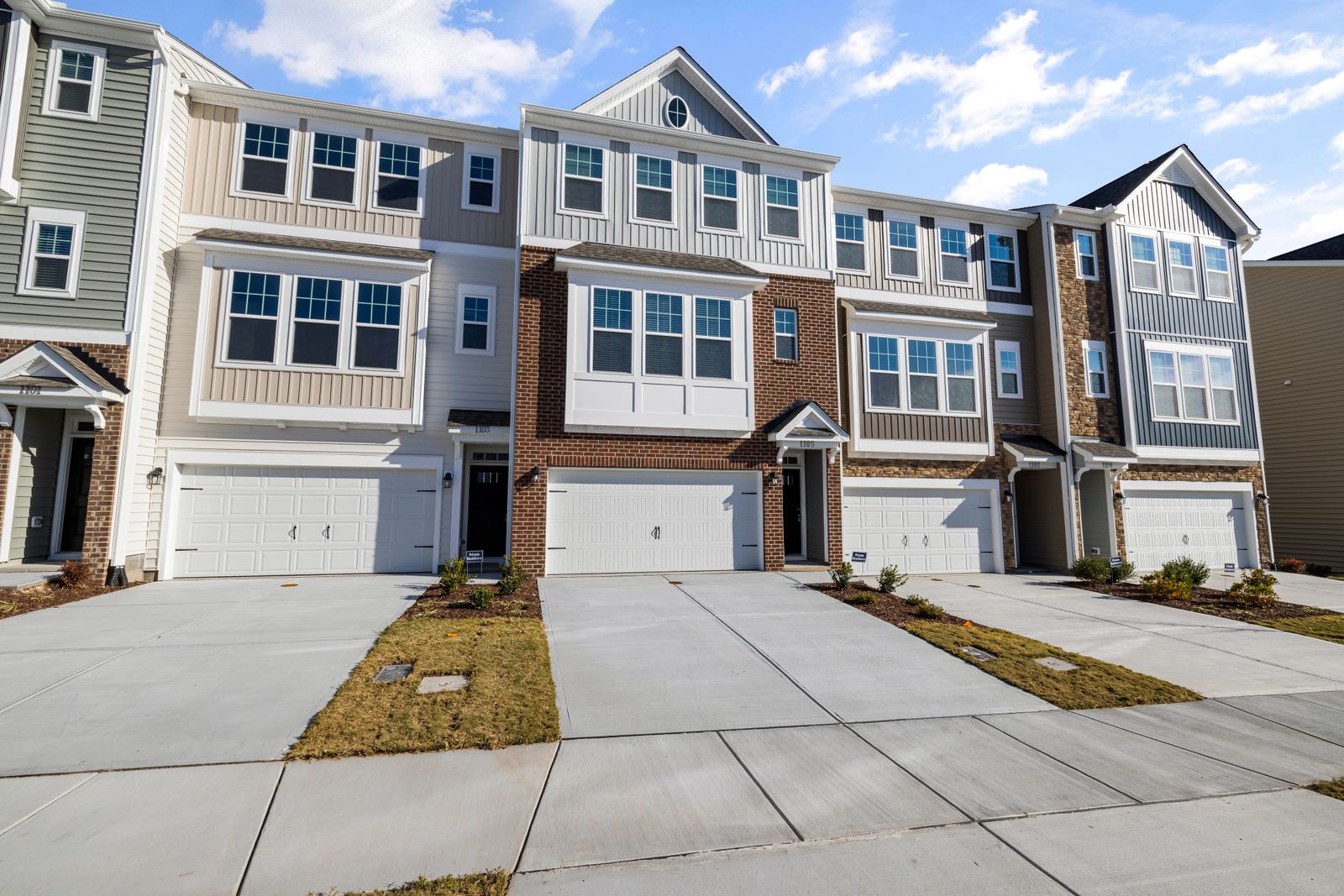
This spring I ran the numbers on a $285,000 one-bedroom condo near my city center. Comparable Airbnbs were pulling $130 to $150 a night, and the unit needed about $12,000 in furniture to look the part. On paper, at 70% occupancy, it grossed just over $3,000 a month. I was halfway through drafting an offer when I checked the city ordinance page.
Turns out the city capped non-owner-occupied STRs at 90 nights a year, required a $450 annual permit, and was voting that summer on dropping the cap to 30 nights. My spreadsheet went from a 9% gross yield to something a savings account would beat. I walked away, glad I checked before signing instead of after.
That is short term rental investing in 2026 in a nutshell. It is not dead. But it is no longer a game you can play blind. This guide walks through what has actually changed, what the math looks like when you do it honestly, and the mid-term rental pivot that a lot of smart hosts are using instead.
The Short Answer: It Depends on Your City Now
So, is Airbnb still worth it in 2026? Sometimes, and the "sometimes" is almost entirely about location. In cities with strict night caps and active enforcement, returns have been squeezed hard enough that many listings quietly convert to long-term leases. In tourist-heavy markets with permissive rules, well-run STRs can still gross roughly 1.5 to 2 times the same unit's long-term rent.
What changed is that the platform is no longer the deciding factor. Your city's rulebook is. Two identical condos, one in a regulated district and one in a permissive one, can have wildly different returns even with the same nightly rate and the same occupancy. Before you fall in love with a property, fall in love with its zoning code.
Competition has also professionalized. Operators with five or more units dominate many markets now: better photos, faster responses, dynamic pricing. A spare room with a futon does not cut it anymore. That is not a reason to quit; it is a reason to be deliberate.
The 2026 Regulation Wave, City by City
If it feels like every city is cracking down at once, that is because they basically are. Housing shortages have pushed local governments to treat short-term rentals as part of the problem, and enforcement keeps getting sharper: platforms now share data with tax authorities in several countries.
Amsterdam cut its short-term rental cap from 30 nights to just 15 nights per year, effective April 1, 2026, in high-demand districts. Paris, Berlin, Vienna, and Edinburgh have rolled out similar crackdowns, each with their own mix of night limits, registration requirements, and fines for unlicensed listings (Travel and Tour World).

Spain went further and hit Airbnb itself with a €65 million fine over unlicensed vacation rentals. Notably, around 70% of the properties under investigation were run by professional firms operating five or more units, and regulators are clearly aiming at commercial-scale operators, not the occasional spare-room host (Mighty Travels).
Greece launched electronic audits in March 2026 through its tax authority (AADE), cross-checking platform data against owners' tax returns. Hosts who underreported can now be taxed on gross platform revenue rather than profit (CreteTip). And Cape Town has proposed reclassifying high-use short-term rentals (those with more than 50% annual room-night availability) as commercial property, which would mean significantly higher property rates (REI).
The pattern is consistent: night caps, registration schemes, heavier taxes, data-sharing with tax authorities. None of this kills STR investing. It just makes buying in an unresearched city reckless.
The Real Math of a Short-Term Rental
Most STR "gurus" show you gross revenue and stop there. Let us do the full thing. Take a $285,000 one-bedroom condo in a mid-size tourist city, bought with 20% down ($57,000) and a 7% mortgage. You furnish it for $12,000. Here is a realistic month at 70% occupancy and a $140 average nightly rate.
Gross revenue: 21 booked nights × $140 = $2,940. Now the costs beginners miss. Platform host fees run about 3% (~$88). Cleaning: roughly 7 turnovers a month at $90 each = $630, partly offset by guest cleaning fees. A management company charges 15-20% of gross, so budget $500 even at the low end. Add utilities and internet ($180), STR insurance ($120), consumables ($100), and 5% for vacancy and maintenance ($147).
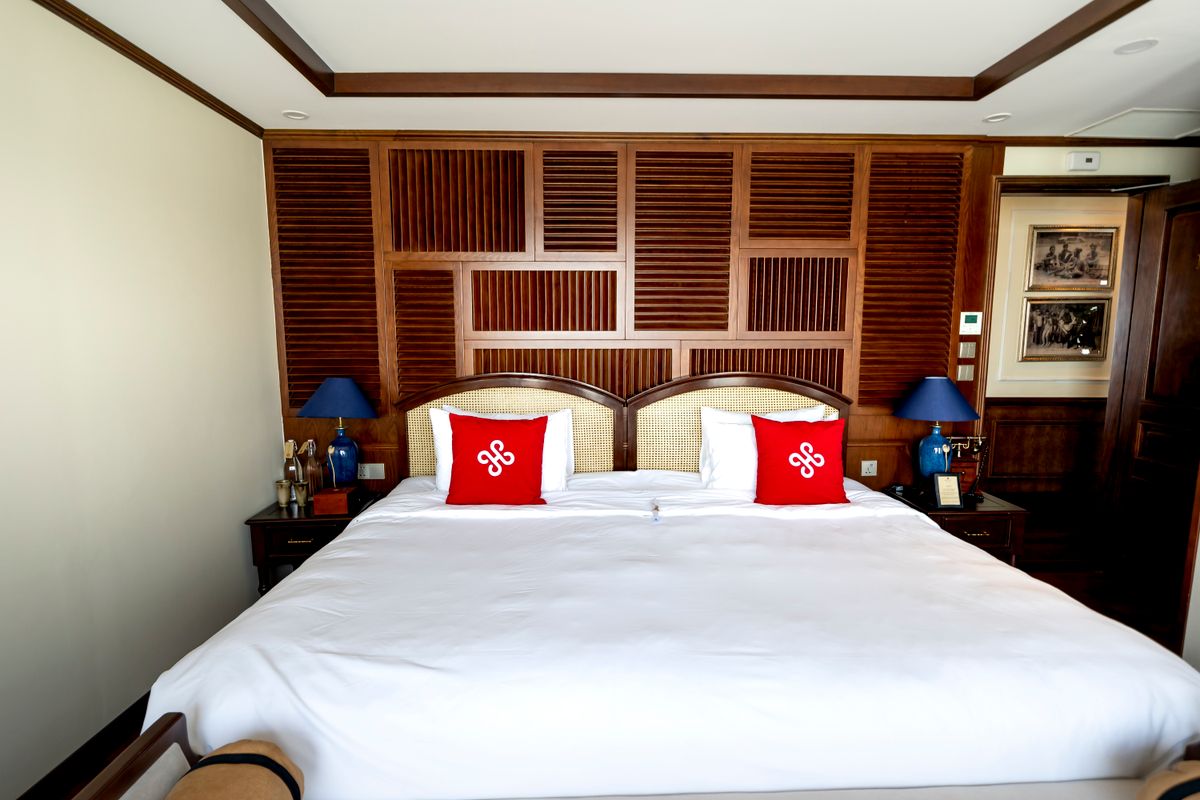
That leaves roughly $1,175 before the mortgage. The mortgage payment on $228,000 at 7% is about $1,517 a month, plus property tax and HOA which might add another $350. Suddenly the property is cash-flow negative by a few hundred dollars a month on a unit that looked like a winner at the gross-revenue stage. Bump occupancy to 80% or the nightly rate to $165 and it flips positive. That sensitivity is the whole story: STR returns swing wildly on small changes in occupancy and rate.
For a sense of what healthy STR markets look like, well-located Bangkok condos report gross yields of 5-7%, nightly rates of THB 1,500-4,000, occupancy of 60-75%, and management costs of 15-20% of gross (PropCashFlow). Notice that management alone eats up to a fifth of revenue, which is why so many hosts self-manage at first, and why so many burn out by month six.
If you are still at the buying stage, our beginner's guide to buying your first rental property walks through financing, inspections, and the numbers that matter before you sign. The STR math only works on top of solid purchase math.
The Mid-Term Rental Pivot
Here is the move more hosts are making: target 30-day-plus stays instead of nightly guests. Mid-term rentals (MTR) sit in a sweet spot. In most cities, 30-day stays fall outside STR ordinances entirely: no night caps, no permits, often no tourist taxes. You keep most of the revenue premium over long-term leases with a fraction of the turnover work.
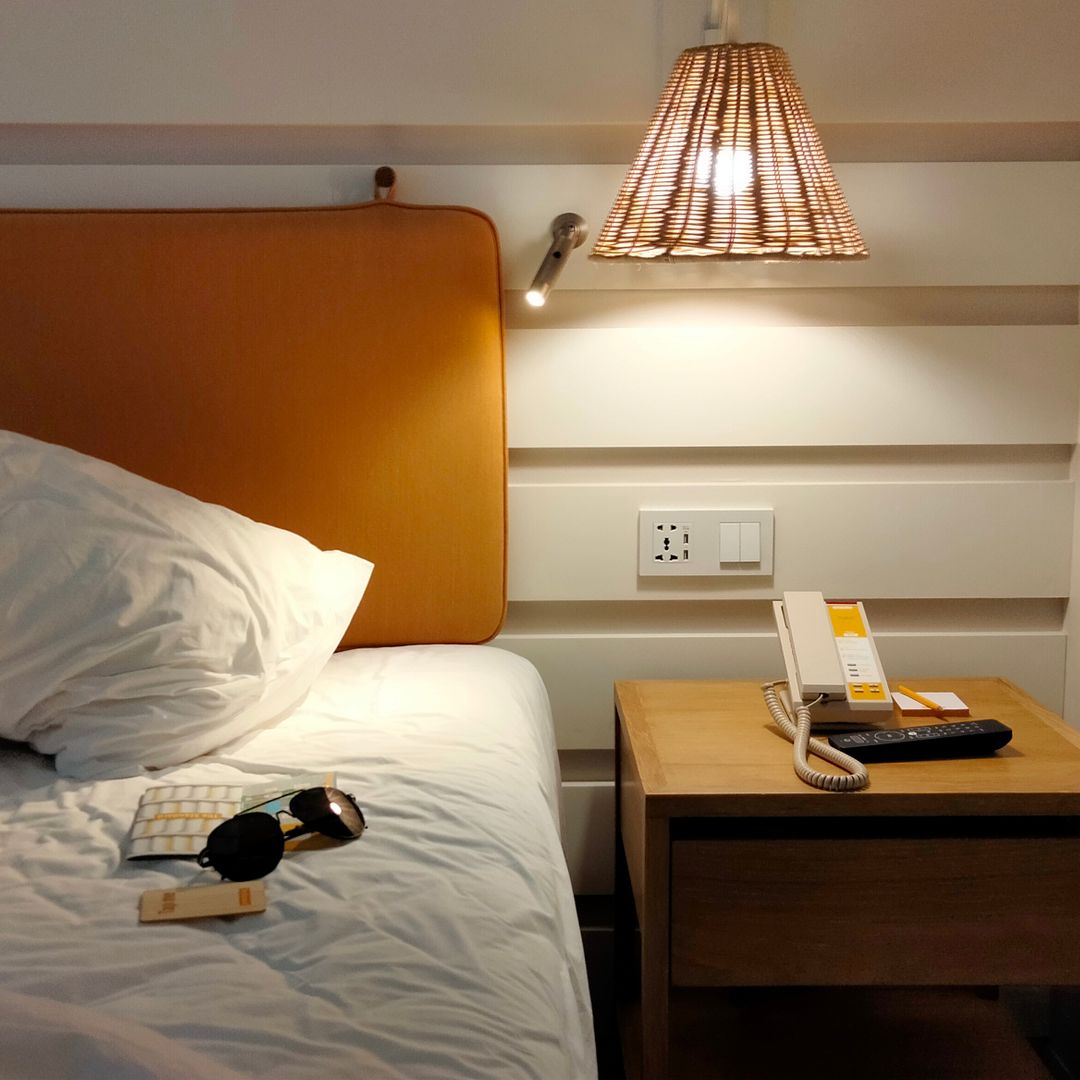
Who actually rents for a month or three? Traveling nurses and medical contractors on 13-week assignments. Families relocating for work who need a place while they house-hunt. Insurance-displaced homeowners whose house is being repaired. Digital nomads who move slowly. Corporate project workers. These are not price-sensitive weekend tourists — they are people who need a functional home, and they will pay for one.
The economics are kinder than they look. A unit earning $140 a night as an STR might rent for $2,200 a month as a mid-term furnished rental, less than the $2,940 STR gross, but with one turnover a month instead of seven, near-zero vacancy, and no 15-20% management fee. Net cash flow often lands in the same ballpark, with far less work.
This is not theoretical. In Mississauga, Canada, short-term rentals are banned in secondary (non-principal-residence) properties, but 30-day mid-term stays remain a legal and workable strategy for investors there (Guestable). The same pattern repeats in regulated cities worldwide: the night-cap rules target nightly turnover, and the 30-day stay walks right past them.
How to Check Your City's Rules Before Buying
Do this before you make an offer. It takes an afternoon and it is the highest-ROI research in real estate.
Step 1: Find the actual ordinance
Search your city's municipal code for "short-term rental" or "transient occupancy." Look for night caps per year, whether non-owner-occupied STRs are allowed at all, and registration or permit requirements with their fees. Some cities cap the total number of permits citywide; if the waitlist is years long, that market is closed to newcomers regardless of what the nightly rates look like.
Step 2: Check the HOA and the building
City law is only half the battle. Many condo HOAs ban rentals under 30 days in their CC&Rs, and HOA rules can be stricter than city law. Read the HOA documents for the specific building you are considering. A city can allow STRs while your building forbids them.
Step 3: Map the tax picture
Find out which taxes apply: transient occupancy or hotel taxes (often 10-15% on top of your rate), local business licenses, and income tax reporting rules. Greece's 2026 audit wave is a warning: assume the platform will share your earnings data with the tax authority eventually, and keep clean books from day one.
Step 4: Read the direction of travel
Pull up the last year of city council meeting minutes and search for "short-term rental." If members are debating stricter caps, that is your forecast. Our Real Estate hub has more on evaluating markets before committing capital.
Markets Where STR Still Works
Regulation is local, which means opportunity is local too. The markets still working in 2026 share a few traits: genuine tourist or business-traveler demand, rules that are clear and stable (even if strict), and purchase prices that make the math work.
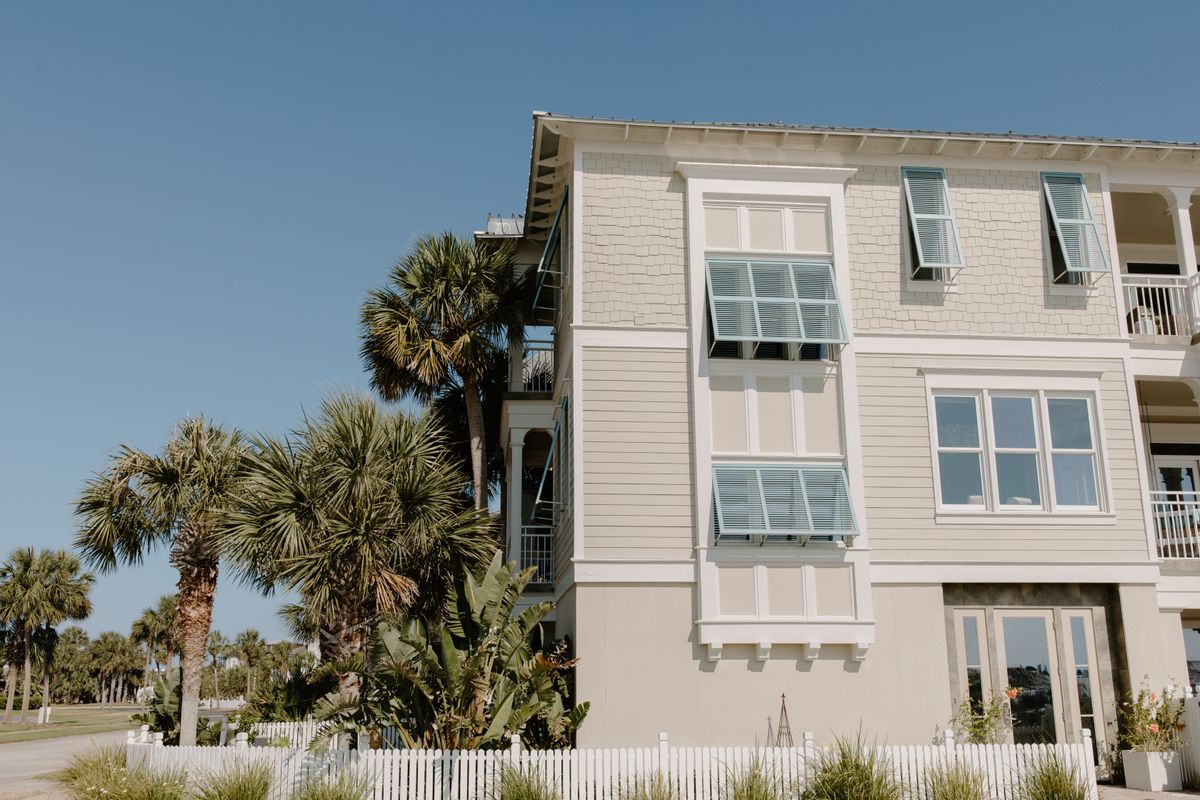
Southeast Asia remains one of the more forgiving regions. Bangkok's well-located condos deliver 5-7% gross yields with 60-75% occupancy at nightly rates of THB 1,500-4,000, solid numbers by global standards, with management at 15-20% of gross (PropCashFlow). Tourist cities in the region with lighter regulatory regimes offer a similar profile, though foreign ownership rules vary and deserve their own research.
Closer to home, look for vacation towns with established tourist economies and explicit STR frameworks: licensed resort zones, not residential neighborhoods fighting back. Near national parks, ski areas, and beach towns, the local economy depends on visitors, so the rules tend to stay stable.
And do not overlook the mid-term angle in expensive cities. A furnished one-bedroom near a major hospital or corporate campus, rented to traveling professionals at 30-day minimums, can outperform a nightly STR in a capped market while sidestepping the entire regulatory fight. If you want income from real estate without buying at all, our real estate side hustles guide covers six ways to start with zero property.
Exit Options If the Rules Change
Every STR investor in 2026 needs a Plan B written down before buying. Regulations change, and Amsterdam proved a 30-night cap can become a 15-night cap in a single policy cycle. Here are your realistic exits, ranked.
Option 1: Pivot to mid-term rentals
Often the best first move. Switch your minimum stay to 30 days, re-list on platforms serving longer stays (Furnished Finder, Airbnb monthly stays, corporate housing sites), and adjust furnishings for longer-stay guests. You keep a revenue premium over long-term leases with minimal repositioning cost.
Option 2: Convert to long-term rental
The boring, reliable fallback. Remove the furniture (or sell it), sign a 12-month tenant, and accept lower gross revenue in exchange for near-zero effort and minimal regulation risk. This is why the golden rule exists:
Option 3: Sell
If neither pivot works for the numbers, sell. Furnished STR-ready units often sell at a small premium to investors who want a turnkey setup, especially in markets where permits are grandfathered to the property. Just know that a regulatory crackdown can cool buyer demand at exactly the moment you want out — another reason to buy with a margin of safety.
| Rental type | Typical gross yield | Effort level | Regulation risk | Best for |
|---|---|---|---|---|
| Short-term (nightly) | Highest gross, often 1.5–2× long-term rents | High: turnovers, guest messages, dynamic pricing | Highest in cities: night caps, permits, fines | Tourist zones with clear, stable STR rules |
| Mid-term (30–90 days) | Moderate: below STR gross, above long-term | Medium: one turnover a month, steadier guests | Lower: usually exempt from night-cap rules | Near hospitals, corporate hubs, nomad-friendly cities |
| Long-term (12 months) | Lowest gross, steadiest income | Low: one tenant, minimal turnover | Minimal | Regulated cities and hands-off investors |
Relevant ads will appear here once AdSense is connected.
FAQ
Is Airbnb still profitable in 2026?
It can be, but the easy money is gone. In markets with stable, permissive rules and real tourist demand, well-run listings still gross well above long-term rents. In cities with tight night caps, many hosts say margins are too thin to justify the work. Profitability in 2026 is a local question, not a platform question.
Which cities have cracked down on short-term rentals?
Amsterdam cut its cap from 30 to 15 nights per year in high-demand districts starting April 2026, and Paris, Berlin, Vienna, and Edinburgh have all tightened rules. Spain fined Airbnb €65 million over unlicensed listings, Greece began cross-checking platform data against tax returns in March 2026, and Cape Town proposed taxing high-use STRs as commercial property.
What is a mid-term rental?
A furnished rental with stays of 30 days or longer, typically aimed at traveling nurses, relocating families, corporate workers, and digital nomads. Because most STR ordinances only cover stays under 30 days, mid-term rentals sidestep night caps and permit schemes in many cities while keeping much of the revenue premium over long-term leases.
How much do Airbnb management companies charge?
Typically 15-20% of gross revenue for full-service management (listings, guest communication, cleaning coordination, maintenance). In Southeast Asian markets like Bangkok, 15-20% is the standard range. Self-managing saves that fee but costs significant time, so budget the fee in your spreadsheet even if you plan to do it yourself at first.
Can I still do Airbnb if my city restricts it?
Operating outside the rules risks fines that can wipe out years of profit; Spain's €65 million fine against the platform shows how seriously regulators now take enforcement. The legal alternatives are getting a proper permit where available, switching to 30-day mid-term stays, or converting to a long-term rental.
Short-term vs long-term rental: which is better in 2026?
Short-term offers higher gross revenue but much higher effort and regulatory risk. Long-term offers lower, steadier income with minimal hassle. For most new investors in 2026, the sweet spot is often the middle path: a mid-term rental strategy, or an STR in a market you have verified has stable rules, bought at a price that also works as a long-term rental if regulations tighten.
Should You List Your First Property This Year?
If you take one thing from this guide, make it this: short term rental investing in 2026 rewards the investor who does the homework, not the one who moves fastest. Pick a market with clear, stable rules. Run the math at conservative occupancy with management costs included. Make sure the property works as a mid-term or long-term rental if the rules change. Do those three things and STRs can still be one of the best-yielding strategies in real estate. Skip them and you are gambling, not investing.
Relevant ads will appear here once AdSense is connected.