Short-Term Rental Direct Bookings: The 2026 Playbook
Vrbo moves every host to 12 percent commission on October 29. On a $1,000 booking that is $120, up from $50. Here is how short-term rental direct bookings build a channel that keeps that money with you.
The short answer: Vrbo moves every host to 12 percent commission on October 29, 2026, up from about 8 percent for pay-per-booking hosts and 5 percent for managers with a property system. On a $2,000 booking that is $240 instead of $160. Build a direct booking channel, so guests book through your own site, where you keep the fee.
Key numbers at a glance
- 12 percent Vrbo commission from October 29, 2026, up from about 8 percent for pay-per-booking hosts and 5 percent for system-connected managers
- $120 on a $1,000 booking under the new rate, against $50 under the old system-connected rate, a $70 gap per booking
- $134 Vrbo fee on a $1,120 booking, against about $33 in Stripe fees direct, a saving close to $90 per booking
- 57.4 percent average US occupancy for 2026 in AirDNA's July midyear outlook, with nightly rates rising just 2.8 percent
- 10 percent direct bookings in the first season, 25 percent by the second, and half within two years, the pace the article recommends
- $35 to $80 a month for a booking tool for a single property, plus Stripe at about 2.9 percent plus 30 cents per payment
- $3,500 a year is what the $70 gap per booking becomes across fifty bookings, when Vrbo's fee on a $1,000 booking rises from $50 to $120.
- 20 to 30 percent of the calendar is what hosts who consistently work their guest list report filling from it within two years, at zero platform commission.
- 1,760 dollars a year on 40 Vrbo bookings is the extra cost of the new 12 percent rate against the old pay-per-booking rate: about 134 dollars against about 90 dollars on a 1,120 dollar booking, a 44 dollar gap times 40 bookings, for nothing new in return.
- 10 to 15 direct bookings a year to break even is the guide's math for a single property: a booking tool runs roughly 400 to 900 dollars a year plus about 2.9 percent plus 30 cents per card payment through Stripe, against 12 percent on every Vrbo booking.
Last reviewed: October 2026.
On October 29, a quiet line item in your Vrbo payouts gets bigger. If you host on Vrbo without a property management system, your commission jumps from roughly 8 percent to 12 percent. If you run a property management system, it jumps from 5 percent to 12 percent. Nobody sends you a cake for this. The platform just takes a bigger slice of every booking, starting with stays that check in after that date.
Here is why it matters more than the 4 percent sounds. Short-term rental margins are already thin in 2026. AirDNA's July midyear outlook puts average US occupancy at 57.4 percent for the year, with nightly rates rising just 2.8 percent. You are not making it up on volume. Every point of commission comes straight out of profit, because your mortgage, your cleaner, and your insurance do not get cheaper when Vrbo changes its terms.
I have watched hosts react to platform fee hikes the same way for years. Some rage-quit the platform and lose half their bookings. Some absorb the fee and quietly earn less. The hosts who come out ahead do a third thing: they keep the platform for discovery and build a direct channel for repeat and referral guests. That is what this guide covers, step by step, with real numbers.
What actually changes on October 29
Rate parity is the rule that your Vrbo rates, fees, and availability must be at least as good as on your other channels, including your own website.
Vrbo is collapsing its fee structure into one number. Until now, hosts paid different rates depending on how they connected: about 8 percent for pay-per-booking hosts (5 percent commission plus 3 percent payment processing) and 5 percent for hosts connected through a property management system. From October 29, everyone pays 12 percent. On a $1,000 booking, a system-connected manager goes from $50 to $120. That is the number to remember, because it is the number your direct channel has to beat.
There is a second change that matters more than the fee itself. Vrbo's new host terms require your rates, fees, and availability on Vrbo to be at least as good as on your other channels, including your own website. In plain terms, you cannot just list a cheaper price on your own site and keep the same Vrbo listing. Hosts who try to quietly undercut Vrbo risk delisting. So the direct booking game is not about a lower headline price. It is about perks, terms, and guest relationships that a platform cannot match.
Airbnb, for comparison, still charges hosts a 3 percent host-only fee on most listings, with guests paying the service fee. That gap is why some hosts are shifting inventory toward Airbnb right now. But Airbnb can change its terms too, and it has its own rules. The durable answer is the same either way: own a channel nobody can reprice on you.
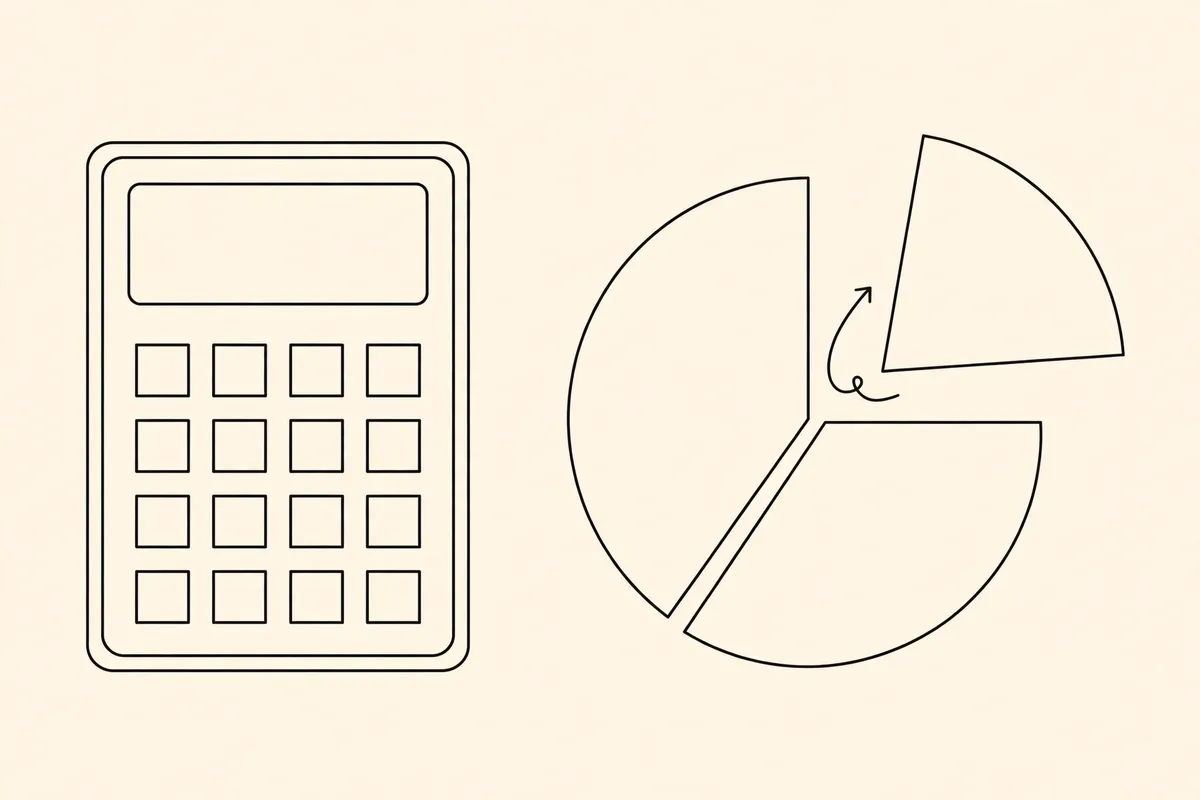
How do you do the math on your own listing?
| Channel | Fee on a $1,120 booking |
|---|---|
| Vrbo, old pay-per-booking rate (about 8 percent) | About $90 |
| Vrbo, new rate (12 percent) | About $134 |
| Direct booking (Stripe) | About $33 plus a share of the monthly tool fee |
Before you build anything, run your own numbers. They take five minutes and they decide how urgent this is for you.
Take a typical booking for your place. Say a four-night stay at $250 a night, plus a $120 cleaning fee, for a $1,120 total. Under Vrbo's old pay-per-booking rate of about 8 percent, you paid roughly $90. Under the new 12 percent, you pay about $134. That is $44 more per booking. If you do 40 Vrbo bookings a year, that is $1,760 a year, gone, for nothing new in return.
Now compare that with the cost of a direct channel. A booking tool like OwnerRez or Lodgify runs roughly $35 to $80 a month for a single property, and Stripe charges about 2.9 percent plus 30 cents per payment. On that same $1,120 booking, Stripe takes about $33. So a direct booking costs you around $33 plus a share of the monthly tool fee, versus $134 on Vrbo. The saving per booking is close to $90. Ten direct bookings a year covers the tool and then some.
Do not stop at the fee math. Add the guest fee side too. Vrbo still charges guests a service fee on top of your rate, which makes your listing look more expensive than the same stay booked direct. When a guest compares, the direct price often wins even before you add a perk. And repeat guests are the cheapest bookings you will ever get: no platform commission, no new listing photos, no guessing about house rules. They already know the place.
One honest warning: direct bookings do not replace platform discovery in month one. Most new guests still find you on Airbnb or Vrbo. The plan is a slow shift, not a cold-turkey quit. Aim for 10 percent direct in the first season, 25 percent by the second, and half within two years. That pace keeps occupancy up while the fee savings compound.
Build Your Short-Term Rental Direct Booking Site in a Weekend
A booking engine is the tool that gives you a hosted booking page, a calendar, automated messages, and a payment flow, and connects to Airbnb and Vrbo.
You do not need a web designer. You need four things: a simple site, a booking engine, a payment processor, and a calendar that stays in sync with your platform listings.
For the booking engine, the tools most small hosts use are OwnerRez, Lodgify, and Hospitable. They give you a hosted booking page, a calendar, automated messages, and a payment flow, and they connect to Airbnb and Vrbo through iCal or direct API sync. If you already have a Squarespace or WordPress site, you can embed their booking widget instead of building a second site. Pick one tool and stick with it. Hosts who run two systems end up double-booked, and a double booking costs more than any fee you save.
For payments, Stripe is the default for a reason. It handles cards, Apple Pay, and Google Pay, and it deposits to your bank on a rolling schedule. Set it to collect a deposit at booking (30 to 50 percent is normal) and the balance 14 to 30 days before arrival. That schedule protects you from last-minute cancellations and gives you cash flow that platforms hold back until after check-in.
Calendar sync is the part you cannot skip. Connect your direct calendar to Airbnb and Vrbo so a booking on any channel blocks the dates everywhere else. Test it before you go live: make a test booking on your own site, watch the platform calendar close, then cancel the test. A host in my circle skipped this test and double-booked a holiday weekend. The refund, the apology, and the bad review cost ten times what the fee savings were worth that month.
Keep the site itself simple. Five pages are enough: home with photos, the property, rates and availability, house rules, and contact. Use the same photos as your platform listing, but add three things platforms bury: a local guide, a clear cancellation policy, and a phone number or email for questions. Guests book direct when they feel they are dealing with a real person, not a checkout form.
Turn Platform Guests Into Direct Booking Guests, Legally
Here is the part most guides dance around. You cannot message an Airbnb or Vrbo guest before their stay and tell them to cancel and rebook direct. That breaks platform rules and can get you removed. What you can do is earn the second booking.
After a guest checks out, the relationship is yours. A short thank-you email, a local guide they can keep, and a small reason to come back direct is fair game. The best-performing version I have seen is simple: a card left in the property with a QR code to the host's own site and a line like "Book direct next time and get late checkout free." Late checkout costs you nothing on an empty day and is worth more to a guest than a 5 percent discount.
Build the email list from every stay, with permission. A simple signup at checkout ("Get our seasonal rates and open weekends first") turns one-time guests into a list you own. Send four emails a year: spring openings, a summer weekend gap, a fall rate, and a holiday offer. Hosts who do this consistently tell me 20 to 30 percent of their calendar fills from the list within two years, and those bookings carry zero platform commission.
One wrinkle to know: Vrbo's updated terms let it claim commission on a direct booking that follows a Vrbo inquiry within 30 days, so the cleanest direct conversions are repeat guests from past stays, not fresh inquiries you divert off the platform. When in doubt, let the platform earn its fee on the first booking and win the second one direct.
Local partnerships fill the rest. A wedding venue, a hospital with traveling staff, a company with visiting clients, and a fishing guide all send people who need a place to stay. Offer them a simple referral: a standing 10 percent discount code for their guests. That is still cheaper than Vrbo's 12 percent, and it brings guests who never search a platform at all.Do not forget search. A Google Business Profile for your rental, with photos and reviews, puts your direct site in front of people searching your town plus "vacation rental." It is free, it takes an hour, and it is the one marketing asset no platform can take away from you.

Payments and trust without a platform badge
Guests trust Airbnb and Vrbo because the platform holds the money and mediates disputes. When you go direct, you have to replace that trust yourself, and it is easier than most hosts expect.
Start with payments. Stripe, or a booking tool's built-in payments, gives guests card protection and gives you fraud screening. Add a clear cancellation policy in plain language, and put it on the booking page, not buried in an email. Guests accept strict policies when they can read them before paying. They hate surprises after.
Next, damage protection. You have three options, and most hosts use two at once: a refundable damage deposit (often $300 to $500, authorized not charged), a damage waiver fee ($30 to $60 per stay, non-refundable), or a short-term rental insurance policy. The waiver fee is popular because guests prefer a small known fee to a large hold on their card. Whichever you pick, state it at booking and photograph the property between stays. Photos are your dispute evidence.
Identity checks matter too. Ask for the lead guest's full name and a phone number, and use your booking tool's verification step if it offers one. For longer stays, a simple rental agreement, signed online, is normal and expected. It should cover occupancy limits, quiet hours, smoking, pets, and what happens if the guest breaks something. Keep it to one page. Nobody reads four pages, and a one-page agreement you actually enforce beats a long one you never do.
Finally, answer fast. Platform guests are used to instant booking. A direct inquiry that sits unanswered for a day is a lost booking. Set up automated replies for the first message ("Thanks for asking, here is availability and the total") and answer real questions within a few hours. Speed is the trust signal that replaces the platform badge.

Rules still apply, and they changed this year too
A direct booking site does not exempt you from local rules. If anything, it makes compliance more important, because you no longer have a platform checking your registration number for you. October 2026 brought a wave of rule changes worth knowing before you spend money on a site.
New York's Local Law 18 remains the cautionary tale. A study released in October 2026 found the city's short-term supply sits roughly 80 percent below where it would have been without the law, and more than three quarters of pre-law listings have left Airbnb, with many switching to stays of 30 nights or more. If your city is debating a similar law, a direct site does not save you. A 30-night minimum stay strategy, the mid-term rental pivot, might.
Elsewhere the news cuts both ways. Atlanta dropped its residency cap in a 9 to 5 vote in October 2026, with enforcement of the new rules starting January 2027. Spain's Royal Decree-law 26/2026 adds 10 percent VAT on stays up to 30 nights and lets cities add property tax surcharges up to 150 percent. Maui's planning commission recommended denying most exemptions under its phaseout bill. Cape Town's draft by-law would require city registration numbers on every listing. The pattern is clear: cities are trading blunt caps for registration, taxes, and data sharing. Registration is a cost, but it is a cost you can plan for. A ban is not.
Before you build, check three things for your exact address: whether short-term stays are allowed at all, whether you need a permit or registration number, and whether your HOA or condo rules ban them. Call the planning office if the website is unclear. Ten minutes on the phone beats a fine, and it beats building a booking site for a property you cannot legally rent short-term.

Price it right under the parity rule
Vrbo's parity term means your Vrbo rate, fees, and availability must be at least as good as elsewhere. That sounds like it kills direct pricing. It does not, if you compete on the total stay instead of the nightly rate.
Keep the nightly rate the same everywhere. Then make the direct stay better in ways a platform cannot copy: free late checkout, a welcome basket, a mid-stay clean on stays over five nights, or a waived cleaning fee on a repeat booking. A $40 welcome basket that costs you $15 beats a $40 discount, because the guest remembers the basket and forgets the discount.
Watch your seasons too. AirDNA's 2026 numbers show rates doing the heavy lifting while occupancy sits near 57 percent. That means pricing discipline matters more than filling every night. A host who drops rates 20 percent to fill a slow week often loses money twice: lower revenue and a guest who expects that rate next time. Use minimum stays instead of discounts for slow weeks, and open your calendar for gaps early. KeyData's autumn 2026 data showed October and November pacing behind last year while December ran ahead, so discount the soft weeks early and protect the strong ones.
One more pricing lever: length. A guest who books seven nights direct costs you one cleaning, one check-in, and one set of messages. The same seven nights as separate platform bookings cost three of each. Offer a weekly rate on your direct site that reflects that saving. It is honest, it fills gaps, and it is the kind of offer platforms make hard to show.

Your 30-day direct booking launch plan
Week one: run your fee math, pick a booking tool, and connect Stripe. Put the booking page live even before the full site is pretty. Week two: build the five pages, sync calendars with Airbnb and Vrbo, and run the double-booking test. Week three: add the thank-you card and QR code to the property, set up the guest email signup, and create your Google Business Profile. Week four: email past guests with a direct offer for an open weekend, and ask two local businesses about a referral code.
Measure three numbers each month: share of bookings that came direct, commission saved versus the old platform rate, and repeat guest rate. If direct share is rising and occupancy is steady, the plan is working. If occupancy drops, you moved too fast. Turn platform listings back up and slow the shift. The goal is a second channel, not a gamble on one.
Vrbo's fee change is annoying, but it is also useful. It puts a price on something hosts used to treat as free: the guest relationship. Platforms rent you guests. A direct channel means you own them. October 29 is a good deadline to start, because every booking after it costs 12 percent until you do.
The bottom line
The bottom line: keep the platform for discovery and build the direct channel for repeat and referral guests. Do not quit cold turkey in month one, because most new guests still find you on Airbnb or Vrbo, and the slow shift protects occupancy while the fee savings compound.
Play by the parity rule: Vrbo requires your rates, fees, and availability there to be at least as good as on your own site, so win direct guests with perks, terms, and relationships, not a lower headline price. A card in the property offering free late checkout on the next direct booking costs nothing on an empty day and is worth more to a guest than a small discount.
Before you go live, test the calendar sync with a real test booking and watch the platform calendar close, then cancel it. A double-booked holiday weekend costs far more in refunds, apologies, and reviews than the fee savings were worth that month, and Vrbo can claim commission on a direct booking that follows a Vrbo inquiry within 30 days, so the cleanest conversions are repeat guests from past stays.
The guest list is the cheapest direct channel and the one most hosts neglect. A card in the property with a QR code and a free late checkout offer costs nothing on an empty day, and a standing 10 percent referral discount for past guests is still cheaper than Vrbo's 12 percent while bringing in guests who never search a platform at all. Do that consistently and 20 to 30 percent of the calendar fills from people you already served, which is the only direct traffic that compounds without ad spend.
Start direct with repeat guests, because they are the cleanest conversions. Vrbo's updated terms let it claim commission on a direct booking that follows a Vrbo inquiry within 30 days, so a past guest returning on your own site avoids that trap, and a standing 10 percent referral discount for their guests is still cheaper than Vrbo's 12 percent. Do not drop rates 20 percent to fill a soft week: you lose revenue twice, once on the discount and once on the guest who expects that rate next time, so discount the soft weeks early and protect the strong weeks instead.
Frequently asked questions
Can Vrbo really stop me from offering a cheaper price on my own site?
Under the new host terms, your Vrbo rates, fees, and availability must be at least as favorable as on other channels. Hosts who undercut Vrbo openly risk warnings or delisting. The safe route is equal nightly rates plus direct-only perks like late checkout, a welcome basket, or a waived cleaning fee for repeat guests.
Do I still need Airbnb and Vrbo at all?
Yes, at least at first. Platforms are still where most new guests discover rentals. Think of them as paid advertising that also handles booking. The goal is to shift repeat and referral guests direct over one to two years, not to quit discovery cold and watch occupancy fall.
What does a direct booking site cost per year?
A booking tool runs roughly $400 to $900 a year for one property, plus about 2.9 percent plus 30 cents per card payment through Stripe. Compare that with Vrbo's 12 percent on every booking. Most single-property hosts break even after 10 to 15 direct bookings a year.
How do I handle damage without Airbnb's cover?
Use a damage waiver fee or a refundable deposit, photograph the property between stays, and keep a one-page rental agreement. For bigger protection, a short-term rental insurance policy covers liability and damage beyond the deposit. The combination replaces most of what platform cover provided.
What if my city bans short-term rentals?
A direct site does not override local law. If your city requires registration, register. If it caps nights or bans short stays, look at the mid-term option: stays of 30 nights or more for traveling workers, which many cities treat differently. Check your exact address with the planning office before investing.
For the full background, read our short-term rental guide for 2026, which covers regulation city by city, our mid-term rental strategy for the 30-night pivot, and our first rental property guide if you are still deciding whether to buy in a market where rates sit above 6 percent.
October 2026 update: If you are weighing direct bookings against starting from scratch, read our new rental arbitrage guide for 2026, which runs the full profit math, including the 12% Vrbo fee, for a unit you lease rather than own. The cleaning and pricing lessons in that guide apply to owned units too, especially the 3 night minimum rule that protects your margin.
Want more practical guides like this?
Browse all 80 guides across 10 categories, no fluff, no paywall.
Browse all guides →Explore Real Estate guides