Faceless YouTube Channels in 2026: The Honest Math on AI Videos That Pay
No camera, no face, no filming yourself. Faceless channels are real businesses, but most of the "passive income" advice about them is fiction. Here are the actual RPM numbers, the real costs, and a 90-day plan that works.
Relevant ads will appear here once AdSense is connected.
I spent three months running a faceless YouTube channel as an experiment. No face on camera, no filming, just stock footage, a voiceover, and editing. It made $1,847 in ad revenue in its best month. It also taught me that nearly everything the gurus say about "AI passive income" is either outdated or a lie.
So let me give you the honest version. Faceless YouTube channels are real, they can pay well, and AI tools have made production dramatically faster. But the channels that earn are not the ones mass-producing low-effort slideshows. They are the ones treating YouTube like a media business: original scripts, real research, quality editing, and a niche with advertiser money behind it.
This guide covers what faceless YouTube actually is in 2026, the real RPM numbers by niche, what the workflow costs, the monetization rules that kill lazy channels, and a realistic 90-day plan.
What "Faceless" Really Means
A faceless channel is any YouTube channel where the creator never appears on camera. The video might use stock footage, animations, screen recordings, text overlays, or AI-generated visuals, paired with a voiceover, either your own voice, a hired voice actor, or AI narration.
The popular formats: explainer documentaries ("How Singapore Became Rich"), listicles and countdowns, true crime narration, personal finance explainers, history deep-dives, Reddit story readings, and screen-recorded tutorials. What they share is that the value lives in the script and the editing, not in a personality on screen.
Here is what most tutorials skip: faceless does not mean effortless. The channels earning $5,000+ a month are producing 10 to 15-minute videos with genuinely good scripts, pacing, and sound design. A slideshow with a robot voice and stock photos is not a business. It is spam, and YouTube treats it accordingly.
Does YouTube Actually Pay Faceless Channels?
Yes, with conditions. YouTube's Partner Program pays faceless channels exactly like face channels, as long as the content is original. The bar is 1,000 subscribers and 4,000 watch hours in 12 months (or 10 million Shorts views in 90 days), plus compliance with the advertiser-friendly guidelines.
The condition that kills most lazy channels is the "repetitious content" and "reused content" policy. If your videos are just stock clips with minimal commentary, or you are re-uploading other people's content with an AI voice over it, YouTube will deny or remove monetization. Original scripts, original narration, and meaningful editing are the price of admission.
Once monetized, the math is straightforward: revenue equals views times RPM divided by 1,000. RPM is revenue per mille, what YouTube pays you per thousand views after its 45% cut. And RPM varies wildly, which brings us to the numbers that actually matter.
Real RPM Numbers by Niche
RPM is the single biggest lever in this business. A million views at a $2 RPM earns $2,000. A million views at a $20 RPM earns $20,000. Same work, ten times the money. Industry data for 2026 puts long-form RPMs roughly like this:
| Niche | Typical Long-Form RPM | Competition |
|---|---|---|
| Personal finance / investing | $12–$35 | Very high |
| Business / entrepreneurship | $10–$25 | High |
| Technology / software | $8–$20 | High |
| Health / fitness | $6–$15 | Medium |
| True crime / mystery | $5–$12 | Medium |
| History / geography | $4–$10 | Medium |
| Motivation / luxury | $3–$8 | Very high |
| Gaming / entertainment | $2–$6 | Extreme |
These ranges come from creator-reported data aggregated across 2026; your actual RPM depends on your audience's country, the season (Q4 advertisers pay more), and how long people watch. Shorts are a different universe: Shorts RPMs sit around $0.02 to $0.10, meaning Shorts are a discovery tool, not an income tool.
The takeaway: niche selection is a financial decision. A finance channel with 50,000 monthly views can out-earn a gaming channel with 500,000. Pick a niche where advertisers spend money and where you can sustain 50+ video ideas without repeating yourself.
The AI Production Workflow, Step by Step
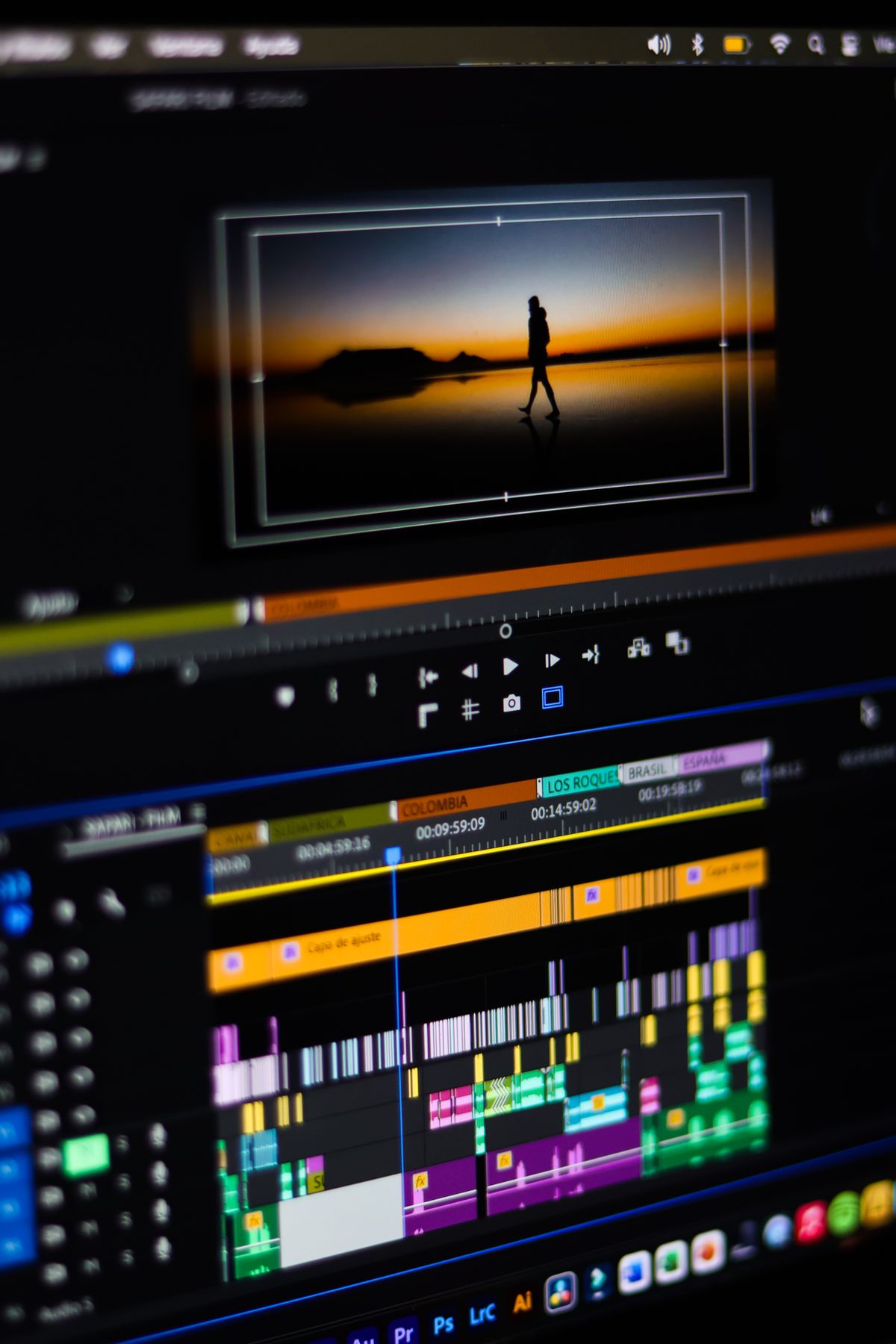
Here is the workflow behind a typical 12-minute video, the format that earns best:
1. Research and scripting (2 to 3 hours)
This is the step you cannot outsource to a button. Read three to five sources, find the angle nobody else covered, and write a script with a hook in the first 30 seconds. AI chatbots are useful as research assistants and first-draft writers, but the final script needs your judgment: pacing, jokes, opinions, and facts you have actually verified.
2. Voiceover (30 to 60 minutes)
Record it yourself for best results, or use a quality AI voice service if your accent or setup does not work. Either way, edit the audio first: remove breaths, normalize levels, add slight compression. Bad audio makes viewers leave in seconds.
3. Visuals (2 to 4 hours)
Stock footage libraries (Storyblocks, Artgrid, or free Pexels/Pixabay clips), simple motion graphics, maps, charts, and text overlays. AI image generators can fill gaps for concepts stock libraries lack. The rule: a visual change every 3 to 5 seconds to hold attention.
4. Edit and package (2 to 3 hours)
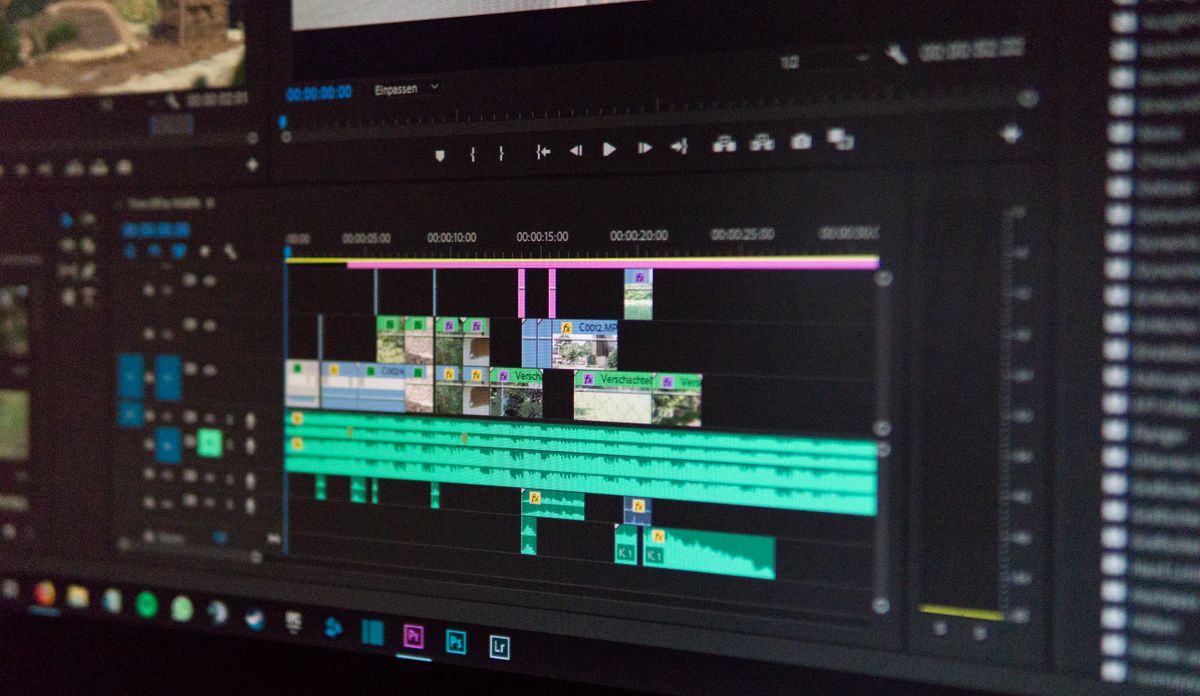
Assemble in CapCut, Premiere, or DaVinci Resolve. Add background music at low volume, sound effects on transitions, and captions. Then the thumbnail and title, which deserve a full hour: they decide whether anyone clicks at all.
Total per video: 8 to 12 hours for a quality long-form piece. Anyone promising you "10 videos a day with AI" is selling a course, not a channel.
What It Actually Costs Per Month
The honest budget for a serious faceless channel:
Free-to-cheap tier ($0 to $30/month): CapCut or DaVinci Resolve (free), Pexels/Pixabay stock (free), your phone as a mic or a $40 USB mic one-time, free AI voice trials. Totally viable for starting.
Professional tier ($50 to $120/month): a stock footage subscription ($20 to $30), a quality AI voice plan if you use one ($20 to $40), an AI image generator tier ($10 to $20), and music licensing ($10 to $15). This is where channels that publish weekly usually land.
Notice what is missing: no course, no "channel automation" guru program, no $997 mastermind. The tools are cheap. The expensive input is your time.

The 90-Day Launch Plan
Days 1 to 14: foundation. Pick your niche using the RPM table above. Study the top 20 channels in it: note their video length, title patterns, thumbnail style, and upload frequency. Write scripts for your first five videos before publishing anything.
Days 15 to 45: publish and learn. Upload two videos a week. Do not obsess over views yet; obsess over retention graphs. YouTube Studio shows exactly where viewers leave. If 60% leave in the first 30 seconds, your hooks are broken, not your niche.
Days 46 to 90: double down. By now you have 15 to 20 videos and real data. Find your best retention video and make five more like it. Improve one thing per video: pacing, thumbnails, titles. Most channels that eventually monetize see their first traction in months three to six, not week two.
What Gets Faceless Channels Demonetized
Reused content: compiling other creators' clips, reading Reddit posts verbatim with stock footage, or re-uploading viral videos with minor changes. YouTube's review team catches this, and appeals rarely succeed.
Misleading AI content: undisclosed synthetic content, especially anything resembling real people or events, can trigger removals. YouTube now requires disclosure of realistic AI-generated content. Label it.
Advertiser-unfriendly topics: excessive profanity, graphic true crime details, and controversial politics limit or kill ads even when the video stays up. Know the line for your niche before you build on it.
The pattern: YouTube pays for original value. Every shortcut that removes your original contribution also removes your monetization.
Stacking Revenue Beyond Ads
Ad revenue is just the base layer. Faceless channels stack well because the audience trusts the information, not a personality:
Affiliate links: finance channels link brokerages, tech channels link software. One good affiliate program can match ad revenue. Disclose everything.
Digital products: a $29 Notion template, spreadsheet, or guide linked in every description. This is where channels with small but loyal audiences quietly make more than ad revenue. Our Etsy digital products guide covers the product side in depth.
Sponsorships: at 50,000+ monthly views in a valuable niche, sponsors pay $500 to $2,000 per integrated mention. Faceless channels get these too; sponsors buy the audience, not your face.
For more ways to build income around content skills, see our UGC creator guide or browse the full Earning & Side Hustles hub.
Relevant ads will appear here once AdSense is connected.
FAQ
Can faceless YouTube channels be monetized in 2026?
Yes. YouTube's Partner Program accepts faceless channels that meet the standard thresholds (1,000 subscribers and 4,000 watch hours, or 10 million Shorts views) and publish original content. Channels built on reused clips or minimal-effort compilations are rejected under the repetitious and reused content policies.
How much do faceless YouTube channels make per 1,000 views?
Long-form RPMs in 2026 typically range from $2 to $15 depending on niche, with finance and business niches reaching $12 to $35. Shorts pay far less, around $0.02 to $0.10 per thousand views. Niche selection matters more than view count for total earnings.
How long does it take to monetize a faceless channel?
Most channels that reach monetization do it in 4 to 9 months of consistent publishing (1 to 2 quality videos per week). Channels publishing daily low-effort content often take longer or never qualify, because watch time and retention matter more than upload count.
Do I need to show my face or use my real voice?
Neither is required. Many successful channels use AI narration or hired voice actors. That said, human-recorded voiceover typically earns better retention and passes monetization review more smoothly. Your face never needs to appear.
What is the best niche for a faceless channel in 2026?
The best niche combines high advertiser spending with your ability to produce 50+ original videos. Personal finance, business, and technology pay the highest RPMs ($8 to $35) but are competitive. Underserved angles within big niches, like finance for freelancers or tech history, often win faster than head-on competition.
How much does it cost to start a faceless YouTube channel?
You can start at $0 with free editing software, free stock footage, and your phone as a microphone. A professional setup with stock subscriptions, quality AI voice, and music licensing runs $50 to $120 a month. The real cost is 8 to 12 hours of production time per quality video.
The Honest Verdict
Faceless YouTube is a real business with real math: pick a high-RPM niche, publish original well-edited videos weekly, and give it six months. Expect $0 for the first few months, a few hundred a month around month six, and real income only if your retention data says viewers actually stay.
It is not passive, it is not overnight, and AI does not remove the work, it just moves it from filming to scripting and editing. If that trade sounds good to you, start this weekend. Your first twenty videos are tuition. For more income models built on content, explore the Earning & Side Hustles hub.
Relevant ads will appear here once AdSense is connected.