How to Become a UGC Creator in 2026: From $75 Videos to $5K Retainers
Brands pay everyday people, not influencers, for authentic-looking videos. Here is the real rate card, the platforms that matter, and how to land your first paid deal without a single follower.
Relevant ads will appear here once AdSense is connected.
I filmed my first paid brand video on a Tuesday morning in my kitchen. The product was a $22 water bottle. The brand paid me $90 for a 30-second video they ran as an ad for four months. My Instagram had 212 followers at the time, and the brand never asked about them. Not once.
That was the moment the whole "you need a big audience to earn from content" story fell apart for me. UGC, short for user-generated content, is a different business. Brands are not buying your reach. They are buying your face, your kitchen, your hands, and your ability to look like a real customer on camera. The video goes on their page, in their ads. Your follower count is irrelevant.
I have now worked with 40+ brands, raised my rates five times, and watched friends turn this into full-time income. This guide is everything I wish someone had handed me at the start: real 2026 rates, the exact setup, where clients hide, and the pricing formula that separates $75 creators from $1,500 creators.
What a UGC Creator Actually Does
A UGC creator makes photos and short videos that look like real customer content, and sells them to brands for ads, product pages, and social posts. That is the whole job. The brand sends you the product (or pays you to buy it), you film a 15 to 60-second video in your home, you send the file, you get paid.
This is not influencing. An influencer rents out their audience. A UGC creator rents out their production skills. When a skincare brand pays you $200 for a "get ready with me" style video, they are going to run it as a paid ad to their audience. You could have zero followers and still get the gig, because the ad runs from the brand's account.
Why are brands spending this money? The math favors them. According to Autovirality's 2026 creator guide, UGC reads as 2.5x more authentic than branded content, and 79% of consumers say it influences their purchase decisions. A polished studio ad costs a brand $5,000 to $20,000 to produce. Your $200 kitchen video often converts better. Brands figured this out, and the UGC marketing industry is now valued at over $6 billion globally.
What Brands Pay in 2026
Let me give you the numbers straight, because vague "it depends" answers help nobody. These are the market rates documented across creator platforms in 2026:
Beginners (first 3 months): $50 to $150 per short video. At 5 to 10 videos a month, that is $250 to $1,500 a month. Not life-changing, but real money for filming in your living room.
Intermediate (3 to 12 months): $150 to $300 per video once you have a portfolio and a few repeat clients. Creators at this stage report $2,250 to $6,000 a month, per data from Earning A Living Online's 2026 UGC income breakdown.
Experienced (12+ months): $300 to $500+ per video before usage rights. Add licensing fees and a single video can total $500 to $1,000. Creators with two or three retainer clients report $5,000 to $12,000 a month.
The Starter Kit (Under $100)
You already own the expensive part: a smartphone made in the last four years shoots good enough video. Everything else is cheap.
The non-negotiables
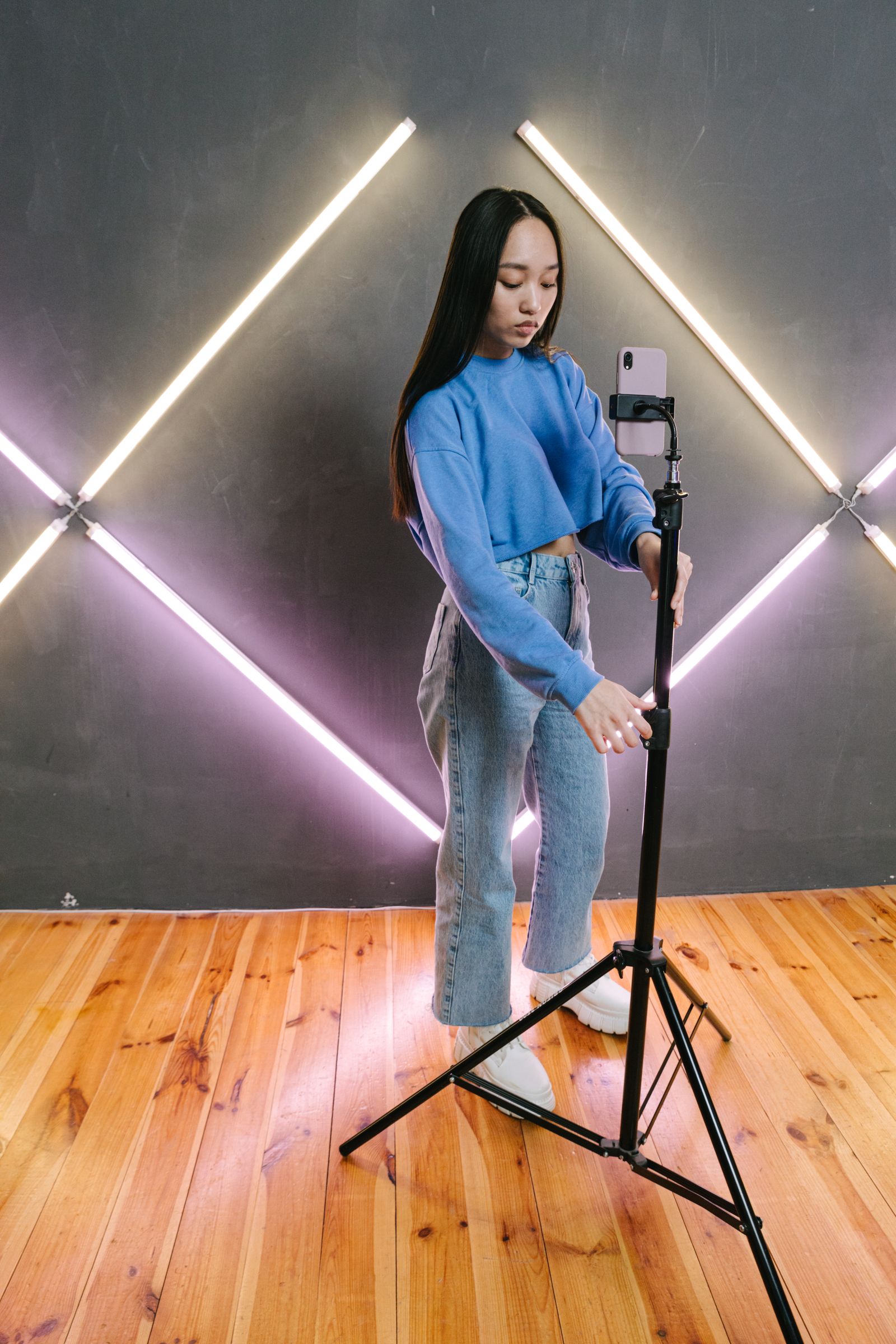
A tripod ($15 to $25). Shaky handheld footage screams amateur. A basic phone tripod fixes 80% of quality complaints instantly.
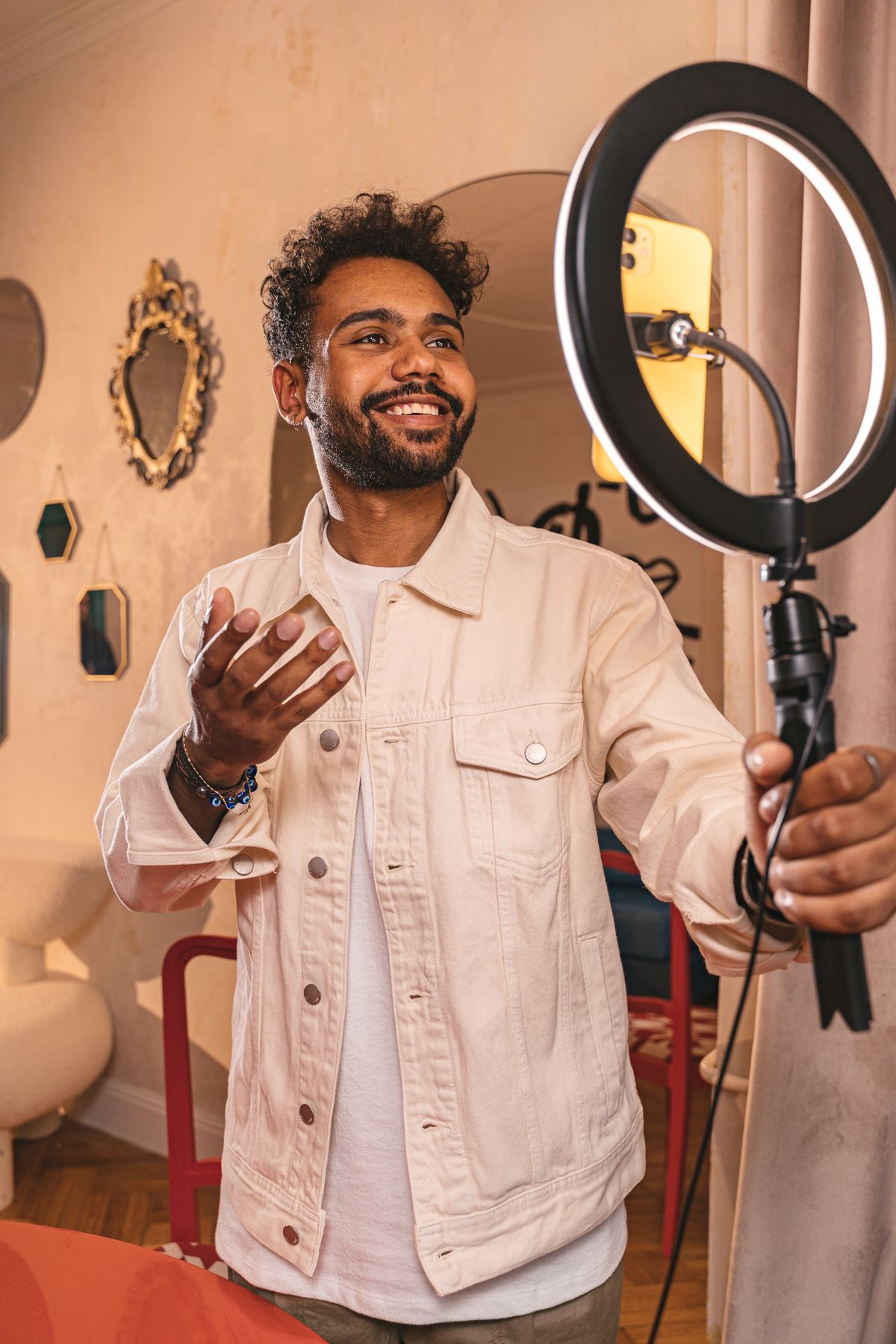
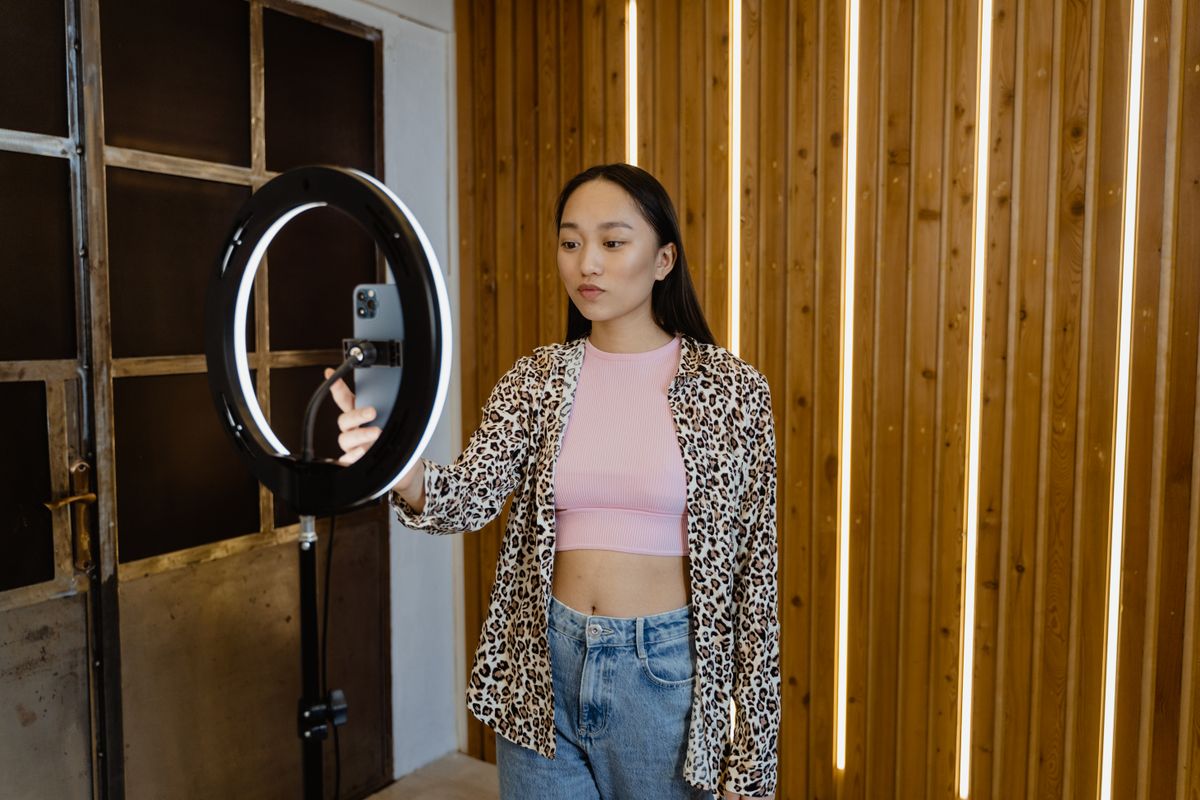
A ring light ($20 to $35). Good lighting matters more than a good camera. Film facing a window during the day and you can skip this at first, but a ring light makes evening filming possible, and brands love fast turnaround.
A quiet room. Free. Turn off the fan, close the window, put your phone on airplane mode. Bad audio kills more videos than bad visuals.
Nice to have later
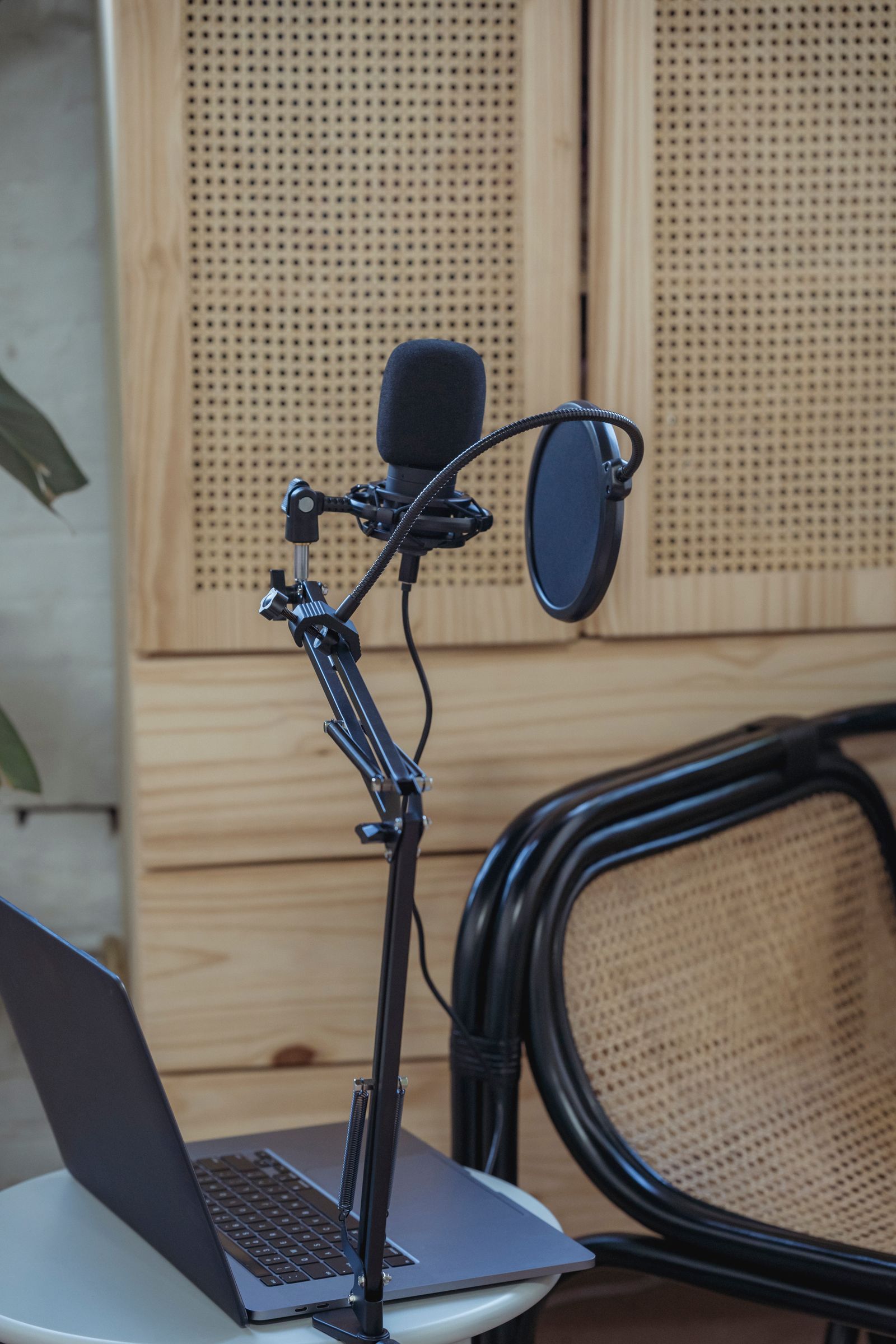
A $20 lavalier mic that plugs into your phone, a $10 phone holder arm for overhead shots (perfect for unboxings and cooking videos), and a free editing app like CapCut. That is the entire professional setup. I know creators earning $8,000 a month with exactly this kit.
Building a Portfolio With Zero Clients
Here is the chicken-and-egg problem: brands want to see past work, but you have no past work. The fix is spec ads. Pick five products you already own, a moisturizer, a snack, a phone case, anything, and film a 30-second ad-style video for each one as if the brand hired you.
Make them genuinely good. Script a hook for the first three seconds ("I stopped buying $40 serums after trying this"), show the product in real use, and end with a natural call to action. Cut them in CapCut, add captions (85% of social video is watched on mute), and post them on a TikTok or Instagram account dedicated to your UGC work.
This portfolio account is your resume. When a brand asks for samples, you send one link. Five strong spec videos beat fifty mediocre ones, and this takes one focused weekend.
Where Your First Brand Deal Hides
There are three hunting grounds, and beginners should use all three at once.
UGC platforms (fastest first wins)
Marketplaces where brands post briefs and creators apply: Billo, Insense, JoinBrands, Trend.io, Aspire, and Cohley. Rates are lower because you are competing with other beginners, but your first three to five paid videos will almost certainly come from here. Treat these as paid training.
Cold outreach (highest paying)
Find small DTC brands on Instagram or TikTok with under 50K followers. These brands need content but cannot afford agencies. DM or email the founder directly with one specific idea: "I love your candle line. I filmed a 20-second concept for your fall scent, want to see it?" Attach the spec video. Personalized outreach with a sample converts 10x better than "I do UGC, hire me" spam.
Posting your work publicly (compounds over time)
Post your spec ads and client work (with permission) on TikTok and LinkedIn. Founders search these platforms for creators. Most full-time creators I know land their first client within 4 to 8 weeks of consistent pitching and posting.
| Client Source | Typical Rate | Speed to First Deal | Effort |
|---|---|---|---|
| UGC platforms | $50–$150/video | 1–3 weeks | Low (apply to briefs) |
| Cold outreach | $150–$400/video | 2–6 weeks | High (personalized pitches) |
| Inbound from posting | $200–$500/video | 2–4 months | Medium (consistent posting) |
| Agencies/middlemen | $75–$200/video | 1–4 weeks | Low (they find you) |
The Rate Card Formula That Changes Everything
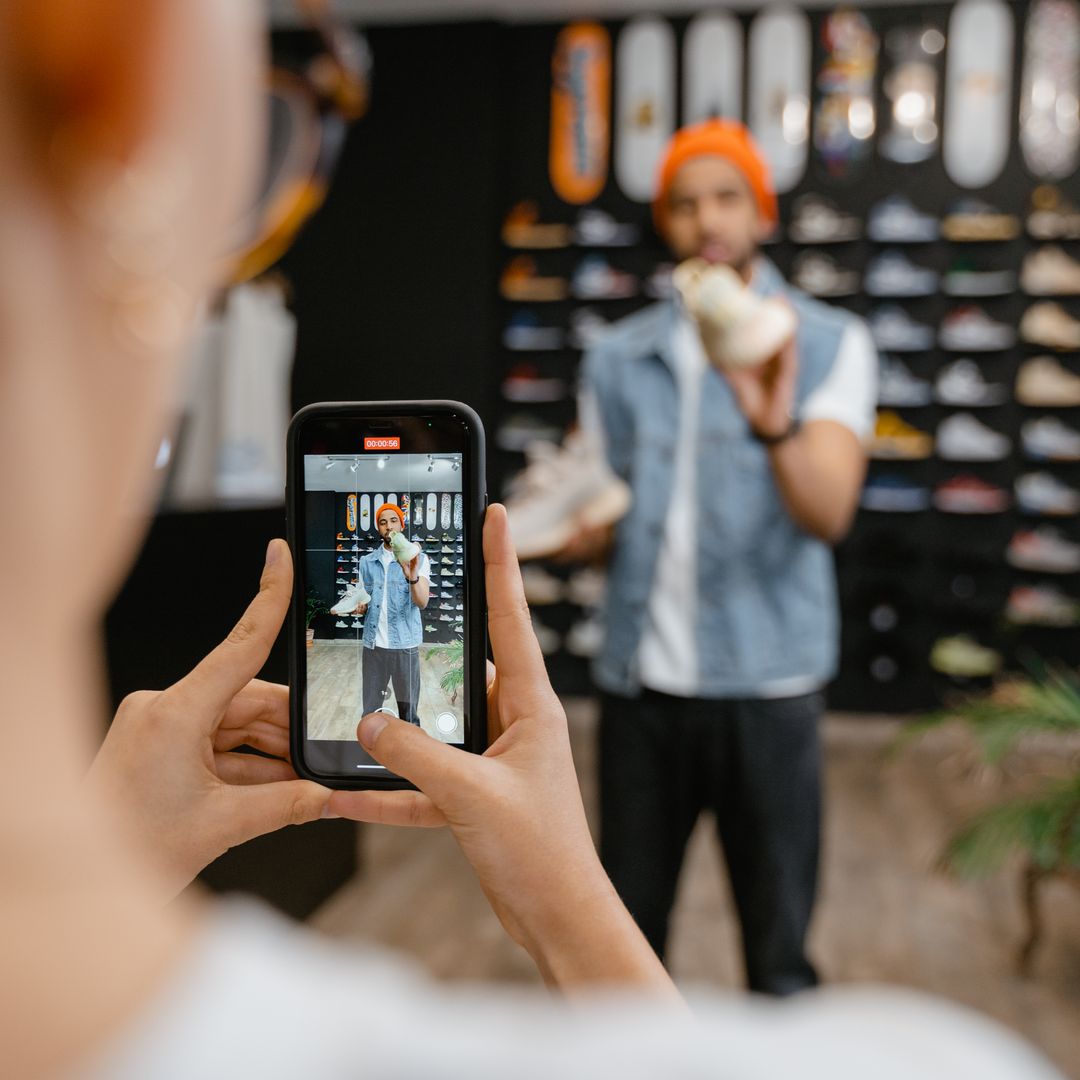
Beginners charge one flat fee and leave half their money on the table. Professionals split the price into two parts: the creation fee and the usage rights fee. This is the single biggest pricing insight in UGC.
Base creation fee: $100 to $300 depending on content type and your experience. Tutorials and how-to videos command 25 to 50% more than simple testimonials because they take longer to script and film.
Usage rights: this is where the real money hides. Organic posting only: no extra charge. Paid ads for 30 days: add 30%. Paid ads for 90 days: add 50%. Perpetual rights: add 100 to 150%. A $175 testimonial video with 90-day paid ad rights becomes $262.50. The same video with perpetual rights becomes $437.50. Brands expect this structure. It is standard.
Put it on a clean one-page rate card PDF. The moment a brand sees an organized rate card instead of a DM saying "my rate is $150," you stop looking like a hobbyist.
From One-Off Videos to Monthly Retainers
One-off videos pay bills. Retainers build careers. A retainer is simple: a brand pays you a flat monthly fee, say $1,500 to $3,000, for a set number of videos each month, usually 8 to 15. You get predictable income. The brand gets a reliable content pipeline without hiring.
Pitch retainers after your second or third successful project with a brand. The script is easy: "We've done three videos together and two of them outperformed your account average. Want to lock in 10 videos a month at a 20% discount off my per-video rate?" Brands say yes because it is cheaper per video and removes their content headache. Two or three retainer clients replace a full-time salary, and you are still filming in your kitchen.
Mistakes That Keep Beginners Broke
Working for free "for exposure." One gifted product video as a portfolio piece is fine. A second one is a habit. Brands that will not pay $75 will never pay $750.
Skipping the contract. Even a one-page email agreement covering deliverables, revisions (include one or two, charge $25 to $50 per extra), usage rights, and payment terms (50% upfront for new clients) prevents nearly every dispute.
Filming everything the same way. Brands hire you for range. Show you can do talking-head reviews, aesthetic B-roll, unboxings, before-and-afters, and day-in-the-life formats. Variety in your portfolio wins briefs.
If you want a broader map of online income paths to stack alongside UGC, our Earning hub covers freelancing, digital products, and more side hustles that pair well with content skills.
Relevant ads will appear here once AdSense is connected.
FAQ
Do I need followers to become a UGC creator?
No. Brands hire you for content quality, not audience size. The video runs on the brand's account and ad campaigns, so your follower count never enters the conversation. A dedicated portfolio account with five strong spec videos matters far more than 10,000 followers.
How much do beginner UGC creators make per video?
Most beginners charge $50 to $150 per short-form video in their first three months, according to 2026 rate data from creator platforms. With 5 to 10 videos a month, that is $250 to $1,500 a month while you build a portfolio and reviews.
What is the difference between gifted, affiliate, and paid UGC?
Gifted means the brand sends free product and expects content with no payment. Affiliate means you earn commission on tracked sales. Paid UGC means the brand pays a flat fee for the content itself, with defined deliverables and usage terms. Paid is the model this guide covers, and it is the most reliable income.
How do I find my first UGC client with no experience?
Apply to briefs on platforms like Billo, Insense, and JoinBrands while doing personalized cold outreach to small brands with a spec video attached. Most creators land their first paid deal within 4 to 8 weeks of consistent effort across both channels.
Should I charge extra for usage rights?
Yes, always. Charge the creation fee plus a licensing fee: roughly +30% for 30-day paid ad usage, +50% for 90 days, and +100 to 150% for perpetual rights. Brands expect this pricing structure, and usage fees are where experienced creators make their real margin.
Can UGC become full-time income?
Yes. Intermediate creators report $2,500 to $5,000 a month, and experienced creators with retainer clients report $5,000 to $12,000+ a month. The path is: platform gigs for proof, cold outreach for better rates, then retainers for stability. Most full-time creators reach that point in 12 to 18 months.
Your First 7 Days as a UGC Creator
Day one: order the tripod. Day two and three: film five spec ads for products you own. Day four: set up your portfolio TikTok and post them. Day five: apply to ten briefs on two platforms. Day six and seven: send twenty personalized cold DMs with a spec video attached. That is a real business launch in one week, for under $100.
The brands are already spending the money. The only question is whether any of it lands in your account. For more ways to turn skills into income, explore our guide to AI automation freelancing or the full Earning & Side Hustles hub.
Relevant ads will appear here once AdSense is connected.