Rental Arbitrage in Atlanta: The 2026 City Rules Deep Dive
Atlanta caps hosts at two units until Dec 31, 2026, then drops the limit on Jan 1, 2027. Here is the $150 license, the real rent math, and the neighborhoods where arbitrage still works.
Rental arbitrage in Atlanta is legal in 2026 if you follow the city license rules and the state tax rules. The market supports it when you run the unit well and pick the right neighborhood. The math only works with strong execution and you should verify every number before you sign a lease.
Key numbers at a glance
- License fee: $150 a year non refundable
- License processing: up to 10 business days
- Current unit limit: primary residence plus one additional unit until December 31 2026
- Two unit limit removed: January 1 2027 under Ordinance 26-O-1510
- Total tax on bookings: roughly 16.9 percent
- Occupancy cap: two adults per bedroom posted inside the unit
- Violation fine: $500 per adjudicated violation
- Three strikes rule: three violations in 12 months revokes licenses for that address
- Airbtics median annual revenue September 2025 to August 2026: $41,000 at 53 percent occupancy
- BNBCalc typical annual revenue 12 months to September 2026: $35,900 at 39 percent occupancy
Last reviewed: November 2026.
Atlanta allows short term rentals with a license that costs $150 a year. You apply through the Department of City Planning online portal and the license number must appear on every listing. The city defines a short term rental as a dwelling rented for 30 consecutive days or less. Stays over 30 days need no license. Until the end of 2026 an owner or long term tenant can license only their primary residence plus one additional unit and the primary residence must be registered first. On January 1 2027 that two unit limit disappears under a council ordinance passed in September 2026 by a 9 to 5 vote. The total tax bite on bookings is about 16.9 percent and Airbnb collects it for you. Occupancy is capped at two adults per bedroom and you must post that limit inside the unit. You also have to name a short term rental agent and tell the city of any agent change within 10 business days. A fully adjudicated violation costs $500 and three violations on one property within 12 months means the city revokes licenses and refuses new applications for that address. The market data from three sources disagree on occupancy and revenue so you need to run your own conservative model before you commit.
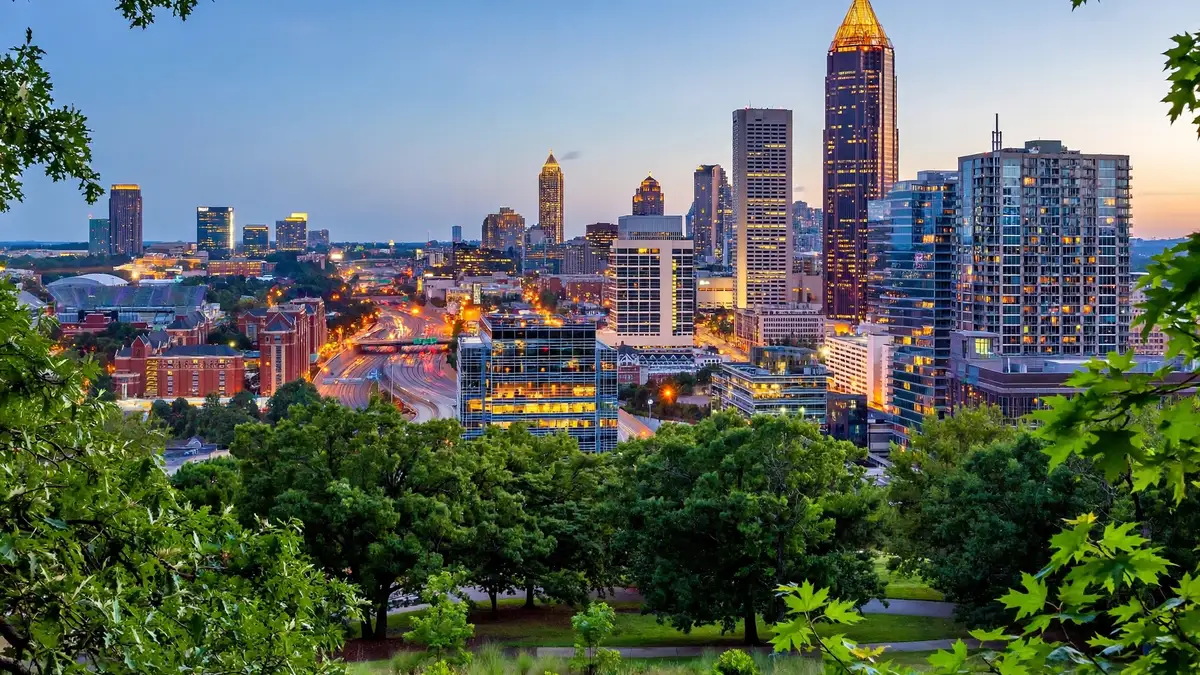
What Atlanta actually allows in 2026
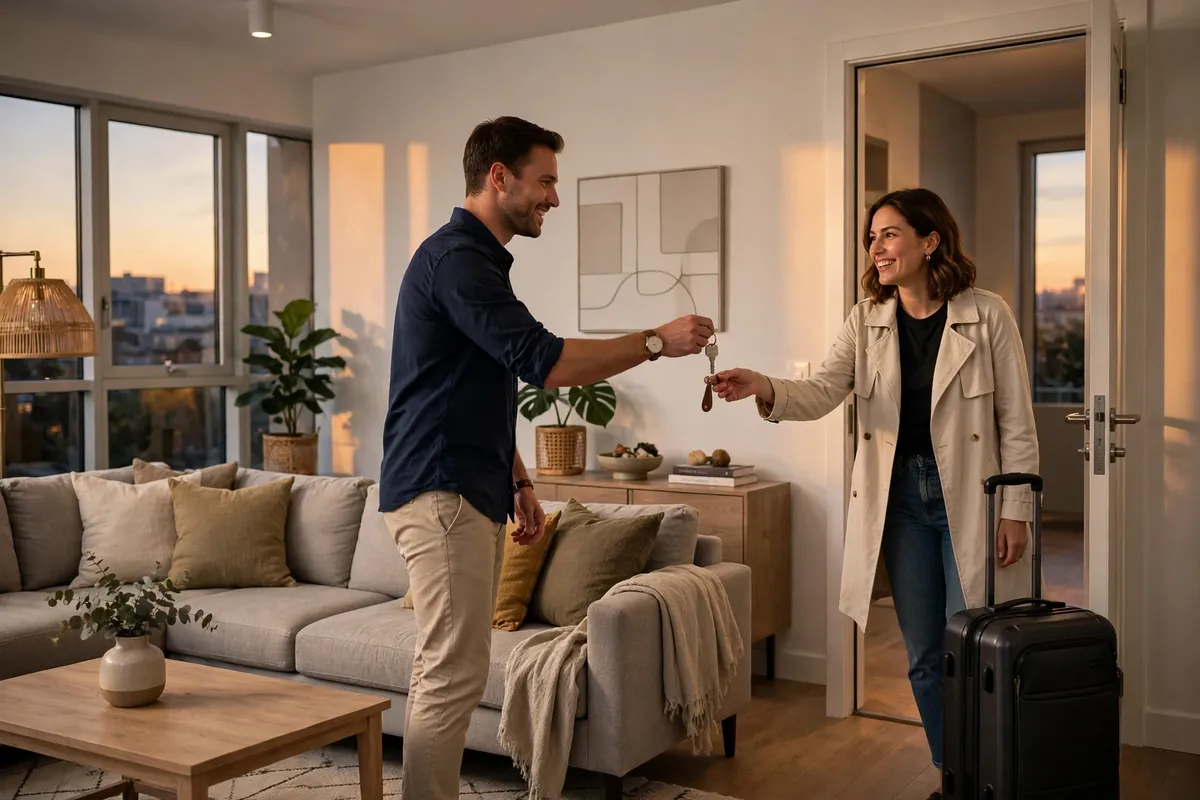
Rental arbitrage is leasing a home long term with the landlord written permission, furnishing it, and renting it by the night for more than the rent plus costs.
Ordinance 20-O-1656 was adopted March 15 2021 and took effect March 1 2022. Enforcement began March 5 2023. The ordinance says a short term rental is a dwelling rented for 30 consecutive days or less. If you rent for 31 days or more you do not need a license and the ordinance does not apply. The license is tied to the address and the host. You must be the owner or a long term tenant with the owner written permission. You can only license your primary residence first. After that you may license one additional unit. That additional unit does not have to be your primary residence but you cannot license a third unit until 2027. The license number must appear on every listing on every platform. If you list on Airbnb and Vrbo both listings must show the same license number. The city checks. The license is valid for 12 months and you renew annually. There is no deadline to apply but the city says allow up to 10 business days for processing. The fee is $150 and it is non refundable. If your application is denied you do not get the money back. Home Park neighborhood has barred new short term rentals since August 2025. Existing licensed rentals in Home Park may continue but no new licenses will be issued there. A 2025 council bill that would have added a $500,000 liability insurance requirement a 1,000 foot buffer between rentals and a $250 fee was held in committee and never passed. That bill is dead but it shows the political direction some council members want to go.
How do you get the license, step by step?
First confirm the property address is not in Home Park or any other neighborhood with a local ban. Second confirm you are the owner or a long term tenant with a lease that allows subletting and written owner consent. Third gather the required documents. You need a government issued ID, proof of primary residence such as a utility bill or voter registration, the lease if you are a tenant, and the owner written consent if you are a tenant. Fourth go to the Department of City Planning online portal and create an account. Fifth fill out the application. You will enter the property address, your primary residence address, the license type (primary or additional), and the short term rental agent name and contact information. Sixth pay the $150 fee by credit card or electronic check. Seventh wait up to 10 business days. The city may request more information. Eighth when approved you receive a license number. Ninth post that license number on every listing immediately. Tenth post the occupancy limit (two adults per bedroom) inside the unit where guests can see it. Eleventh tell the city within 10 business days if your short term rental agent changes. Twelfth renew before the 12 month anniversary. The renewal fee is the same $150. If you miss the renewal the license lapses and you must apply as new.

What changes on January 1, 2027
Ordinance 26-O-1510 was adopted September 21 2026 by a 9 to 5 council vote. It removes the two unit limit effective January 1 2027. Starting that date an owner or long term tenant can license more than one additional unit. The primary residence first rule also goes away. You will be able to license multiple units without designating one as primary. The license fee stays $150 per unit per year. The occupancy cap stays two adults per bedroom. The agent notification rule stays. The three strikes revocation rule stays. The Home Park ban stays unless the council acts separately. The tax rate stays unless the state legislature changes it. The practical effect is that a host who has been capped at two units can scale to three four or more units in 2027. A host who has been waiting to start because they do not have a primary residence in Atlanta can start without that requirement. The market will likely see more supply. That could pressure occupancy and nightly rates. It also means more competition for leases that allow subletting. If you are planning to start in late 2026 you should model both the current two unit world and the post January 2027 world. general rental arbitrage guide covers how to model regulatory risk in other cities.

What does the real rent math look like, three ways?
Let me walk through three scenarios using the verified data sources. All numbers are from the named sources and I am not inventing anything.
Scenario one: nightly Airbnb or Vrbo. Airbtics data for September 2025 to August 2026 shows a median Atlanta listing earned $41,000 a year at 53 percent occupancy with a $202 average nightly rate across 5,493 active listings. BNBCalc data for the 12 months to September 2026 shows a typical listing earned $35,900 a year at 39 percent occupancy with a $222 average daily rate and $77 RevPAR across 14,875 active Airbnb and Vrbo listings. The two sources disagree on occupancy by 14 percentage points. That gap changes everything. 10XBNB says a well run two bedroom in Midtown or Old Fourth Ward grosses $4,500 to $6,800 a month against $1,600 to $2,200 rent. A one bedroom grosses $3,200 to $4,800 a month. Those are gross numbers before platform fees, taxes, utilities, cleaning, supplies, insurance, and vacancy. Minty Living worked the same home three ways. On a 12 month lease at $2,300 a month, the owner nets about $23,300 a year. Listed nightly at $200 a night and 55 percent occupancy, the same home grosses the most but nets only about $15,200 a year, after Airbnb takes its 15.5 percent host only fee, Vrbo moves to a 12 percent host fee from October 29 2026, and the owner pays utilities, cleaning, and furnishing wear. The nightly model only wins with strong execution and low vacancy.
Scenario two: mid term furnished rentals. Minty Living tested a furnished monthly rental at $4,200 a month with 85 percent occupancy. That roughly tied the plain lease net. mid-term rental strategy guide explains how to target traveling nurses, corporate relocations, and film crew. Atlanta film and TV production is worth $4.4 billion a year and brings steady mid term demand. Hartsfield Jackson airport handled 93.7 million travelers in 2023. college town rental guide covers student and parent demand near Georgia Tech and Emory.
Scenario three: plain long term lease. No license needed. No platform fees. No cleaning turnover. No furnishing cost. No vacancy risk beyond normal turnover. The net is the rent minus your mortgage or master lease cost. In that example the plain lease beat the nightly model by $8,100 a year. That is the benchmark you have to beat.
| Rental model | How it works | Annual net, same home | Biggest cost |
|---|---|---|---|
| Nightly short term rental | $200 a night at 55 percent occupancy | About $15,200 | Platform fees, cleaning, utilities, vacancy |
| Mid term furnished rental | $4,200 a month at 85 percent occupancy | About $23,300, roughly tied with the plain lease | Furnishing, turnover gaps |
| Plain long term lease | $2,300 a month on a 12 month lease | About $23,300 | None beyond rent and mortgage |
Two sources track the same market and disagree. Airbtics puts the median Atlanta listing at $41,000 a year on 53 percent occupancy, while BNBCalc puts a typical listing at $35,900 a year on 39 percent occupancy. Underwrite the lower number and treat anything above it as upside.

Which neighborhoods still work
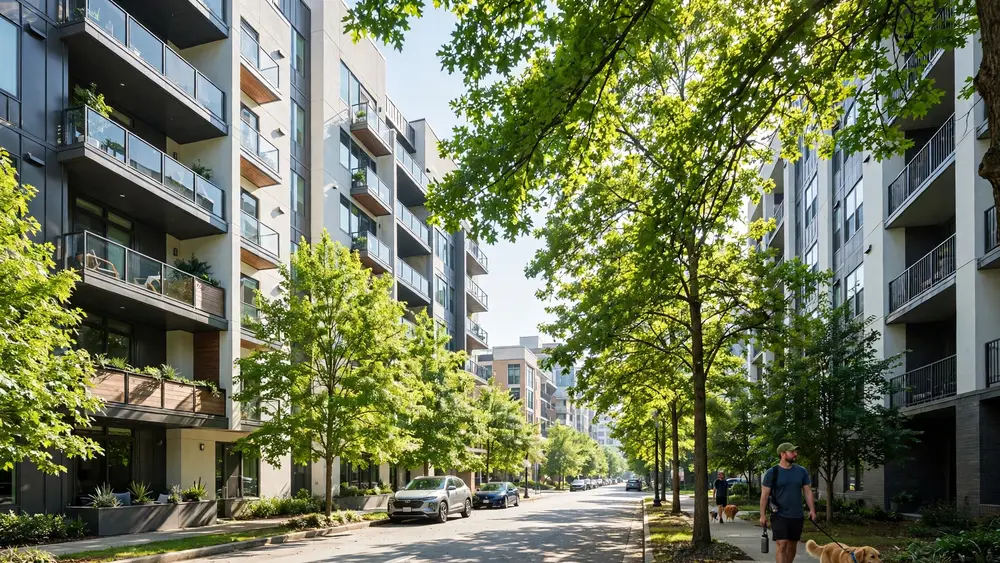
Midtown and Old Fourth Ward appear in the 10XBNB data as areas where a well run two bedroom can gross $4,500 to $6,800 a month. Those neighborhoods have walkable dining, nightlife, and transit access. They also have higher rents so your lease cost is higher. Buckhead has corporate demand and hotel alternative demand but rents are the highest in the city. West Midtown and Atlantic Station pull film crew and corporate stays. Summerhill and Grant Park near the stadium pull event weekend demand. Inman Park and Virginia Highland pull festival and weekend demand. East Atlanta Village pulls a younger crowd and music event demand. Home Park is closed to new licenses. Mechanicsville and Pittsburgh are seeing investment but short term rental demand is unproven. Check the current ordinance text and talk to the city before you sign a lease in any neighborhood. first rental property guide covers how to evaluate a neighborhood for investment.
How to pitch a landlord in Atlanta
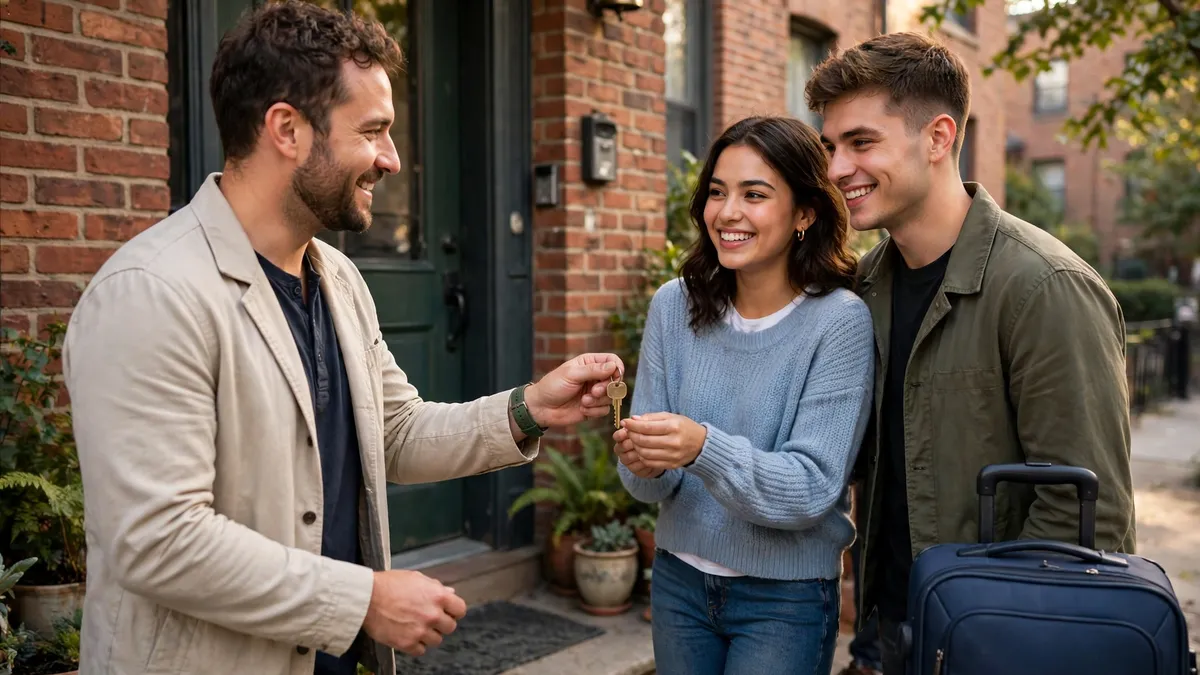
Most landlords have never heard of rental arbitrage. They hear sublet and they think risk. You need a one page pitch that addresses their fears. Lead with the license. Show them the city portal and the $150 fee. Explain that the city vets the host and the property. Offer to name them as the short term rental agent so they get the city notices directly. Offer a lease addendum that gives them the right to inspect with 24 hours notice, requires you to maintain the occupancy limit posting, requires you to carry short term rental insurance, and lets them terminate if you get a city violation. short-term rental insurance deep dive explains what policy to buy. Offer a rent premium of 10 to 15 percent over market. That covers their risk and still leaves you margin if you execute well. Provide references from other landlords you have worked with in Atlanta. If you have no references, offer a three month trial with a mutual walk away clause. Show them your projected calendar with conservative occupancy. Do not show them the optimistic Airbtics median. Show them the BNBCalc 39 percent occupancy scenario. Be honest that the nightly model only wins with strong execution. Landlords respect honesty more than hype.

How do you furnish and run the unit?
Furnish for the guest avatar in your neighborhood. Midtown and Old Fourth Ward get business travelers and couples. They want a real desk, fast wifi, a good mattress, blackout curtains, and a keyless entry lock. Film crew in West Midtown want a washer dryer, a full kitchen, and parking. Families near the stadium want two bathrooms and a pack n play. Furnishing is the biggest upfront cost, so price the full furniture list before you sign the lease. Buy commercial grade furniture that survives turnover. Hire a local photographer. Write your own description. Do not copy competitors. Set up automated messaging for check in, checkout, and mid stay check in. Use a pricing tool that adjusts for events, holidays, and demand spikes. Atlanta has 57.4 million visitors a year spending $20.4 billion. The calendar has DragonCon, the SEC Championship, the Peach Bowl, and film production schedules. Build those into your pricing. Clean between every stay. Use a checklist. Restock consumables. Respond to messages within 15 minutes during business hours. short-term rental insurance deep dive covers the policy you need for guest damage and liability.
What are the risks nobody posts about?
The city can revoke your license for three adjudicated violations in 12 months. A violation is $500 each. Noise complaints, trash complaints, parking complaints, and occupancy overages all count. Neighbors call the city. You lose the license and the address is barred from new applications. Your lease may not allow subletting even if the landlord verbally agreed. Get it in writing. The landlord can sell the building. The new owner can refuse to renew your lease. You lose your furnishings investment if you have to move fast. Platform algorithm changes can cut your visibility overnight. Airbnb and Vrbo fees can increase. Vrbo moves to 12 percent host fee from October 29 2026. Insurance claims can raise your premium or get you dropped. A guest can damage the unit beyond the security deposit. The city can pass a new ordinance with higher fees, insurance requirements, or buffers. The 2025 bill that died shows the appetite. Home Park ban shows neighborhoods can opt out. You are running a hospitality business, not a passive investment. Self-managing takes real hours every week, and hiring a manager takes a meaningful share of revenue, so price that in before you sign. Check the current ordinance text and talk to the city before you sign a lease.
What is your 30 day launch checklist?
Day 1 to 3: Identify three target neighborhoods. Pull current rents on Zillow and Apartments.com. Filter for landlords who allow sublets or corporate housing. Day 4 to 7: Contact 10 landlords with your one page pitch. Schedule walkthroughs. Day 8 to 10: Apply for the short term rental license on the city portal for your primary residence if you have one in Atlanta. Day 11 to 14: Sign lease with sublet addendum. Get landlord written consent. Day 15 to 18: Order furnishings. Schedule delivery for move in day. Day 19 to 21: Set up utilities in your name. Install keyless entry lock. Install security cameras at exterior only. Day 22 to 24: Hire photographer. Shoot listing photos. Write listing copy. Day 25 to 26: Create Airbnb and Vrbo accounts. Enter license number on both. Set up pricing tool. Day 27: Buy short term rental insurance. Day 28: Post occupancy limit sign inside unit. Day 29: Notify city of your short term rental agent. Day 30: Go live. Monitor messages and calendar. Adjust pricing after first two weeks. general rental arbitrage guide has a more detailed 60 day version for other markets.
The bottom line
Atlanta rental arbitrage works in 2026, but only inside the license rules and only with conservative math. The $150 license, the two-unit cap until Dec 31, 2026, and the 16.9 percent tax bite are fixed costs. The Jan 1, 2027 rule change opens the door to more units, and more competition with it. Underwrite the BNBCalc numbers, not the optimistic ones, and check the current ordinance text with the city before you sign a lease.
Underwrite the lower number, not the average of the two. Airbtics puts the median Atlanta listing at $41,000 a year on 53 percent occupancy while BNBCalc puts a typical listing at $35,900 on 39 percent, a 14 point gap. If the deal only works on the optimistic source, it does not work. The BNBCalc case is the one to sign a lease against.
The January 1, 2027 unlock cuts both ways. The two-unit cap disappears, so a host capped at two units can scale to three or four, but so can every competitor in Midtown and Old Fourth Ward. Home Park has barred new short term rentals since August 2025, and the 2025 bill that would have added a $500,000 insurance requirement and a $250 fee died in committee, not in a vote. Lock lease terms and landlord permission now, while the rules are the ones in this guide.
Frequently asked questions
Is rental arbitrage legal in Atlanta in 2026?
Yes rental arbitrage is legal in Atlanta in 2026 if you obtain the short term rental license from the Department of City Planning, follow the occupancy limits, pay the hotel motel and sales taxes, and comply with the two unit limit until December 31 2026.
How much does an Atlanta short term rental license cost?
The license costs $150 a year non refundable. It is valid for 12 months and you renew annually for the same fee.
What happens to the two-unit limit in 2027?
Ordinance 26-O-1510 removes the two unit limit effective January 1 2027. Starting that date you can license more than one additional unit and the primary residence first requirement goes away.
How much can you earn from rental arbitrage in Atlanta?
Data sources disagree. Airbtics shows a median of $41,000 a year at 53 percent occupancy. BNBCalc shows a typical $35,900 a year at 39 percent occupancy. 10XBNB says a well run two bedroom in Midtown or Old Fourth Ward grosses $4,500 to $6,800 a month against $1,600 to $2,200 rent. Net profit depends on lease cost, platform fees, taxes, utilities, cleaning, insurance, and vacancy. The nightly model only beats a plain lease with strong execution.
Which Atlanta neighborhoods work best for arbitrage?
Midtown, Old Fourth Ward, Buckhead, West Midtown, Atlantic Station, Summerhill, Grant Park, Inman Park, Virginia Highland, and East Atlanta Village show demand. Home Park is closed to new licenses. Verify current rules with the city before you sign a lease.
Want more practical guides like this?
Browse all 112 guides across 10 categories, no fluff, no paywall.
Browse all guides →Explore Real Estate guides