
Home Insurance Rates 2026: Why Your Premium Jumped and How to Cut It
Home insurance rates 2026 keep climbing, and the average US homeowner now pays close to $3,000 a year for home insurance. Here is what is driving the rise, what your state pays, and the nine moves that actually lower a premium.
Yes, home insurance rates are still rising in 2026. The national average premium reached $2,948 a year at the end of 2025 after a 12 percent jump, and Insurify projects it will hit about $3,057 by the end of 2026. That is the fifth straight year of increases, and premiums are up 46 percent since 2021.
Key numbers at a glance
- National average premium, end of 2025:$2,948 a year
- Projected national average, end of 2026:$3,057 a year
- Premium rise in 2025 alone:12 percent
- Premium rise since 2021:46 percent, vs 16 percent general inflation
- Most expensive state, Florida:$8,292 a year
- Cheapest state, Vermont:$1,087 a year
- California projected rise in 2026:15.8 percent, to $2,843
- Georgia average premium:$2,896 a year, up 9 percent in 2025
- California FAIR Plan policies in force, Sept 30 2026:698,307
- FAIR Plan dwelling rate rise, Oct 15 2026:29.1 percent on average
- Building material costs since 2019:up 42 percent
- States where premiums rose in 2025:45 states plus Washington, DC
- Texas bill filed Nov 9 2026, HB 226:prior approval for home and auto rate changes over 5 percent
- Average monthly premium, $300,000 dwelling cover:$231
- Rebuild cost example:$18,000 five years ago, $26,000 today for the same claim
- Georgia outlook:another 10 percent rise projected, to about $3,167 by the end of 2026
Last reviewed: November 2026.
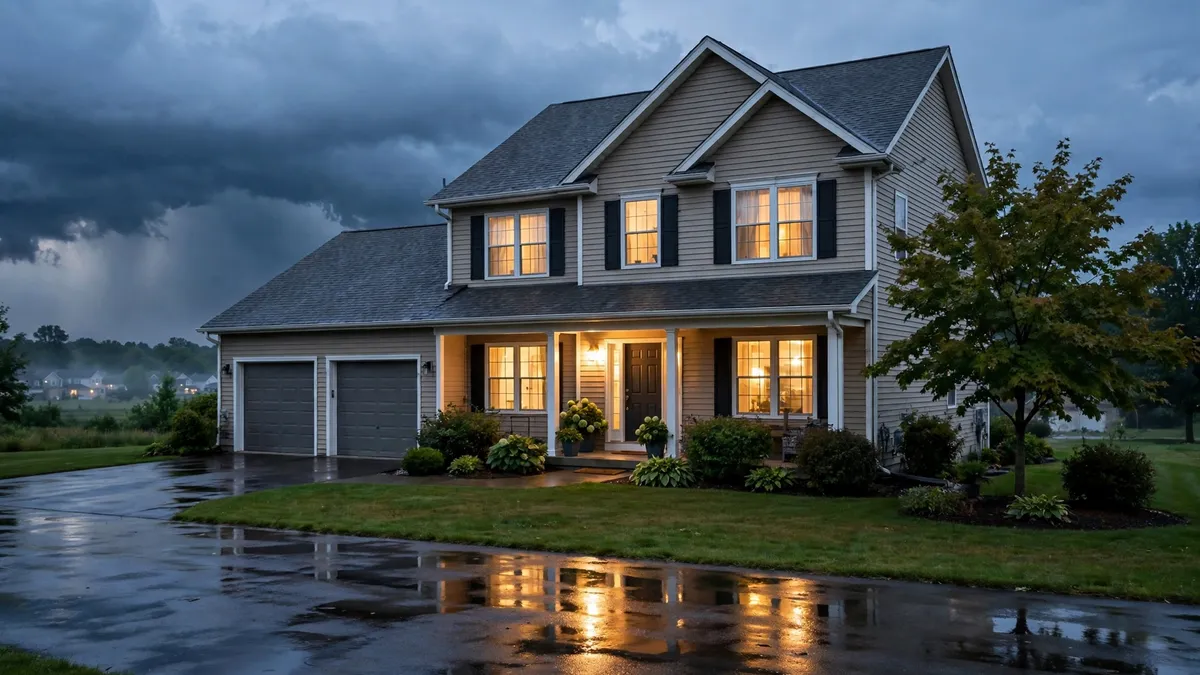
Open the renewal letter and the number jumps off the page. Same house, same policy, and the premium is up 200 or 300 dollars from last year. You did not file a claim. You did not move. Nothing about your house changed, and yet the bill did.
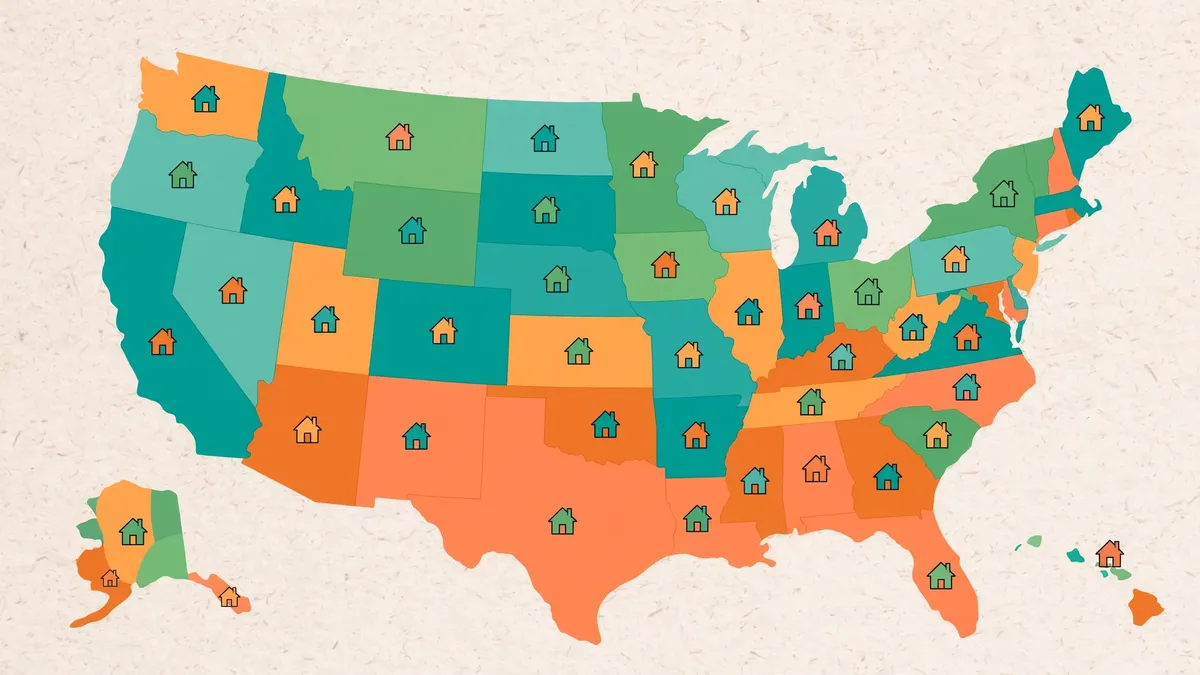
You are not the only one. Home insurance premiums have risen for five straight years, and 2025 was the worst single year of the run, with a 12 percent national jump. The average homeowner now pays about $2,948 a year, and the projection for the end of 2026 is $3,057. In Florida the average is $8,292. In Vermont it is $1,087. Your ZIP code, your roof, and your insurer matter more than ever.
This home insurance rates 2026 guide lays out what the average homeowner pays, why the bill keeps rising, what your policy really covers, and the nine moves that cut a premium without gutting your coverage. It is written for a US homeowner who wants a straight answer and a lower bill, not a sales pitch.
Why home insurance rates jumped in 2026
Your premium went up because the cost of fixing your house went up, and the weather got worse at the same time. Insurers pay out more than they used to on every claim, so they charge more to stay in business. That is the whole story in one sentence. The details sit underneath it.
Start with rebuilding costs. Building materials cost 42 percent more than they did in 2019. Lumber, roofing, drywall, copper wire, and labor all cost more, and a claim that cost $18,000 to fix five years ago can cost $26,000 today. Your dwelling coverage limit rises with those costs, and your premium rises with it. An insurer that underprices a policy today loses money on the claim tomorrow, so it prices for the rebuild cost it expects, not the one from 2019.
Then add the weather. Severe storms, wildfires, and hurricanes hit more homes, more often, and in more places than they used to. A US Treasury analysis of more than 243 million home policies, released in January 2025, found that communities hit by severe weather on a regular basis pay far more than places that are not. Insurers now price that risk house by house, sometimes street by street, using catastrophe models that look forward instead of backward. A home that never flooded can still see a higher premium if the model says the risk is rising.
The third piece is reinsurance, the insurance that insurers buy for themselves. When a hurricane season costs the industry tens of billions, reinsurers raise their prices, and your insurer passes that cost down to you. You never see the reinsurance bill, but it sits inside your premium.
The fourth piece is regulation catching up. In California, the Department of Insurance approved a 29.1 percent average rise in California FAIR Plan dwelling rates starting October 15, 2026, after the plan asked for about 36 percent. The FAIR Plan had 698,307 policies in force on September 30, 2026, up 8 percent in a year and 157 percent since 2022. When the insurer of last resort grows that fast, it means regular carriers have pulled back, and the market is under real strain.
None of this is your fault, and none of it is a scam. It is a market repricing risk after years of underpricing it. That does not make the bill easier to pay, but it does tell you where the savings are. You cannot change the weather, but you can change your deductible, your discounts, and your insurer.

What the average homeowner pays now
The honest answer is that there is no single average, because the number changes with the method. Ask five sources and you get five answers, roughly $2,500 to $3,100 a year. Here is how the main ones line up, so you can see where your bill sits.
Insurify, which analyzes quotes from more than 180 insurers, puts the national average at $2,948 a year at the end of 2025 and projects $3,057 by the end of 2026. NerdWallet reports $2,490 a year for $400,000 of dwelling coverage. Insurance.com reports $2,872 for $300,000 of dwelling coverage. Insurify's monthly quote data from November 1, 2026 shows $2,772 for $300,000 of dwelling coverage, or about $231 a month. The spread comes from different coverage amounts, deductibles, and home ages, not from anyone being wrong.
The state you live in matters more than any national number. Florida leads by a wide margin at $8,292 a year on the Insurify end-of-2025 figures, nearly three times the national average. Vermont is cheapest at $1,087. Georgia sits at $2,896 after a 9 percent rise in 2025, with another 10 percent projected by the end of 2026, taking it to about $3,167. In Chatham County, on the Georgia coast, the average is $4,047.
California is the state to watch this year. Insurify projects the fastest growth there, up 15.8 percent to $2,843 by year end, after the Los Angeles wildfires. Nebraska is projected up 13.2 percent to $4,560, and New Mexico up 10.8 percent to $2,524. Premiums rose in 45 states and Washington, DC in 2025, and held flat or fell in only five.
Your own bill depends on five things more than anything else: your state and ZIP code, your roof age and material, your dwelling coverage limit, your deductible, and your claims history. A new roof in Ohio can cost less to insure than an old roof in Florida by a factor of three. Two houses on the same street can pay very different premiums if one has a 25-year-old roof and the other just replaced theirs.
The 4 forces pushing rates up
Four forces are doing most of the damage, and they are all still active in late 2026.
1. Severe weather is hitting more homes. Hurricanes, wildfires, hail, and floods cost insurers more every year, and the losses are spreading beyond the coasts. Georgia is a good example. Hurricane Helene forced Georgia insurers to pay out more in claims than they took in as premiums, and rates rose 9 percent in 2025 with another 10 percent projected for 2026. The six most expensive counties in Georgia for home insurance are all on or near the coast. The pattern repeats in the Midwest, where hail and tornado losses have pushed Nebraska toward a 13.2 percent rise this year.
2. Rebuilding costs stay high. Materials are up 42 percent since 2019, and skilled labor is scarce in the places that need it most. After a big storm, every contractor in the area is booked, and prices rise further. Insurers call this loss severity, and it is the reason a $1,000 deductible that felt fine five years ago now leaves you paying more out of pocket on every claim.
3. Carriers are pulling back from risky areas. In California, the FAIR Plan grew to 698,307 policies by September 2026 because regular carriers stopped writing new policies in wildfire areas. The state's Sustainable Insurance Strategy now lets insurers use forward-looking wildfire models in their rates, but only if they commit to writing more policies in distressed areas. As of September 2026, 12 insurance groups had filed or been approved to grow under the plan, including Farmers, Mercury, CSAA, USAA, Liberty Mutual, and Travelers. State Farm filed to resume new homeowners applications for homes that meet wildfire standards, and Allstate filed too. Neither was open for new business yet when they filed. When carriers pull back, the remaining ones can charge more, and the FAIR Plan becomes the only option for many homeowners.
4. Politics is starting to push back. In Texas, House Bill 226 was filed on November 9, 2026. It would require the insurance commissioner to approve home and auto rate changes of more than 5 percent before they take effect. Today, Texas insurers file rates and can use them right away. The bill would apply to rates filed on or after January 1, 2028, with a 90-day decision clock. A separate bill, Senate Bill 258, would let the commissioner weigh affordability when reviewing individual health plan rates. Both bills would take effect September 1, 2027 if passed. Rate caps sound good to homeowners, but they can also push carriers out of a state if the approved rate does not cover the risk. Texas is worth watching because it is a big market, and what happens there often spreads.
None of these four forces is going away in 2027. The useful question is not when rates fall, but how much of the rise you can avoid with your own choices. That is where the rest of this guide comes in.
What your policy actually covers
Most US homeowners have an HO-3 policy, the standard form. It covers your dwelling, other structures like a detached garage, your personal property, loss of use if you cannot live in the house, personal liability, and medical payments to others. The details are where people get surprised.
Dwelling coverage pays to rebuild the house itself. The limit should match what it would cost to rebuild today, not what you paid for the house or what it would sell for. Land does not burn down, so the rebuild cost is usually lower than the market value. If your limit is too low, you pay the difference. If it is too high, you pay a premium for coverage you cannot collect.
Personal property covers your stuff, usually at 50 to 70 percent of the dwelling limit. The catch is that most policies pay actual cash value by default, which means replacement cost minus depreciation. A five-year-old couch is worth a fraction of a new one. Replacement cost coverage costs more, but it pays what a new couch costs. Check which one your policy has, because the difference shows up on claim day, not on the quote.
Loss of use pays for a hotel and meals if a covered event makes your home unlivable. Liability covers you if someone is hurt on your property or you damage someone else's property. Medical payments cover small injuries to guests, usually $1,000 to $5,000, without a lawsuit.
Two things are almost never covered by a standard policy: flood and earthquake. Flood needs a separate policy, usually through the National Flood Insurance Program or a private carrier. Earthquake needs a separate endorsement or policy. If you live near water or on a fault line, ask about both before you need them. Our renters insurance guide covers the same coverage questions for people who rent, and the gaps are similar.

The gaps that cost people thousands
The most expensive words in a home insurance policy are the exclusions. Here are the five gaps that catch homeowners off guard.
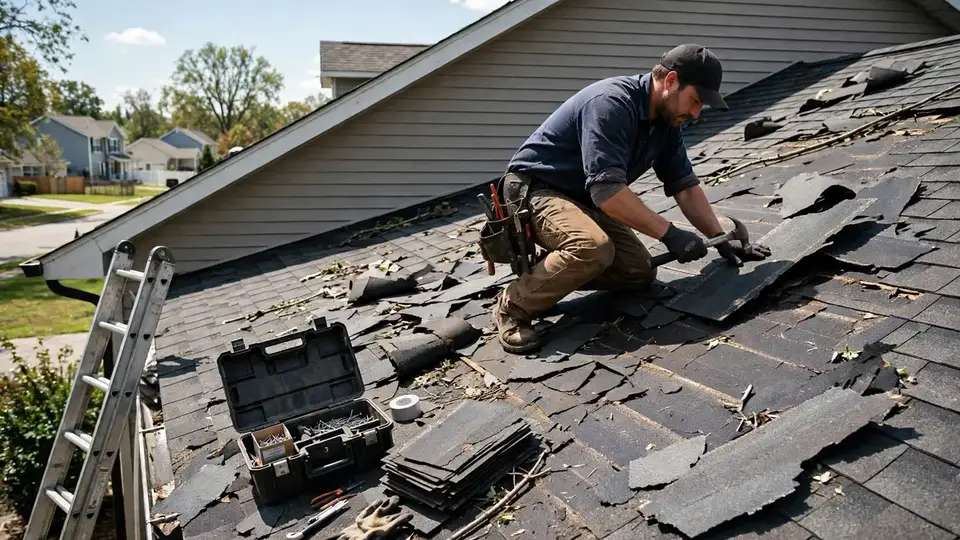
Roof age and actual cash value roofs. Many insurers now pay actual cash value, not replacement cost, on roofs older than 10 to 15 years. A 20-year-old roof that costs $18,000 to replace might be valued at $6,000 after depreciation. Some insurers will not write a policy at all on a roof over 20 years old. A new roof is the single best premium move for an older home, and it often pays for itself in lower premiums within a few years.
Flood damage that is not a flood. Water from a burst pipe is usually covered. Water rising from outside, from a storm or a river, is flood, and it is excluded. Sewer backup is a separate endorsement. After a big storm, the argument over where the water came from decides whether the claim is paid. If you live anywhere near a flood zone, get the flood quote. It is often cheaper than people expect, and the alternative is paying for a rebuild out of pocket.
High-value items with low sublimits. Jewelry, watches, art, and collectibles often have sublimits of $1,000 to $2,500 per item, and $2,500 to $5,000 total. A $6,000 engagement ring is not fully covered unless you schedule it separately with an appraisal. The same applies to guns, silverware, and expensive electronics in some policies. A scheduled item costs a small extra premium and removes the sublimit entirely.
Home business equipment. A standard policy covers a small amount of business property at home, often $2,500, and almost nothing off premises. If you run a business from home with $10,000 of equipment, that gap is real. A home business endorsement or a separate business policy closes it. If you rent out a room or a whole property, you need landlord coverage, not a standard homeowner policy. Our landlord umbrella insurance guide covers the liability side of that decision.
Ordinance or law coverage. If your town requires a damaged home to be rebuilt to current building codes, the extra cost is not covered unless you have ordinance or law coverage. A 1970s house rebuilt to 2026 code can cost 20 percent more than a like-for-like rebuild. The endorsement is cheap, and it is one of the most common reasons a claim falls short.
9 ways to lower your home insurance rates
These are the moves that actually move the number. They are ranked by how much they tend to save, not by how easy they are.
1. Raise your deductible. Moving from a $500 deductible to a $1,000 deductible can cut your premium by 10 to 15 percent. Going to $2,500 can cut it further. Only do this if you can pay the deductible from savings without stress. A deductible you cannot afford is not a saving, it is a trap.
2. Bundle home and auto. Most carriers give 10 to 20 percent off each policy when you bundle. The discount is real, but it is not always the cheapest total. Get a bundled quote and two separate quotes, then compare the totals.
3. Replace an old roof. A new roof can cut a premium by 10 to 20 percent in storm states, and it can be the difference between getting a policy and getting declined. If your roof is over 15 years old, get a quote for replacement and a quote for insurance with the new roof, then compare the numbers over five years.
4. Ask about every discount. Monitored smoke alarms, burglar alarms, a sprinkler system, storm shutters, impact-resistant roofing, a new electrical panel, and a claims-free history can each earn a discount. Many are 5 to 10 percent. Ask your agent to run through the full discount list, because discounts are often not applied automatically.
5. Fix your credit-based insurance score. In most states, insurers use a credit-based score to set premiums, and a poor score can cost hundreds a year. Paying bills on time and lowering card balances can move the score over 12 to 18 months. A few states ban the practice, including California, Massachusetts, and Hawaii, so check your state rules.
6. Review your dwelling limit every year. If your limit is set too high, you are paying for coverage you cannot use. If it is too low, you are underinsured. Ask your insurer for a rebuild cost estimate each renewal, and adjust the limit to match. Do not let the limit drift upward on autopilot.
7. Drop coverage you do not need. A scheduled item you sold, a rider for a hobby you quit, or an endorsement for a home business you closed can sit on a policy for years. Read the declarations page once a year and cut what no longer applies.
8. Shop every renewal, not every five years. Rates change, discounts change, and carriers change their appetite for your area. Get three quotes at every renewal. A carrier that wanted your business last year may not want it this year, and the one that declined you may have changed its mind.
9. Pay annually if you can. Monthly billing often adds installment fees of $5 to $10 a month. Paying the full premium once a year can save $60 to $120, and some carriers give a small paid-in-full discount on top.

How to shop for a new policy
Shopping for home insurance is a comparison exercise, and most people compare the wrong number. The premium is only one of three numbers that matter. The other two are the deductible and the coverage limit. A policy that costs $200 less a year but has a $5,000 deductible instead of $1,000 is not cheaper. It is a $4,000 gamble.
Start with three quotes: your current carrier, one large national carrier, and one independent agent who can quote several smaller carriers. Give each one the same information, the same dwelling limit, the same deductible, and the same endorsements. If the quotes use different limits, they are not comparable, and the cheapest one is usually the one with the least coverage.
Ask each carrier the same five questions. Is the roof covered at replacement cost or actual cash value? What is the wind and hail deductible, and is it a flat dollar amount or a percentage of the dwelling limit? A 2 percent wind deductible on a $400,000 home is $8,000, and many homeowners do not know that until a storm hits. Is flood excluded, and what does a flood policy cost? What discounts am I missing? And what happens to my rate if I file a claim?
Check the carrier before you buy. Look up its financial strength rating and its complaint ratio with your state insurance department. A cheap policy from a carrier that fights claims is not a bargain. The state department of insurance publishes complaint data for free, and it takes five minutes to check.
Do not cancel your old policy until the new one is in force. Overlap by a day or two if you have to. A gap in coverage, even a short one, can raise your next premium and leave you exposed. Once the new policy is active, cancel the old one in writing and ask for a refund of the unused premium.

What to do if your insurer drops you
A non-renewal letter is not the same as a cancellation, but it feels the same. Your insurer is telling you it will not renew the policy when it ends. In most states it has to give you 30 to 60 days of notice and a reason. The most common reasons are roof age, claims history, and the insurer pulling back from your area.
Do not panic, and do not let the policy lapse. Start shopping the same week the letter arrives. An independent agent is worth more here than anywhere else, because they can place you with carriers that still write policies in your area. Ask about your state's FAIR Plan or assigned risk pool as a fallback, but treat it as a last resort, not a first choice. FAIR Plan coverage is thinner and, as the California numbers show, the price is rising fast.
Fix what you can fix. If the reason is roof age, a new roof changes the answer. If the reason is claims, a claims-free year changes it. If the reason is the area, there is nothing to fix, and the answer is a different carrier. Keep the letter and the reason in writing, because the next carrier will ask why you are shopping.
If you believe the non-renewal is wrong, call your state insurance department. They can tell you whether the carrier followed the rules, and in some states they can help you find coverage. The call is free, and the department exists for exactly this situation.
Filing a claim without regret
Not every loss is worth a claim. A $1,200 repair with a $1,000 deductible pays you $200 and puts a claim on your record. That claim can raise your premium for three to five years, and two claims in three years can get you non-renewed. As a rule, pay small losses yourself and save claims for losses that are at least three times your deductible.
When you do file, document everything before you clean up. Take photos and video of the damage, keep the broken items until the adjuster has seen them, and save every receipt for emergency repairs. A tarp on a leaking roof is a reasonable emergency repair, and the insurer should pay for it. A full repair before the adjuster visits is a problem, because there is nothing left to inspect.
Read the settlement carefully. The first offer is often based on actual cash value, with the rest held back until you show proof of repair. That is normal for replacement cost policies. If the offer is too low, get two contractor estimates and send them to the adjuster. If the gap is large, a public adjuster can help, but they take 10 percent of the settlement, so use one only for big claims.
Keep a claim diary. Write down every call, every name, every date, and every promise. If a dispute goes to your state insurance department, the diary is your evidence. Most disputes are settled by the department's mediation process without a lawyer.

Home insurance is one of the few bills where doing nothing costs the most. The premium will not fall on its own, and the forces pushing it up are still active. But the nine moves in this guide are all within your control, and together they can cut a bill by 20 to 30 percent without cutting coverage that matters. Start with the deductible and the discounts, then shop the renewal. If you rent out a property as well, our short-term rental insurance guide covers the policy that actually applies there, and our year-end money moves guide has the December deadlines that share the same renewal window.
The bottom line
The national average hides the real story: Florida pays $8,292 a year and Vermont pays $1,087 for the same kind of cover. Your roof age, claims history, and ZIP code decide how much of the national rise lands on your bill. The realistic goal is to cut your own bill with a higher deductible, discounts, and shopping, not to wait for the market to fall, because none of the four main drivers is easing.
Frequently asked questions
How much is home insurance in 2026?
The national average is about $2,948 a year at the end of 2025, projected to reach about $3,057 by the end of 2026, according to Insurify. For $300,000 of dwelling coverage, the average is about $2,772 a year, or $231 a month. Florida is the most expensive state at $8,292 a year, and Vermont is the cheapest at $1,087.
Why did my home insurance go up so much?
Three things drive most increases: rebuild costs, which are up 42 percent since 2019; severe weather losses, which cost insurers more every year; and reinsurance costs, which insurers pass down to you. Your roof age, claims history, and ZIP code decide how much of the national rise lands on your bill.
Will home insurance rates go down in 2027?
Probably not by much. Insurify projects a further 4 percent rise in 2026, the fifth straight annual increase, and none of the four main drivers, weather, rebuild costs, carrier pullbacks, or reinsurance, is easing. The realistic goal is to cut your own bill with a higher deductible, discounts, and shopping, not to wait for the market to fall.
Does home insurance cover flood damage?
No, a standard HO-3 policy excludes flood. Water rising from outside, from a storm, a river, or a storm surge, needs a separate flood policy through the National Flood Insurance Program or a private carrier. Water from a burst pipe inside the house is usually covered, which is why the source of the water matters so much after a storm.
What is the best deductible for home insurance?
For most homeowners, $1,000 to $2,500 is the sweet spot. A $1,000 deductible instead of $500 can cut your premium by 10 to 15 percent. Go higher only if you can pay the full deductible from savings without stress, and never file small claims, since a claim can raise your premium for three to five years.
Want more practical guides like this?
Browse all 122 guides across 10 categories, no fluff, no paywall.
Browse all guides →Explore Insurance guides